Counting the waves…
Counting the waves…

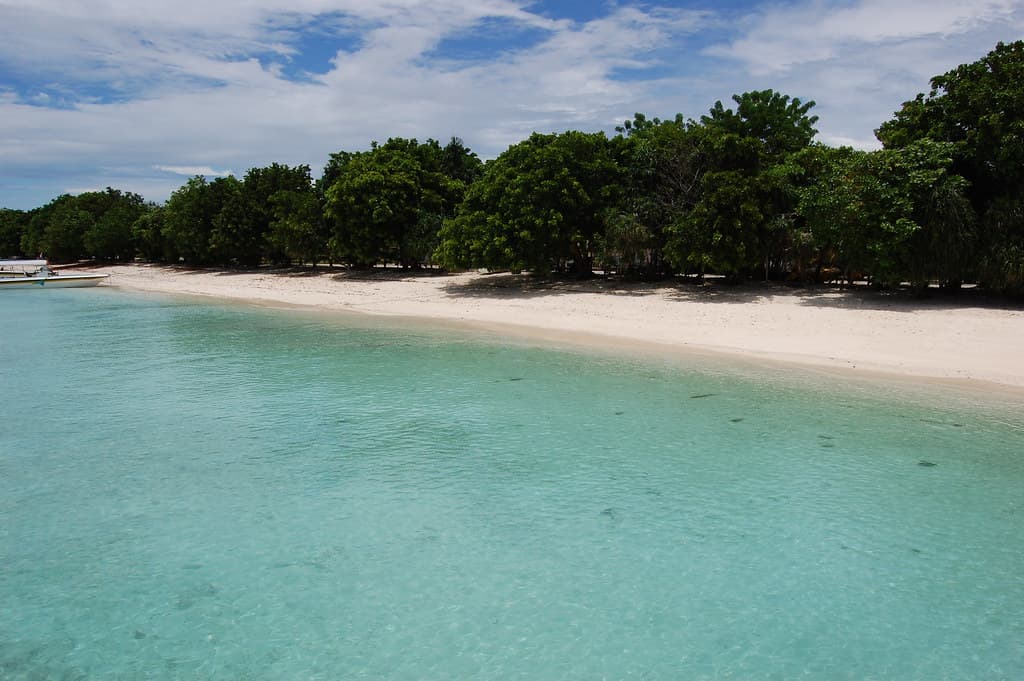
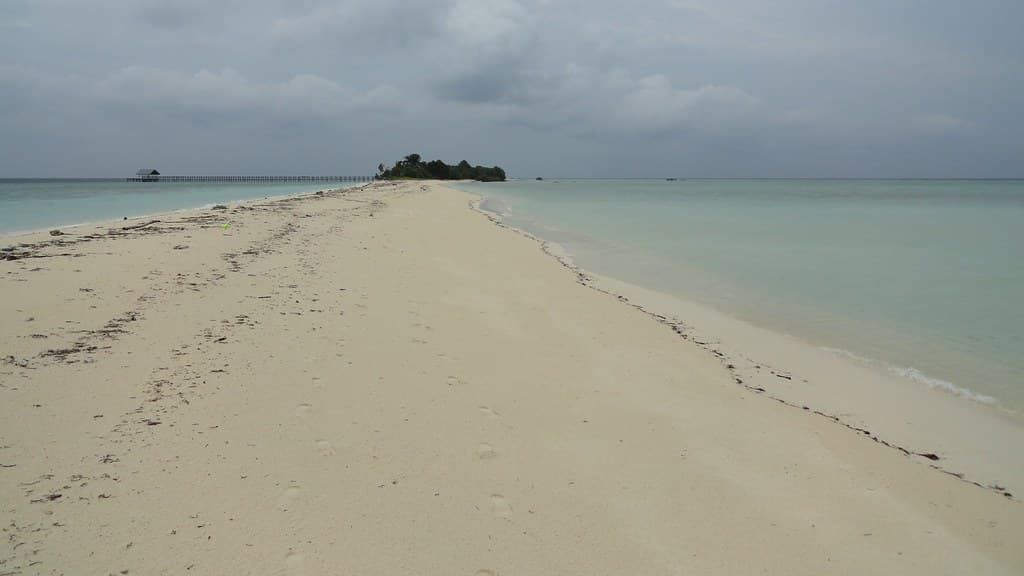
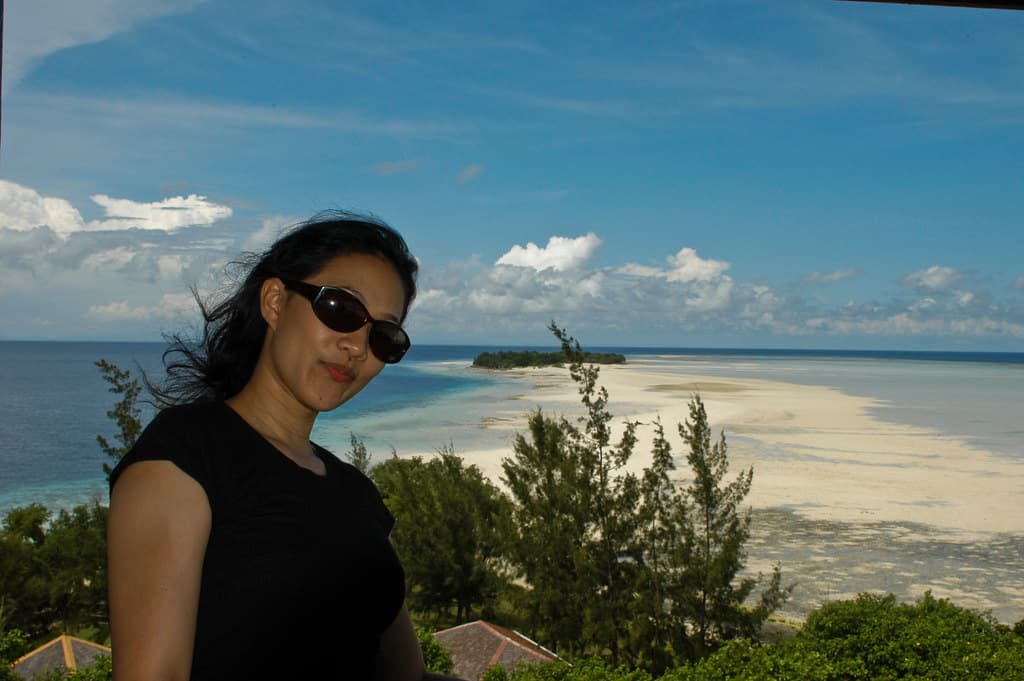
You arrive by speedboat from Semporna, the mainland's scruffy fishing hub fading behind you as the Celebes Sea deepens to indigo. Mataking appears low on the horizon—two forested humps linked by that famous sandbar, fringed by sand so fine it squeaks underfoot. The resort occupies the smaller island; the larger one remains uninhabited, a green silhouette you'll swim toward each morning. The house reef begins three meters from shore. You wade in and the bottom drops into gardens of staghorn and table coral, alive with schools of fusiliers that move like silver curtains. Blacktip reef sharks rest in the shallows. At the channel between islands, the current brings eagle rays and, if you time it right during turtle nesting season, greens and hawksbills surfacing for air with ancient, unbothered eyes. Back on land, the resort keeps things deliberately small—overwater bungalows on stilts, a handful of beachfront villas beneath casuarina pines. Evenings unfold without agenda: grilled stingray at the open-air dining pavilion, sundowners watched from your private deck as fruit bats commute overhead. The sandbar walk at dawn, when the sand is cool and the water on both sides holds that first silver light, becomes a daily ritual you didn't know you needed.
Places, rentals, tours and events within walking and driving distance of Mataking Island Beach.
Photos
Mataking Island Beach is generally safe for swimming and snorkeling, with calm, shallow waters protected by surrounding reefs. The gentle currents make it ideal for both beginners and experienced snorkelers. However, always check with resort staff about current conditions before entering the water. Life jackets are typically available for non-swimmers. Be mindful of coral to avoid accidental damage and injury. The resort maintains safety standards, but standard precautions apply: avoid swimming alone, stay within designated areas, and watch for boat traffic near jetties.
The best time to visit Mataking Island is during the dry season from March to October, with April to June offering optimal conditions. These months feature calmer seas, excellent underwater visibility (often 20-30 meters), and minimal rainfall, perfect for snorkeling and diving. November to February brings the northeast monsoon with rougher seas and frequent rain, though the island remains accessible. Water temperatures stay consistently warm year-round (27-30°C). Book well in advance for peak periods like school holidays and major festivals.
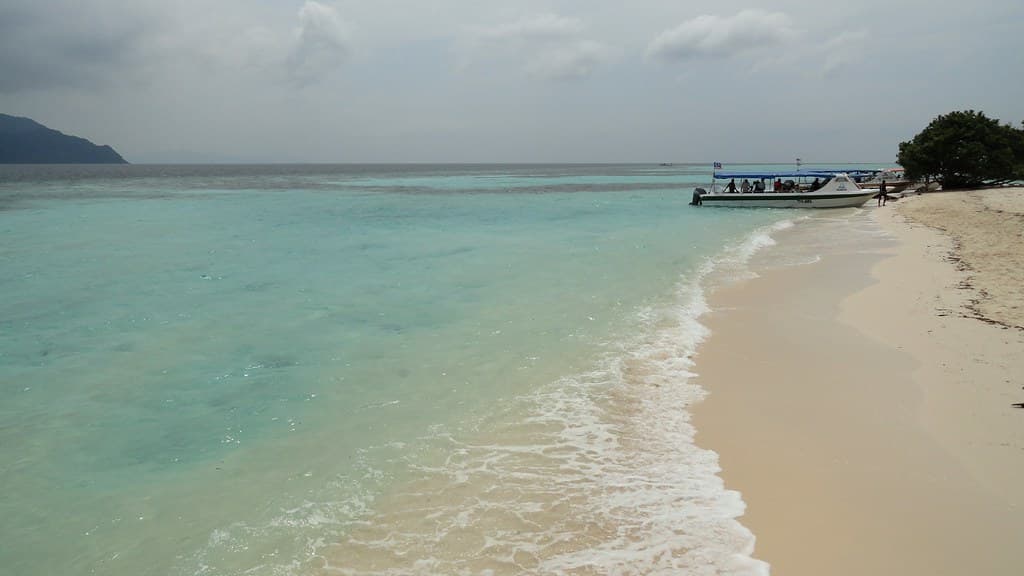
Reaching Mataking Island requires a boat transfer from Semporna town on mainland Sabah. Most visitors fly to Tawau Airport, then take a one-hour drive to Semporna. From Semporna's jetty, it's approximately 45 minutes by speedboat to Mataking. Resort guests typically arrange transfers directly through their accommodation, with boats departing at scheduled times. If driving to Semporna, secure parking is available near the jetty area, often arranged through tour operators or resorts. The boat ride offers scenic views of Celebes Sea islands.
Mataking Island features an exclusive resort offering luxury accommodation ranging from beachfront chalets to overwater bungalows. The island operates on an all-inclusive or meal-plan basis, with restaurants serving international and local Malaysian cuisine. Dining typically includes buffet-style meals with fresh seafood. There are no other restaurants or shops on the island, so all amenities are resort-based. The property includes a dive center, spa services, and beach bars. Given the remote location, most visitors book multi-night packages that bundle accommodation, meals, and activities together.
Yes, one of Mataking's unique features is a stunning sandbar that connects Big Mataking and Small Mataking islands during low tide. This natural sand bridge emerges for several hours, allowing visitors to walk between the two islands surrounded by turquoise water. The exact timing varies with daily tides, so check with resort staff for the schedule. This experience is particularly popular for photography, romantic walks, and exploring both islands. During high tide, the sandbar disappears completely underwater, and the islands become separated again.