Counting the waves…
Counting the waves…
A refined fusion of water purity, environmental stability, and communal vibrancy for Blind Bay.
View MethodologyAnalyzed via live sensors and environmental data.
Wave height, wind, and atmospheric stability.
Live footfall and crowd balance metrics.
Community reviews and curated sentiment.
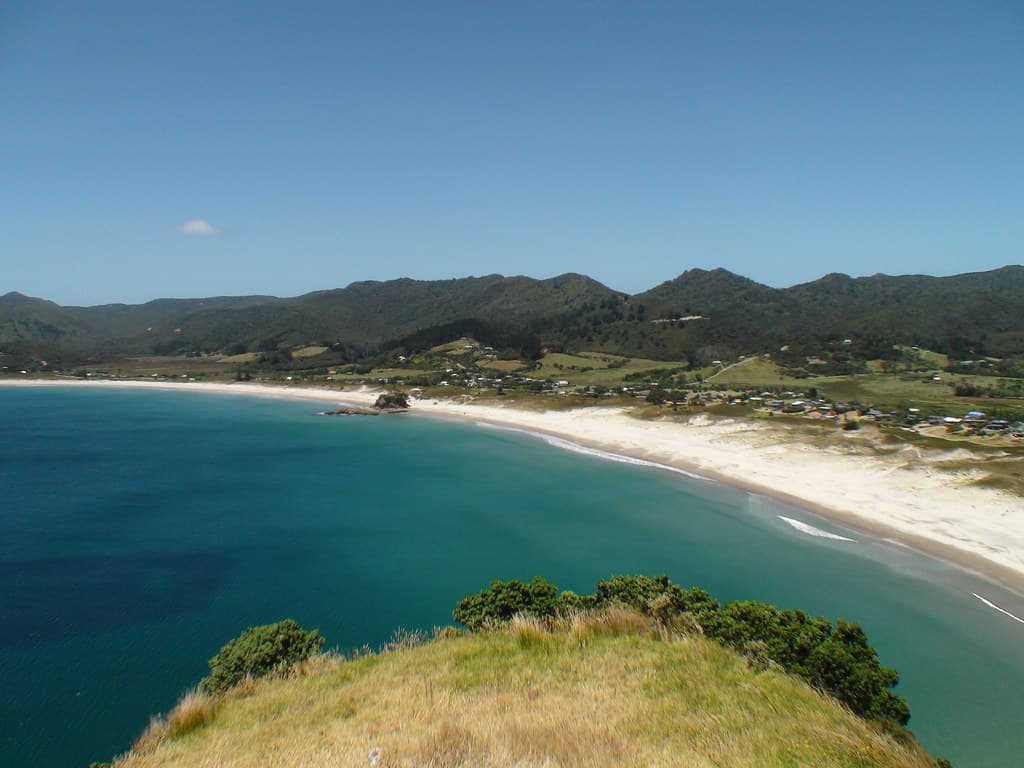
“The bay curves like a cupped hand, its entrance narrow enough that swells lose their energy before reaching the sand. A handful of yachts swing on their moorings, and the only sounds are halyards tapping masts and waves…”
Limited recent visitor reports — live OBI telemetry is your best guide for current conditions.
Access is by boat or a rough track that discourages casual visitors, which means Blind Bay remains the domain of sailors, kayakers, and those willing to navigate overgrown trails. The beach itself is short and pebbly, backed by dense coastal scrub and pohutukawa that lean toward the water. At high tide the sand nearly disappears; at low, rock shelves emerge, slick with weed and busy with periwinkles.
The water inside the bay sits calm even when the outer coast heaves with swell. Locals know this and use Blind Bay as a refuge when northeasterlies blow—anchor here and ride out weather that would make other anchorages untenable. Snorkeling the rocky margins reveals small schools of butterfish and juvenile snapper navigating the boulders. The clarity varies with tide and wind, best on still mornings when sediment settles overnight.
 Credit: Unsplash
green trees on brown sand under blue sky during daytime
 Credit: Unsplash
brown rocks near body of water
Calm water most conditions
Juveniles school near boulders
Bush tracks to neighboring coves
Prime Visitation
Best Weather|Less Crowds
Where it is
Blind Bay
Great Barrier Island, Auckland Region, New Zealand
-36.294200°, 175.428500°
Weather
Loading…
Swell
—
Temp
Warm · Restorative
UV Index
Moderate
Wind
—
Tidal State
Last known
Max Sunlight
—
Ideal Shade
—
Jan - Dec (Peak)
Mar - Nov (Off-season)
Best Weather|Less Crowds
Select a category to load nearby places.
Unlock restaurants, luxury stays and curated maritime experiences within 2km
Blind Bay is generally safe for swimming due to its sheltered cove character, though like all Great Barrier beaches it's unpatrolled. The bay's protected position offers calmer conditions than exposed coastal beaches, making it suitable for swimming in settled weather. However, swimmers should still assess conditions including wind, tides, and currents before entering. Supervise children closely and avoid swimming alone given the remote location and distance from emergency services. Conditions can change with weather systems, so exercise caution. The shelter that makes the bay popular with boaties also contributes to more manageable swimming conditions for cautious swimmers.
Blind Bay is best visited during New Zealand's summer months (December-March) when weather is most stable and water temperatures are warmest. However, its sheltered nature makes it viable during shoulder seasons of spring and autumn when weather remains pleasant but crowds are lighter. The bay's protected position means it can be enjoyable when other Great Barrier locations are wind-affected. Given the island's overall low visitor numbers, Blind Bay rarely feels crowded even in peak season. Midweek visits offer even greater solitude. As with all Great Barrier destinations, bring provisions and check weather forecasts, as conditions can be unpredictable year-round.
Reaching Blind Bay requires getting to Great Barrier Island first via ferry from Auckland (4-5 hours) or flight (30 minutes). The bay is often accessed by boat, as it's valued by boaties for its sheltered anchorage. Road access exists but may require 4WD depending on conditions and the specific access route. Some visitors arrive by kayak or private vessel. If driving, expect unsealed gravel roads typical of Great Barrier—check locally about current road conditions and best access routes. Vehicle rental on the island is limited, so book ahead or bring your own on the ferry. The off-the-main-route location adds to its seclusion.
Blind Bay has minimal facilities befitting its remote, off-the-beaten-path character. Expect no shops, restaurants, cafes, or commercial services at the bay itself. A few private properties and possible bach (holiday home) rentals may exist in the area, but options are extremely limited. Most visitors either arrive by boat as a day anchorage, or stay in main Great Barrier settlements like Tryphena or Claris and visit Blind Bay as a destination. Come completely self-sufficient with all food, water, and supplies. The lack of development preserves the bay's quiet, natural appeal but requires advance planning and self-reliance.
Blind Bay's distinction lies in its sheltered, off-the-main-route character that attracts boaties seeking protected anchorage and land visitors wanting genuine seclusion. Unlike more accessible Great Barrier beaches, Blind Bay requires deliberate effort to reach, ensuring very low visitor numbers and a wilderness feel. The bay's protection from prevailing winds and swells makes it valuable when other island locations are exposed. Its quiet, unhurried atmosphere represents Great Barrier's essence—remote, natural, and undeveloped. For those seeking isolation and connection with nature away from even the island's limited infrastructure, Blind Bay delivers an authentic off-grid coastal experience with beautiful scenery and tranquility.
Photos