
Counting the waves…
Counting the waves…
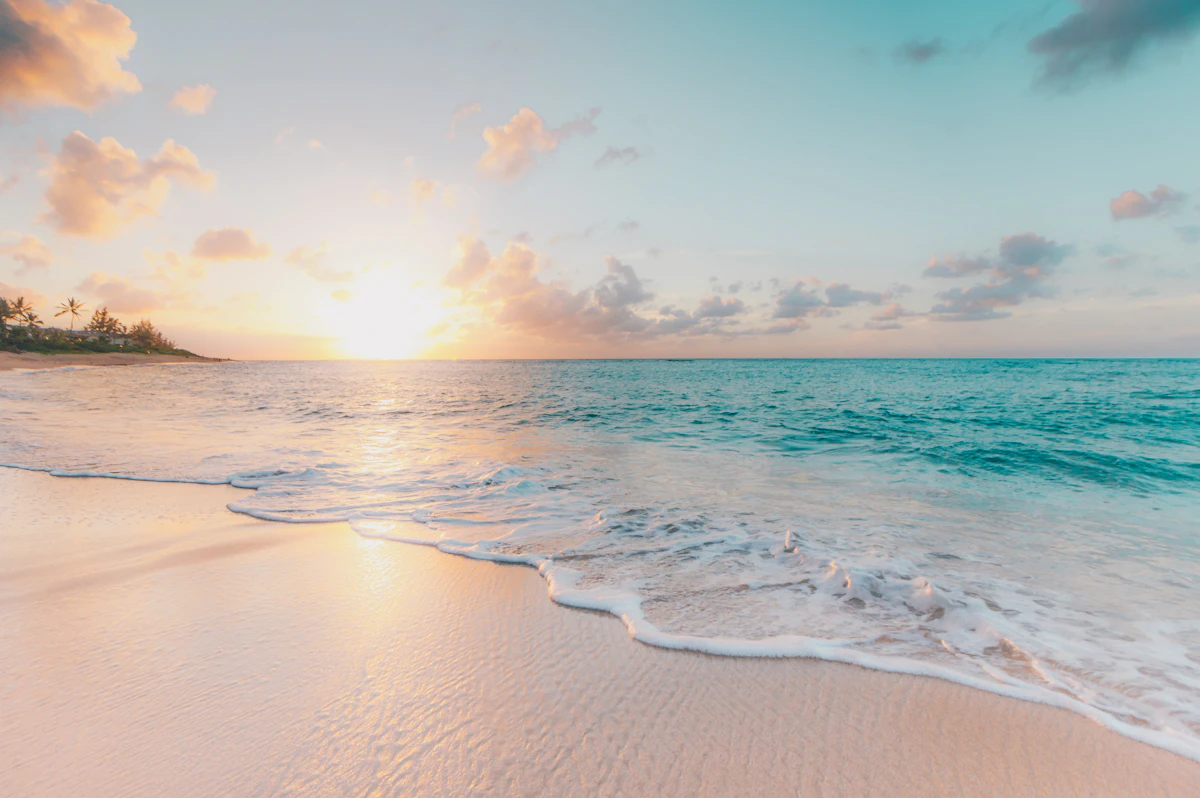
You park beneath the pohutukawa that line Maraetai Coast Road, their trunks leaning seaward from decades of onshore wind. The reserve spreads between road and beach—mown grass, wooden picnic tables darkened by weather, a playground where the chains squeak on the swing set. The sand carries the dark mineral signature of Auckland's west coast, though less volcanic, cut with lighter quartz that softens the overall tone to charcoal-grey. The wharf extends 80 meters into the Tamaki Strait, its decking sun-bleached and studded with splinters. Fishermen work the far end, casting for snapper and kahawai while children cannonball from the wharf's edge when the tide rises high enough. The water temperature climbs to 21 degrees by late January, cools to 14 by August. Motutapu and Waiheke islands form a layered backdrop, their ridgelines stacked like stage scenery. At low tide, the beach extends across dark sand to exposed mudflats where oystercatchers probe for cockles. The swimming area stays relatively shallow for 30 meters out, the bottom a mix of sand and shell fragments that crunches underfoot. Pohutukawa roots grip the low bluffs behind the beach, their branches reaching across the reserve to create dappled shade by late afternoon. The local surf club operates from a modest building at the beach's southern end, its rescue boards stacked against the weatherboard walls.
Places, rentals, tours and events within walking and driving distance of Maraetai Beach.
Photos
Maraetai Beach is generally family-friendly with calm, sheltered waters suitable for children. The beach slopes gradually, making it safe for paddling and swimming. However, always supervise children closely as conditions can change with tides and weather. Check local tide times before visiting, as low tide exposes more sand and creates shallow pools ideal for young kids. Lifeguards are not always present, so swim cautiously and stay within your depth. The beach has good visibility from the shore, making it easy to keep an eye on swimmers.
Maraetai Beach can be enjoyed year-round, though summer months (December to February) offer the warmest weather and best swimming conditions. Weekday visits provide a quieter experience compared to busy summer weekends when locals flock here. Early morning and late afternoon offer beautiful light for photography and fewer crowds. The beach faces east, making it perfect for sunrise viewing. Spring and autumn provide mild temperatures ideal for picnicking and beach walks. Visit during high tide for better swimming conditions, as low tide can expose extensive mudflats in some areas.
Maraetai Beach is approximately 45 kilometers southeast of Auckland CBD, roughly a 45-minute drive via State Highway 1 and Whitford-Maraetai Road. Take the Southern Motorway south, exit toward Clevedon/Kawakawa Bay, and follow signs to Maraetai. There's free parking available near the beach and wharf area. Public transport options are limited, though some bus services connect to nearby areas requiring additional travel. Driving is the most convenient option. The beach is well-signposted once you reach the coastal Pohutukawa Coast area. Consider carpooling on busy summer weekends when parking fills quickly.
Maraetai village has a few cafes and takeaway shops within walking distance of the beach, offering fish and chips, coffee, and light meals. The commercial area near the beach provides basic supplies and refreshments. For more extensive dining options, nearby Clevedon or heading back toward Auckland offers greater variety. Accommodation in Maraetai itself is limited, primarily consisting of holiday rentals and private homes. Many visitors stay in Auckland and make Maraetai a day trip. For those seeking beachside stays, Airbnb and holiday home rentals are your best options. Book well ahead during peak summer season.
The Maraetai wharf is a beloved local landmark extending into the Hauraki Gulf, offering excellent fishing opportunities and panoramic island views. It's a popular spot for families to fish, with kahawai and snapper commonly caught. The wharf provides a perfect vantage point for photographing the Pohutukawa-lined coast and offshore islands. Walking to the end of the wharf offers a different perspective of the beach and surrounding coastline. It's also a gathering spot for locals and a great place to watch boats coming and going. The wharf area includes picnic facilities, making it ideal for a relaxed seaside afternoon.