Counting the waves…
Counting the waves…
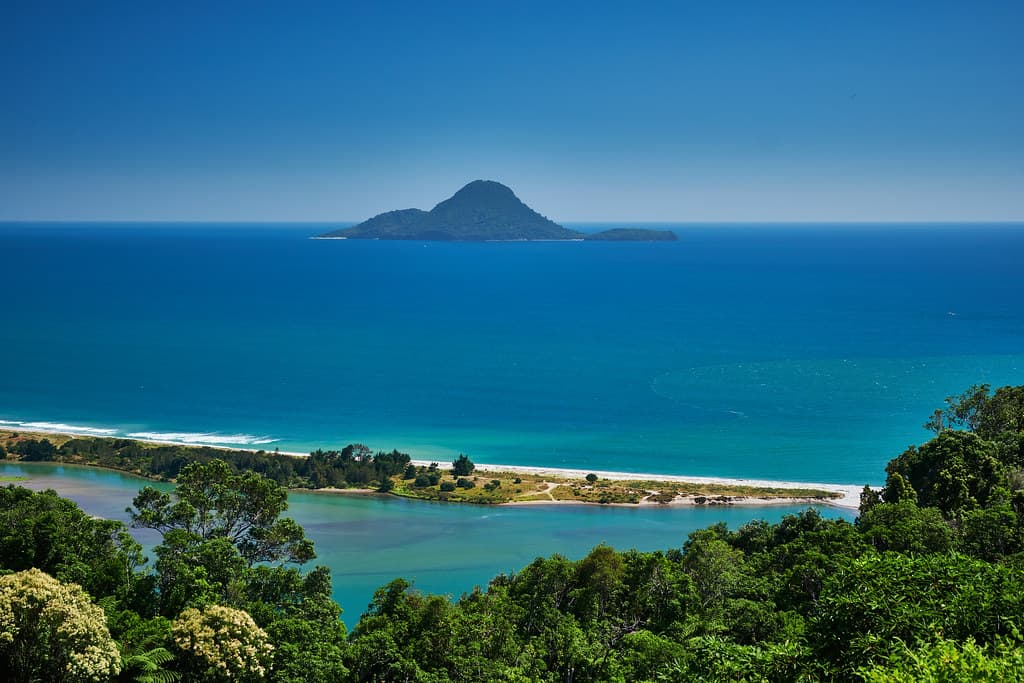
Ōhope stretches east from the harbour entrance, a vast ribbon of fine white sand that holds the light like ground quartz. The beach faces north into the Bay of Plenty, sheltered from the prevailing southwesterlies by the hills behind Whakatane, and the result is a microclimate that delivers more sunshine hours than almost anywhere else in New Zealand. On a blue-sky January day the scene is quintessentially Kiwi summer: children digging moats, teenagers playing touch rugby in the shallows, families clustered beneath beach umbrellas, barbecue smoke drifting from the foreshore reserves. The water is gentle by ocean standards—long, rolling swells that flatten into knee-high shorebreak, warm enough by February that you'll stay in for hours. Offshore, Whale Island (Moutohora) rises in a distinctive hump, its forested slopes home to seabirds and tuatara. At low tide the sandbars emerge, creating shallow lagoons where toddlers wade safely while their parents watch from towels spread on sand so fine it squeaks underfoot. The eastern end tapers toward Ohiwa Harbour; walk far enough and you'll reach a quieter stretch where the dunes rise higher and the only company is the occasional fisherman casting for kahawai. Pohutukawa trees fringe much of the beach, their canopies providing midday shade and their roots offering natural seating. In December they explode into crimson bloom—'New Zealand's Christmas tree'—and the contrast against the white sand and turquoise water becomes almost cliché in its perfection. The village behind the beach is low-key: a general store, a handful of cafés, fish and chip shops, and streets lined with baches that fill with extended families every holiday season. The beach has earned its accolades not through novelty but through delivering, year after year, exactly what a beach should be.
Places, rentals, tours and events within walking and driving distance of Ōhope Beach.
Photos
Ōhope Beach is generally safe for swimming and very family-friendly, with patrolled sections during summer months. The beach offers both calm harbour-side areas and ocean surf zones, so you can choose conditions suitable for your group. Always swim between the red and yellow flags where lifeguards are on duty. The broad, gently sloping sand makes it easy to supervise children. Check local conditions before entering the water, as surf can vary. The beach's sheltered eastern end near the harbour entrance tends to be calmer.
Ōhope Beach can be visited year-round, though summer (December to February) offers the warmest weather for swimming and beach activities. This is also when lifeguard patrols operate. The shoulder seasons of autumn and spring provide pleasant temperatures with fewer crowds, ideal for walks and photography. Winter brings cooler weather but the beach remains scenic for coastal walks. Weekdays are generally quieter than weekends. The beach faces east, making it excellent for sunrise viewing any time of year.
Ōhope Beach is located near Whakatāne in the Bay of Plenty. From Auckland, it's approximately a 3-hour drive (300km) via State Highway 2. From Rotorua, the journey takes about 1 hour 15 minutes (80km). Tauranga is roughly 90 minutes away. The beach is easily accessible by car with ample parking along the beachfront. InterCity buses service Whakatāne, from where you can take a short taxi or local bus to Ōhope. The nearest major airport is Tauranga, about 90km away.
Ōhope offers a range of accommodation from holiday parks and motels to rental homes and boutique lodges spread along the beachfront. The small shopping village has cafes, takeaway shops, and a general store for supplies. For more extensive dining and shopping options, nearby Whakatāne (8km away) has supermarkets, restaurants, and additional services. Many visitors opt for self-catering accommodation and utilize local shops for groceries. Book accommodation well in advance during peak summer season, as this popular beach fills quickly.
Ōhope Beach consistently ranks among New Zealand's top beaches, stretching 11 kilometres with pristine white sand and stunning views of Whakaari (White Island) and Mōtītī Island. The beach offers remarkable variety: sheltered harbour swimming at one end and open ocean surf at the other. The expansive width of sand at low tide is ideal for beach games and walks. The backdrop of native pōhutukawa trees adds natural beauty, especially during their crimson flowering in summer. Its combination of accessibility, beauty, and facilities makes it beloved by locals and visitors alike.