Counting the waves…
Counting the waves…
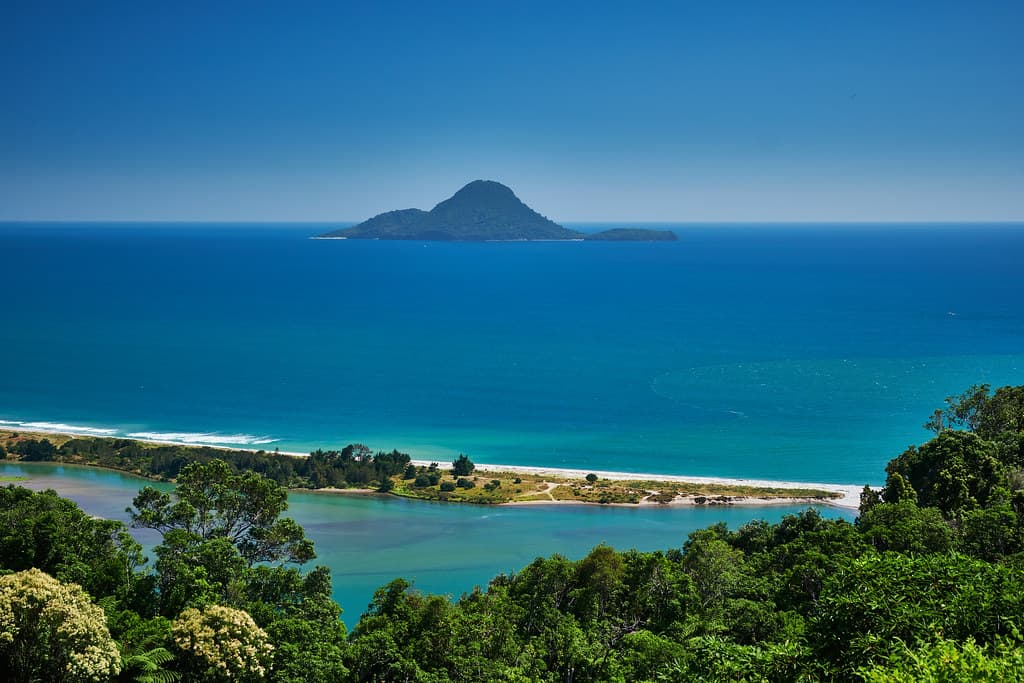
The river carves a shifting channel across the sand, and you wade through knee-deep water to reach the main beach, feeling the tug of outgoing tide around your calves. On the ocean side, waves thump into the shore with enough punch to draw a handful of bodyboarders and shorebreak surfers, their boards skittering across the foam. Further out, Moutohora Island rises dark and forested, a dormant volcanic cone that anchors the seaward view and shifts from grey to green as the light changes. This is a beach built for practicality—close to cafes, easy parking, patrolled in summer—but it still delivers the raw beauty of an open coastline. You walk the firm sand toward the eastern headland, passing driftwood logs and kelp ribbons deposited by the last big swell. Oystercatchers stalk the tideline on bright orange legs, and the wind carries the briny smell of estuary mud mixing with ocean salt. By late afternoon, the sun swings westward, backlighting the river mouth and turning the breakwater into a black silhouette. Surfers paddle in, boards tucked under arms, and families pack up towels and umbrellas. You linger at the water's edge, watching the colour drain from the sky, feeling the sand cool beneath your feet, grateful for a beach that asks so little effort and gives back so much space.
Places, rentals, tours and events within walking and driving distance of Whakatāne Heads Beach.
Photos
Whakatāne Heads Beach sits at a river mouth, which creates variable conditions requiring caution. Swimming safety depends on tides, currents, and river flows. Rip currents can develop near the river entrance, particularly on outgoing tides. The beach may not have year-round lifeguard patrol, so check local conditions before swimming. Families with young children should stay in shallow areas away from the channel. The river mouth configuration means conditions change frequently, so always assess the water before entering.
Whakatāne Heads Beach is accessible year-round, though summer (December-February) offers the warmest weather and best swimming conditions. The beach provides scenic coastal views in any season, making it worthwhile for walks and photography throughout the year. Early mornings are ideal for peaceful beach walks and wildlife spotting. Sunset visits are popular for the coastal light. Weather in the Bay of Plenty is generally mild, but winter can bring cooler temperatures and rougher surf conditions.
Whakatāne Heads Beach is located on the town side of Whakatāne near the river mouth. From Whakatāne town centre, follow signs toward the heads area. There's typically parking available near the beach access points. The beach is a short drive from downtown Whakatāne, approximately five to ten minutes. Walking from central Whakatāne is possible along the waterfront paths. The area is well-signposted and easily accessible by car, with the coastal road providing straightforward navigation to the heads area.
Whakatāne town centre, just minutes away, offers various dining options including cafes, restaurants, and takeaway shops serving fresh seafood and international cuisine. Accommodation options in Whakatāne include motels, hotels, holiday parks, and bed and breakfasts to suit different budgets. Some visitors choose to stay in nearby Ōhope Beach, which has additional accommodation and dining choices. Supermarkets in town provide supplies for picnics. The proximity to town means you have good access to amenities while staying near this coastal spot.
Whakatāne Heads Beach occupies a distinctive river-mouth position where the Whakatāne River meets the ocean, creating unique coastal scenery and dynamic water conditions. This location provides excellent vantage points for coastal views and maritime activity watching, including boats entering and leaving the harbour. The beach offers a different character than typical sandy beaches, with its working river mouth environment. It's also a convenient access point for those interested in fishing or simply observing the intersection of river and sea ecosystems.