Counting the waves…
Counting the waves…
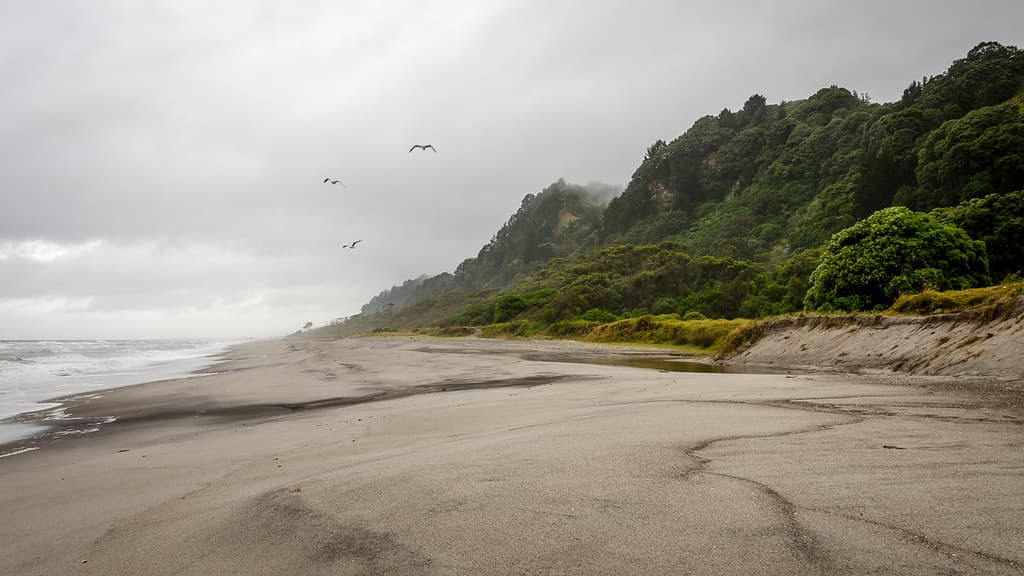
Otamarakau stretches in both directions from the settlement, a long sweep of sand backed by dunes and farmland. The beach faces northeast into the Pacific; on clear days, White Island's steam plume marks the horizon. The surf runs year-round—nothing world-class, but consistent enough that you'll see foam lines stacking up in offshore winds. The sand underfoot is coarse, scattered with driftwood and the occasional tangle of bull kelp. The settlement itself is minimal: a boat club, a handful of homes, a gravel car park. No surf shop, no espresso machine, no lifeguard flags. You'll share the beach with locals walking dogs, the odd fisherman working a rod from the shore, perhaps one other vehicle in the parking area. The absence of infrastructure is the point—Otamarakau remains quietly functional, unadorned, and largely ignored by the masses headed to Mount Maunganui. Sunset transforms the ordinary into memorable. The light angles across the dunes, turning the marram grass gold. The offshore islands—Motiti, White—become dark cutouts against a sky layered in peach and violet. Waves continue their rhythmic collapse; oystercatchers patrol the tideline. You'll leave with sand in your car's floor mats and the sense that you've found a beach still operating on its own terms.
Places, rentals, tours and events within walking and driving distance of Otamarakau Beach.
Photos
Otamarakau Beach is an open-coast surf beach exposed to ocean swells, making it more suitable for experienced swimmers and surfers rather than young children. The beach is unpatrolled, so you swim at your own risk. Rips and currents can be present, particularly during higher swells. Check conditions carefully before entering the water. The beach offers decent surf for intermediate surfers when conditions align, but always respect the ocean. If you're unfamiliar with surf beaches, stay in shallow water and never swim alone.
Visit Otamarakau Beach during summer (December-February) for the warmest weather, though you'll find fewer crowds here year-round compared to popular Bay of Plenty beaches. Autumn (March-May) offers pleasant temperatures with even quieter conditions. For surfing, winter and spring can bring better swells but colder water. The beach faces north-east, providing lovely sunset views across the bay. Locals favor this beach precisely because it remains uncrowded, so even peak season doesn't see the masses found elsewhere.
Otamarakau Beach is located off State Highway 2 between Whakatāne and Tauranga, approximately 30 minutes from either city. Turn off the highway at Otamarakau settlement and follow local roads toward the coast. There's parking available at the beach access points, though facilities are basic. The area is residential with holiday homes, so be respectful of private property and park only in designated areas. A private vehicle is necessary as public transport doesn't service this small coastal settlement.
Otamarakau is a small residential beach community with very limited commercial facilities. You won't find restaurants, cafes, or shops directly at the beach. Most visitors are day-trippers or staying in private holiday homes. The nearest towns for supplies, dining, and comprehensive accommodation are Te Puke (15 minutes inland) or the larger centers of Whakatāne and Tauranga. Bring your own food, drinks, and beach supplies. This limited development is part of the beach's appeal for those seeking an uncrowded, authentic experience.
Otamarakau Beach is a true locals' beach that has remained largely off the tourist radar despite its proximity to major Bay of Plenty centers. Unlike developed beaches like Mount Maunganui or Whakatāne, it maintains a quiet residential character with minimal facilities or crowds. The open-coast location offers better surf potential than sheltered bay beaches, and the scenic backdrop and relative isolation appeal to visitors seeking authentic coastal New Zealand away from commercial tourism. It's ideal for those who appreciate raw, uncommercialized beach experiences.