

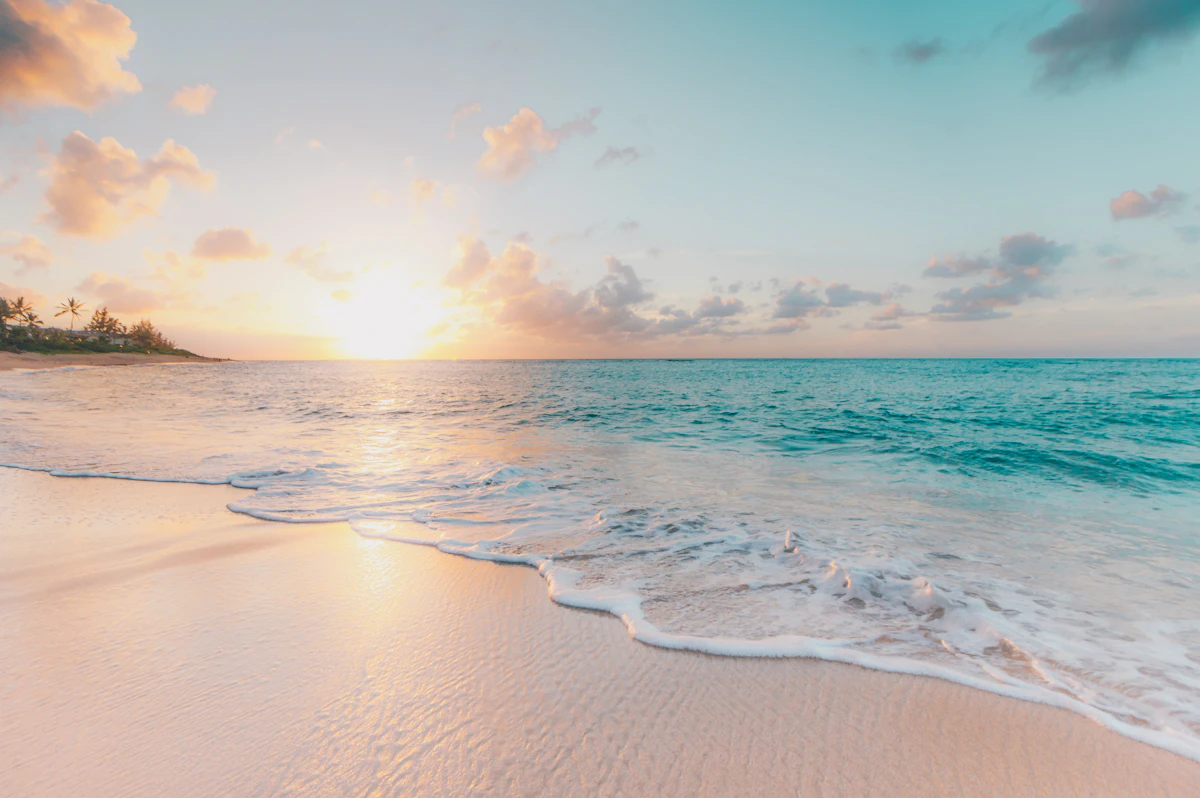
Counting the waves…
Counting the waves…

The beach at Birdlings Flat earns its reputation among rockhounds and storm-watchers. Each wave deposits and retrieves stones the size of plums, creating a natural sorting machine that concentrates agates, jasper, and water-worn quartz at the tide line. You'll hear the beach before you see it—that distinctive rattle of shifting shingle as the Pacific exhales and pulls back. The settlement itself is a collection of baches and fishing shacks clinging to the spit's edge, their corrugated iron roofs silvered by salt air. Stone-hunting cabins open their collections to visitors: jars of sorted pebbles arranged by color, shelves of polished specimens, and hand-lettered signs advertising finds. The hobby borders on obsession here, and the beach provides an endless supply of material. Walk north toward the spit's tip and the human presence fades. Driftwood stacks up in chaotic barriers, kelp dries in tangled ropes, and the shoreline curves away toward distant headlands. Sunset paints the Kaikōura ranges pink across the water, but the wind will have you pulling your collar tight long before the light fades completely.
Places, rentals, tours and events within walking and driving distance of Birdlings Flat Beach.
Photos
Swimming at Birdlings Flat is generally not recommended due to strong currents, unpredictable surf, and the exposed nature of this open-ocean beach. The pebble shore can be slippery, and waves can be powerful. There are no lifeguards on duty. The beach is better suited for walking, photography, and beachcombing rather than water activities. If you do enter the water, stay close to shore, never swim alone, and be extremely cautious of changing conditions. Always check local weather and surf forecasts before visiting.
The best weather typically occurs during summer months (December to February), though Birdlings Flat is beautiful year-round for dramatic coastal scenery. For fewer crowds, visit during autumn (March-May) or spring (September-November) on weekdays. Sunset is particularly spectacular here, as the westward-facing spit offers stunning evening light. Winter can be wild and windswept but photogenic. Early mornings provide the best beachcombing opportunities, especially after storms when interesting stones and driftwood wash ashore along the pebble beach.
Birdlings Flat is approximately 60-70 kilometers from Christchurch city centre, about a 1-1.5 hour drive. Take State Highway 75 south through Tai Tapu, then follow signs toward Birdlings Flat Road along the Kaitorete Spit. The final stretch is on gravel roads that can be rough and exposed to strong winds. A regular car can access the area in good weather, but drive carefully. There is no public transport service to this remote location, so a private vehicle is essential for visiting.
Birdlings Flat is a very small, remote settlement with extremely limited facilities. There are a few private holiday homes (baches) but minimal commercial accommodation or dining options directly at the beach. Visitors should bring their own food, water, and supplies. The nearest towns with shops, cafes, and fuel are Dunsandel or Lincoln, about 30-40 minutes away. For a wider range of accommodation and dining, Christchurch is the best base. Pack everything you need for a self-sufficient day trip to this isolated coastal area.
Birdlings Flat is famous among collectors for its exceptional variety of colourful pebbles, semi-precious stones, and agates washed up along the shingle beach. The constantly shifting gravel deposits from the ocean floor bring jasper, carnelian, quartz, and other interesting stones. Many visitors spend hours searching for unique specimens. The area's geology and ocean currents create ideal conditions for stone accumulation. After storms, fresh deposits appear. While beachcombing is popular, be respectful of private property and take only what you'll genuinely use or appreciate.