Counting the waves…
Counting the waves…

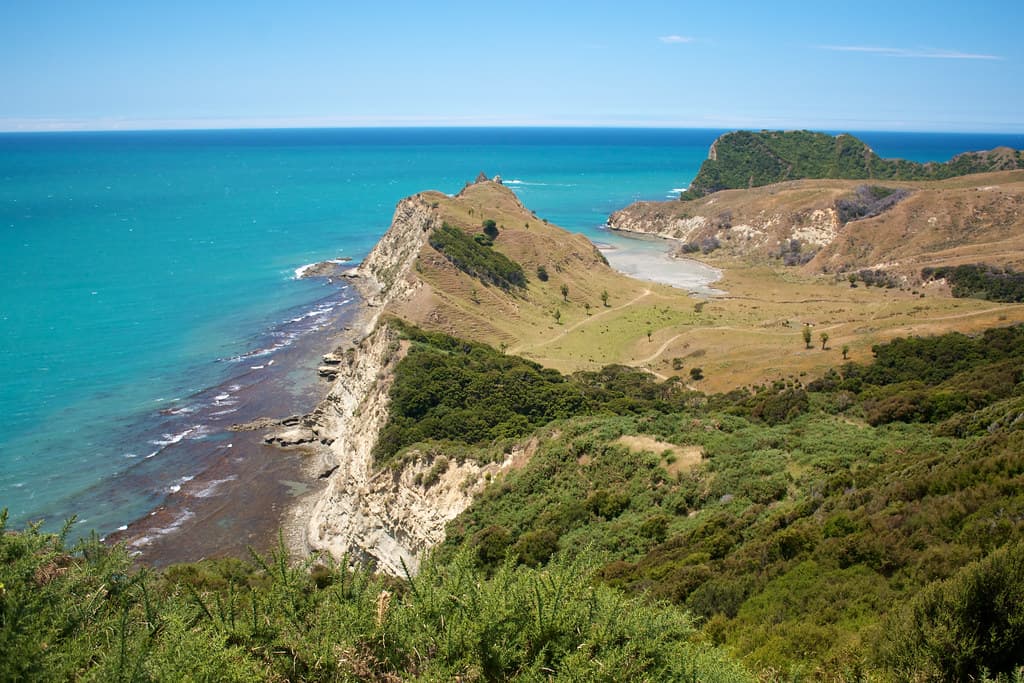
The turnoff to Pouawa is easy to miss—a quiet side road departing the main coastal highway north of Gisborne. You follow it through farmland until the ocean appears suddenly, spreading wide and blue, and the settlement's modest houses dot the hillside above the beach. The sand here is blonde and broad, running for kilometres with barely a rock or reef to interrupt its sweep. On warm days the beach fills with local families who set up beneath umbrellas and spend hours swimming, bodyboarding, and playing cricket on the firm sand. The waves break with enough energy to be fun but not enough to intimidate, rolling in lines that peel predictably along the shore. Behind the beach, dunes rise gently, topped with marram grass that hisses in the wind, and walking tracks wind through the scrub toward lookout points with views stretching north and south along the coast. Pouawa's lack of commercial development keeps the atmosphere unhurried. There's no surf club, no ice cream stand, no car park attendant—just a gravel pull-off, a footpath down to the sand, and the ocean spreading out before you. The light here is brilliant and direct, the kind that makes every detail sharp: the white foam on the waves, the golden-green dune grass, the blue depth of the Pacific stretching toward the horizon. By late afternoon, the offshore breeze picks up and the surface of the water glitters like hammered metal, beautiful and unrelenting.
Places, rentals, tours and events within walking and driving distance of Pouawa Beach.
Photos
Pouawa Beach is generally suitable for swimming, but conditions vary with weather and swell. The beach is unpatrolled, so swimmers should exercise caution and stay within their abilities. Check surf conditions before entering the water, as currents can strengthen during higher swells. The sandy bottom and gradual entry make it family-friendly in calm conditions. Always swim during daylight hours and keep children supervised. If you're unfamiliar with New Zealand beach conditions, swimming at patrolled beaches elsewhere in Gisborne is advisable.
The best time to visit Pouawa Beach is during New Zealand's summer months from December to March, when temperatures are warmest and rainfall is lower. This period offers the most reliable beach weather with calm seas ideal for swimming and sunbathing. Autumn (April-May) also provides pleasant conditions with fewer visitors. Winter can be quite cool and windy. Weekdays generally see fewer crowds than weekends year-round. Early mornings offer beautiful sunrise views and peaceful walks along the sand before other beachgoers arrive.
Pouawa Beach is located approximately 30 kilometers north of Gisborne city via State Highway 35 (the Pacific Coast Highway). From Gisborne, drive north for about 25-30 minutes until you reach the small settlement of Pouawa. Turn toward the coast where signposted. The beach is accessible by sealed and gravel roads suitable for most vehicles. There's limited parking near the beach access points. Public transport options are extremely limited in this rural area, so a private vehicle is essential for visiting this beach.
Pouawa is a small rural settlement with very limited commercial facilities. There are no cafes, restaurants, or shops directly at the beach, so visitors should bring their own food, drinks, and supplies from Gisborne before heading out. Accommodation options in Pouawa itself are minimal, typically limited to private holiday homes or farm stays that can be booked in advance. Gisborne city, 30 minutes south, offers the nearest full range of hotels, motels, holiday parks, restaurants, and supermarkets for stocking up on beach provisions.
Pouawa Beach stands out for its peaceful, undeveloped character and genuine local coastal settlement atmosphere. Unlike busier Gisborne city beaches, Pouawa remains largely uncommercialized and offers visitors an authentic slice of rural East Coast life. The beach provides open ocean views, wide sandy expanses perfect for long walks, and excellent opportunities for quiet sunbathing away from crowds. Its location along the scenic Pacific Coast Highway makes it an ideal stop for travelers exploring the East Cape region, offering a tranquil alternative to more developed beach destinations.