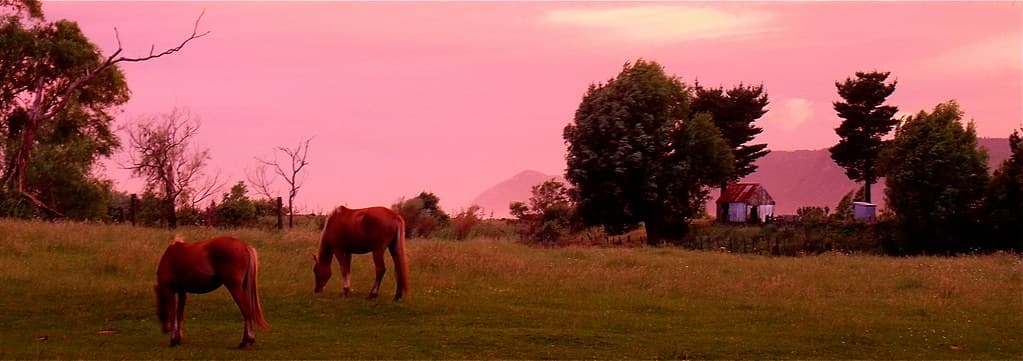
Counting the waves…
Counting the waves…
Lottin Point doesn't offer sand or swimming or any of the amenities that define typical beaches. Instead, it delivers pure coastal drama—jagged volcanic platforms battered by swells that have traveled from storms born near South America, waves detonating against rock in explosions of white water that shower spray thirty feet high. You pick your way carefully across the shore platforms, boots gripping rough basalt, while gulls wheel overhead and shags dry their wings on offshore rocks already whitewashed with guano. The lighthouse stands sentinel above, automated now but still warning ships away from reefs that have claimed vessels since European contact. From the clifftop, you see the coast stretching south toward Te Araroa, the East Cape lighthouse visible on clear days, and north toward the Three Kings Islands on those rare crystalline mornings when atmospheric conditions align. The wind rarely stops—it pours across the point from whichever quarter dominates, west or east, sculpting the vegetation into wind-sheared forms that crouch close to the ground. At low tide, the rock platforms reveal pools where sea urchins cluster purple and spiky, where crabs hide beneath overhangs, where the occasional octopus extends tentacles from its lair before withdrawing at your approach. The surge channels boom and hiss as swells compress through narrow gaps, and you feel the rock tremble slightly when particularly large sets arrive. This isn't a place for casual beach days—it's a pilgrimage site for those who want to witness the coast in its rawest, most elemental form, beauty measured not in comfort but in power and timelessness.
Places, rentals, tours and events within walking and driving distance of Lottin Point Beach.
Photos
Lottin Point Beach is not recommended for swimming due to its rocky nature and exposed location on the northern East Cape. The coastline here is rugged and dramatic, characterized by rock formations, strong currents, and powerful Pacific swells rather than safe swimming conditions. The area is better appreciated for its scenic beauty, coastal walks, and photography opportunities. If you're seeking swimming beaches, consider other sandy bays in the region with more sheltered conditions. Always prioritize safety when visiting rocky coastal areas—wear appropriate footwear, watch for unexpected waves, and never turn your back on the ocean, especially near rock platforms.
The best time to visit Lottin Point Beach is during settled weather periods, particularly in summer (December-March) and early autumn (April-May), when you'll enjoy clearer skies, calmer seas, and less wind for appreciating the dramatic coastal scenery. These months offer the best conditions for photography, coastal walks, and simply taking in the rugged landscape. Visiting during less crowded times means you'll likely have this remote spot largely to yourself. Early morning or late afternoon provides beautiful lighting for the dramatic rock formations and seascapes. Check weather forecasts before visiting, as this exposed location can be particularly harsh during storms or strong southerly winds.
Lottin Point is located near Te Araroa on the northern East Cape, accessed via State Highway 35. From Te Araroa township, follow local roads northward toward Lottin Point—signage may be limited, so a GPS or detailed map is helpful. The journey from Gisborne takes approximately 3-4 hours (around 180 kilometers) heading north and east around the Cape. From Opotiki (Bay of Plenty), it's roughly 2-3 hours driving southeast. Roads are mostly sealed but narrow and winding in places. A standard vehicle can typically access the area in good weather, though some access roads may be gravel. Allow extra time for the scenic but slow-paced coastal driving.
Accommodation and dining near Lottin Point are very limited. Te Araroa, the nearest settlement, has basic facilities including a general store, but options are minimal. Some holiday homes, farm stays, or campgrounds may be available with advance booking. Most visitors come as day-trippers from Te Araroa or other East Cape settlements, or they arrive fully self-sufficient. Stock up on food, water, and fuel in larger towns before reaching this remote area. The nearest town with more comprehensive services is Hicks Bay, about 30 minutes south. Many travelers exploring the East Cape stay in Gisborne or other larger towns and make day trips to remote spots like Lottin Point.
Lottin Point Beach offers couples a dramatically romantic and remote coastal setting unlike typical beach destinations. The rugged rock formations, powerful ocean meeting jagged shoreline, and sense of isolation create an intimate atmosphere perfect for couples seeking privacy and natural beauty. The dramatic scenery provides stunning photography opportunities and memorable moments away from crowds. The journey itself becomes part of the romantic adventure, traveling through one of New Zealand's most remote regions. Sunset views over the Pacific can be spectacular from this northern vantage point. The raw, untamed nature of the coastline appeals to couples who appreciate wild landscapes and authentic, off-the-beaten-path experiences shared together.