Counting the waves…
Counting the waves…

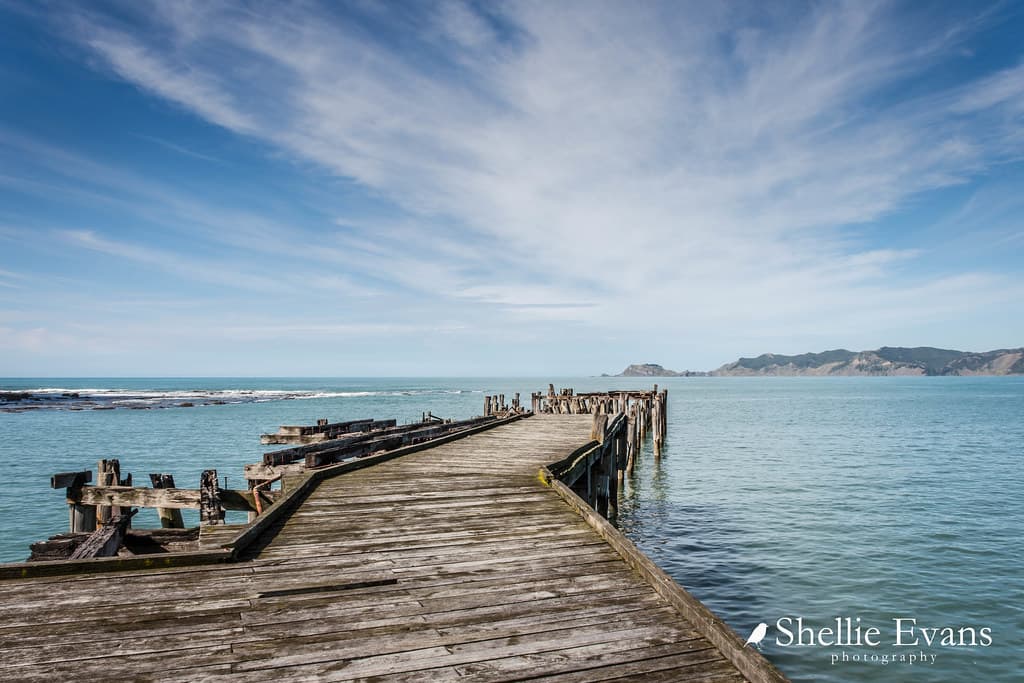
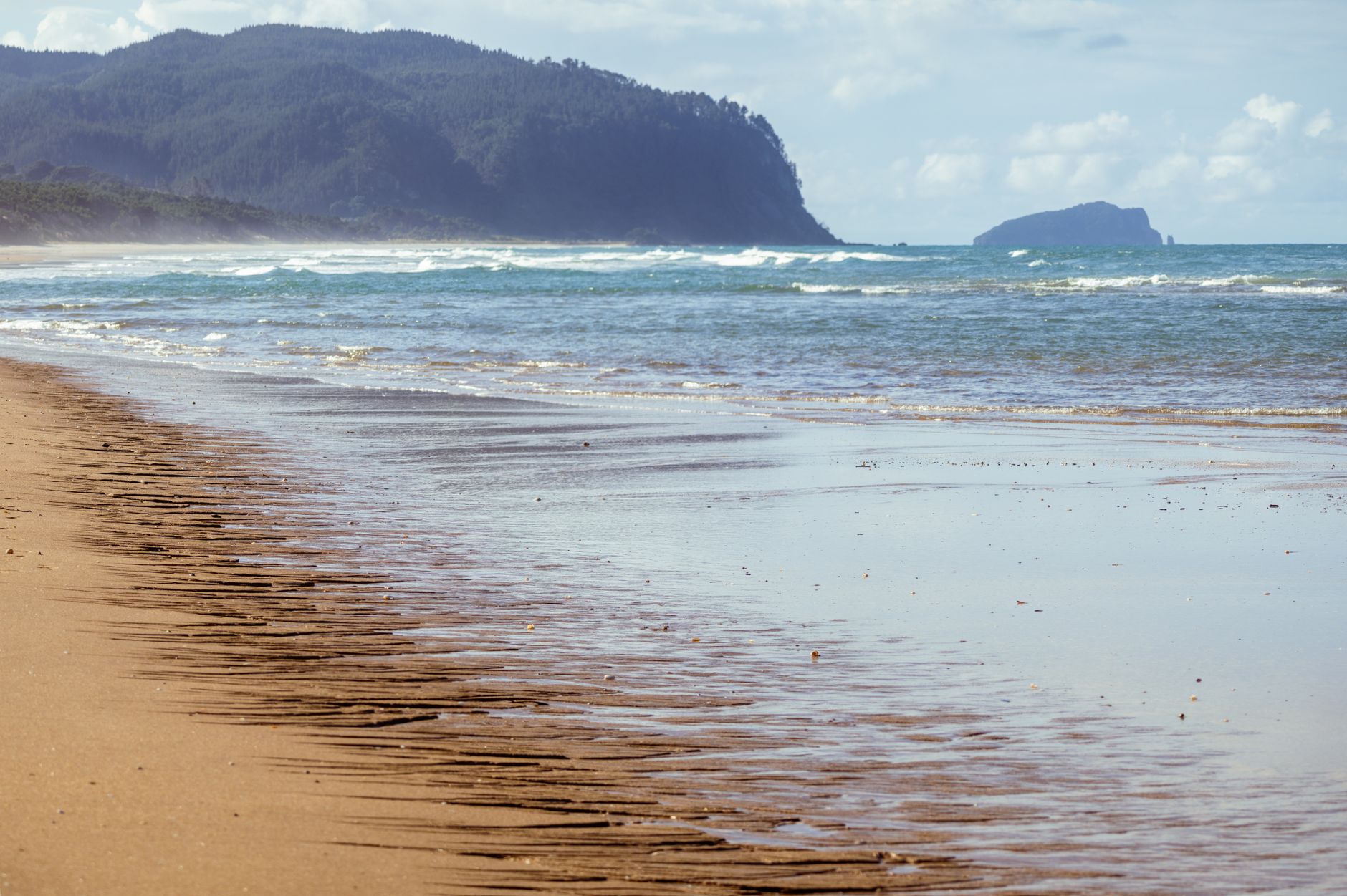
This isn't a beach that welcomes you softly. The iron-rich sand heats under sun until you're hopping toward the water, and the surf pounds relentlessly even on calm days, Pacific swells traveling five thousand miles to spend themselves against this unforgiving shore. Debris lines the high-tide mark—bleached driftwood, fishing floats escaped from nets off Japan, bull kelp stripped from reefs and deposited in tangled heaps that smell of brine and decay. The settlement of Te Puia Springs sits inland, known for its thermal springs rather than its beach access, which means Tuparoa sees few visitors beyond the occasional fisherman launching a boat through the shore break or locals exercising dogs. You walk for hours, the cliffs rising to your left, farmland visible above where sheep graze pasture that stops abruptly at the cliff edge. Gulls and oystercatchers work the wrack line, and if you're quiet and lucky, you might spot a seal hauled out on rocks beyond the northern point. The beach reveals its character through texture—coarse black sand mixed with shell fragments that crunch underfoot, stones rolled smooth by centuries of wave action, the occasional piece of greenstone if you search long enough and know what to look for. Afternoon wind arrives reliably, whipping sand into your shins hard enough to sting, and the surf that looked manageable from the clifftop proves muscular and cold when you wade in, numbing your feet within minutes even through summer.
Places, rentals, tours and events within walking and driving distance of Tuparoa Beach.
Photos
Swimming conditions at Tuparoa Beach can be unpredictable due to its exposed East Coast location. The beach faces the Pacific Ocean and can experience strong currents, swells, and rips, particularly during rougher weather. There are no lifeguard patrols at this remote beach, so swimmers should exercise caution and only enter the water in calm conditions. Always check local weather forecasts before visiting, swim between the flags if any are present, and never swim alone. The rugged character means you should be prepared for variable ocean conditions.
The optimal time to visit Tuparoa Beach is during New Zealand's summer months from December to March, when you'll enjoy the best weather with warmer temperatures and calmer seas. This period also offers longer daylight hours ideal for beach activities and sunbathing. Visiting during shoulder seasons (October-November or April-May) provides fewer crowds and still-pleasant weather, though ocean temperatures will be cooler. Winter months can be quite cold and windy on this exposed coastline. Early mornings typically offer the calmest conditions and most peaceful atmosphere for those seeking solitude.
Tuparoa Beach is accessed via State Highway 35 (the Pacific Coast Highway) that circles the East Cape region. From Gisborne, drive north approximately 100-120 kilometers, which takes roughly 2-2.5 hours depending on road conditions. The route is scenic but winding with some narrow sections, so allow extra time. From Te Puia Springs settlement, follow local roads toward the coast. A vehicle is essential as there's no public transport to this remote area. The roads are generally sealed but can be affected by weather, so check conditions before traveling, especially after heavy rain.
Accommodation and dining options near Tuparoa Beach are extremely limited due to its remote location. Te Puia Springs is a small settlement with basic facilities, so it's advisable to stock up on supplies in larger towns like Tolaga Bay or Tokomaru Bay before arriving. Some visitors opt for camping or holiday homes if available locally. For more comprehensive services, accommodations, and restaurants, you'll need to travel to larger settlements along State Highway 35. Many visitors treat this as a day trip from better-serviced towns or come fully self-sufficient with food, water, and camping equipment.
Tuparoa Beach stands out for its genuinely uncrowded, rugged character that embodies the remote East Cape experience. Unlike more developed beaches, this location offers an authentic sense of isolation and untouched natural beauty, with dramatic coastal landscapes shaped by Pacific swells. The beach reflects the quiet, unhurried pace of small East Coast settlements, providing a true escape from tourist crowds. Its golden sand contrasts beautifully with the wild ocean and green headlands. Visitors appreciate the raw, unpolished nature of the coastline here, where you're more likely to have long stretches of beach entirely to yourself.