Counting the waves…
Counting the waves…

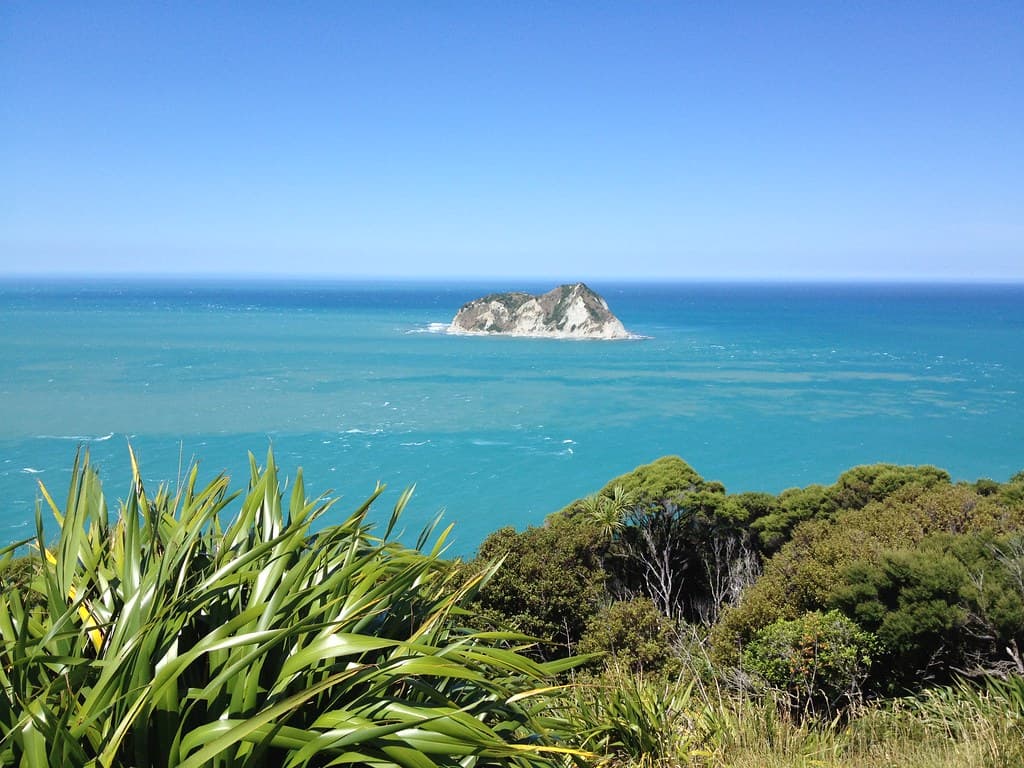
James Cook charted this bay in 1769, noting its sheltered anchorage and freshwater stream. The stream still runs, cutting across the beach where you'll find it cold enough to numb your ankles even in January. The settlement consists of a dozen homes scattered along the hillside, their corrugated iron roofs catching sun, gardens fighting a constant battle against salt wind and possums. You park near the old woolshed and walk down, boots sinking in sand so fine it squeaks. The bay faces northeast, which means mornings arrive luminous and calm before the afternoon sea breeze ruffles the surface into whitecaps. You'll spot stingrays cruising the shallows at high tide, their wings flapping lazy figure-eights through water so clear you count the spots on their backs from twenty feet away. The headlands shelter the bay from southerly storms, but easterly swells wrap around both points, creating a shore break that builds surprisingly hollow given the gentle beach slope. Local legend speaks of a taniwha inhabiting the caves beneath the northern headland—whether you believe the stories or not, the rock pools there teem with kina and pāua at low tide, and the pohutukawa that cling to the cliff face bloom crimson each December, their flowers carpeting the sand like scattered rubies. At dusk, blue penguins return to burrows in the banks, their calls echoing across water gone pewter in the fading light.
Places, rentals, tours and events within walking and driving distance of Waipiro Bay Beach.
Photos
Waipiro Bay Beach can be suitable for families when conditions are calm, though caution is always necessary. The bay setting offers some natural protection from open ocean swells, creating gentler conditions compared to fully exposed beaches. However, there are no lifeguard services at this remote location, so adult supervision is essential at all times. Check weather and surf conditions before swimming, and keep children close to shore in shallow water. The sandy beach makes it easier for young ones to play, but always be aware of changing tides, currents, and unexpected waves. During summer and settled weather, it's generally more family-friendly.
Summer months from December through February offer the best weather conditions at Waipiro Bay Beach, with warmer temperatures and calmer seas ideal for beach activities. This period is also budget-friendly as it's when you'll get the most value from your visit with optimal beach weather. Autumn (March-May) can still provide pleasant conditions with fewer visitors. The remote location means it rarely gets crowded even in peak season. Winter and early spring can be cold and rough, though the dramatic coastal scenery remains beautiful year-round. Plan visits during settled weather patterns for the most enjoyable experience.
Waipiro Bay is located on State Highway 35, the scenic Pacific Coast Highway that circles the East Cape. From Gisborne, drive north approximately 150-170 kilometers (about 2.5-3 hours). From Ruatoria to the north, it's roughly 30-40 minutes south. The highway is mostly sealed but features winding sections with stunning coastal views that require careful driving. There's no public transportation to this remote area, so a private vehicle is necessary. Fill up with fuel in larger towns as services are sparse along this route. The journey itself is spectacular, passing through small settlements and alongside dramatic coastline.
Waipiro Bay has very limited commercial accommodation and dining facilities due to its small size and remote location. Some locally-owned holiday rentals or homestays may be available if booked in advance. The nearest towns with more services are Tokomaru Bay (south) and Ruatoria (north), each about 30-45 minutes away. Most visitors come prepared with their own food and supplies, as shops and restaurants are scarce. Some travelers camp or stay in self-contained accommodations. It's essential to plan ahead and bring provisions from larger towns like Gisborne, especially if visiting for multiple days or during weekends when limited local services may be closed.
Waipiro Bay holds important historical significance as the location where Captain James Cook made his second New Zealand landfall in October 1769 during his Pacific voyage aboard the Endeavour. This encounter between Cook's crew and local Māori was a pivotal moment in New Zealand's European contact history. The bay has deep cultural importance for local iwi (Māori tribes) who have inhabited this region for centuries. The area between Tokomaru Bay and Ruatoria was historically significant for Māori settlements and trade. Today, Waipiro Bay remains a quiet, authentic place where visitors can reflect on this layered history while experiencing the remote beauty of the East Cape coastline.