
Counting the waves…
Counting the waves…

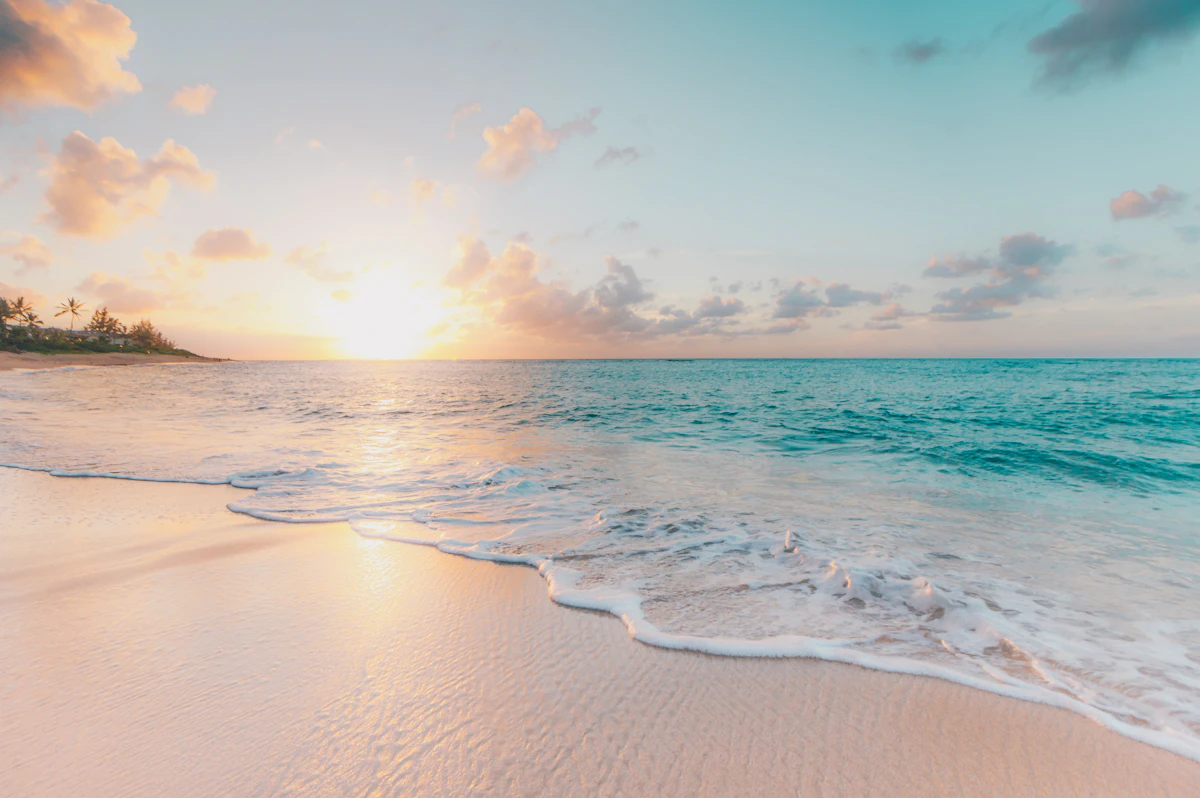
Tokomaru Bay's beach is a study in contrasts—the natural beauty of the shoreline holding steady against the slow fade of human infrastructure behind it. The sand arcs from headland to headland in a textbook crescent, fine-grained and pale gold, backed by low dunes where spinifex and lupins hold the shifting grains in place. Waves roll in with pleasant regularity, their size dictated by swell direction and wind, breaking in shore-dump thumps during big southerly swells or unfolding as gentle runners when the ocean settles into summer calm. The Mangahauini Stream bisects the beach, wandering across the flats in braided channels that shift with each flood. At low tide, the streambed becomes a network of warm, shallow pools where children crouch to catch bullies and watch sandflies hatch. North of the stream, the beach widens further, stretching toward a rocky point where dedicated fishermen cast for kahawai and snapper. South, the sand narrows against a low bluff, and at high tide the waves push almost to the grass. Above the beach, Tokomaru Bay itself sits quiet—a main street of heritage buildings in various states of restoration and neglect, testimony to a century ago when the freezing works employed hundreds and coastal ships called regularly. Now the population hovers around 500, sustained by farming, fishing, and a trickle of travelers. The derelict freezing works, its rusted gantries dramatic against the sky, has become an accidental monument and photographer's favorite, though locals debate its future: restore it or finally tear it down.
Places, rentals, tours and events within walking and driving distance of Tokomaru Bay Beach.
Photos
Tokomaru Bay Beach offers reasonably safe swimming conditions during calm summer weather, particularly in the more sheltered parts of the bay. However, as an unpatrolled beach, swimmers should exercise standard ocean safety precautions. Check conditions before swimming, stay close to shore, be aware of currents and tides, and never swim alone. The beach can experience surf and rips during rougher weather or storms. The bay's semi-sheltered nature provides some protection from large swells. Families should supervise children closely. Local knowledge can be helpful, so ask at accommodation providers about current conditions.
Summer (December-March) is the best time to visit Tokomaru Bay Beach for swimming and sunbathing, offering warm temperatures and generally calmer seas. The bay is beautiful during these months with excellent conditions for beach activities. Shoulder seasons in late spring (November) and autumn (March-April) provide pleasant weather with fewer visitors, making them ideal for those seeking a quieter experience at lower costs. The beach and historic township are atmospheric year-round, and photographers appreciate the dramatic light in any season. Winter brings cooler weather and rougher seas but remains scenic for coastal walks.
Tokomaru Bay Beach is located on State Highway 35 approximately 90 kilometers north of Gisborne along the Pacific Coast Highway. The scenic drive takes about 1 hour and 15 minutes through coastal landscapes. There's no public transport to Tokomaru Bay, so you'll need your own vehicle. The highway is sealed but winding in places, requiring careful attention. Once you reach the township, the beach is easily accessible with parking available near the waterfront. Make sure to refuel in Gisborne before heading north, as fuel stations become sparse along the East Cape route.
Tokomaru Bay is a small township with limited but authentic facilities. There's a general store for basic supplies, and Te Puka Tavern offers pub meals and accommodation. A few holiday homes and baches are available for rent through various booking platforms. The historic Commercial Hotel, though not always operational, is a notable building. Facilities are basic and reflect the town's small population and heritage character. For more dining variety, Gisborne (90km south) has extensive options. Most visitors appreciate the remote, authentic feel of staying in Tokomaru Bay, but booking ahead is essential, especially during summer.
Tokomaru Bay is notable for its atmospheric heritage buildings that tell stories of early 20th-century prosperity when it was a thriving freezing works town. The remnants of the old wharf, historic hotels, and weathered commercial buildings create a unique time-capsule quality. While some structures are derelict, they contribute to the bay's authentic, unspoiled character that appeals to photographers and history enthusiasts. The sweeping bay itself offers classic East Cape coastal scenery with wide sand beaches and dramatic headlands. This combination of natural beauty and faded heritage creates a distinctive, melancholic charm unlike more developed beach destinations.