
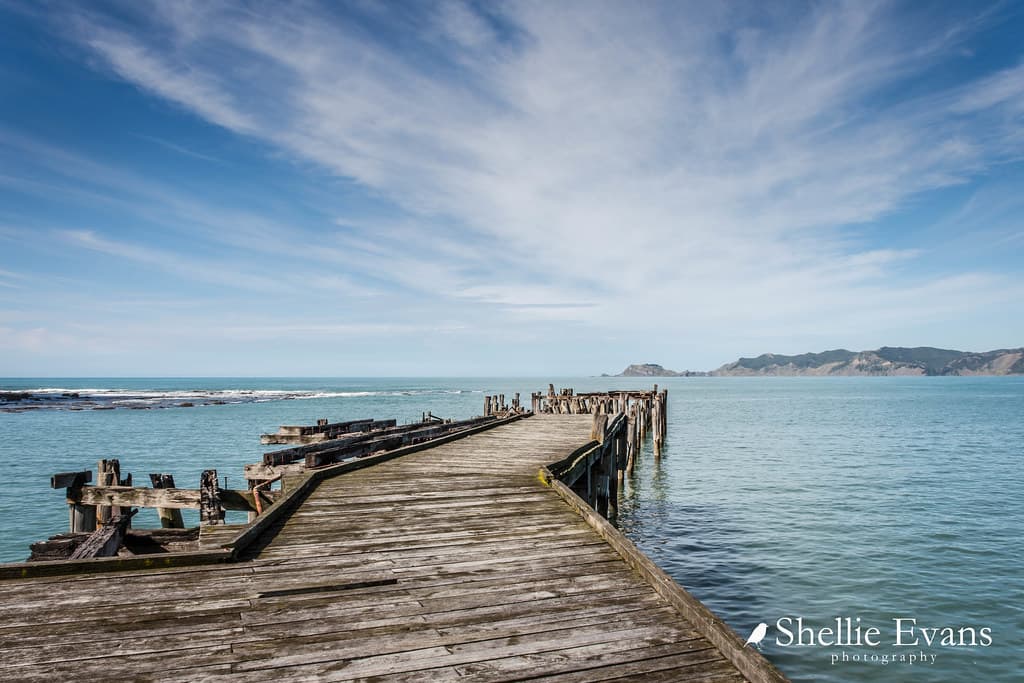
James Cook charted this bay in 1769, noting its sheltered anchorage and freshwater stream. The stream still runs, cutting across the beach where you'll find it cold enough to numb your ankles even in January. The settlement consists of a dozen homes scattered along the hillside, their corrugated iron roofs catching sun, gardens fighting a constant battle against salt wind and possums. You park near the old woolshed and walk down, boots sinking in sand so fine it squeaks.
“This is one of the few East Cape bays still accessible by road yet genuinely uncrowded, offering the solitude of remote beaches without the four-wheel-drive adventure to reach them.”
 Credit: Flickr
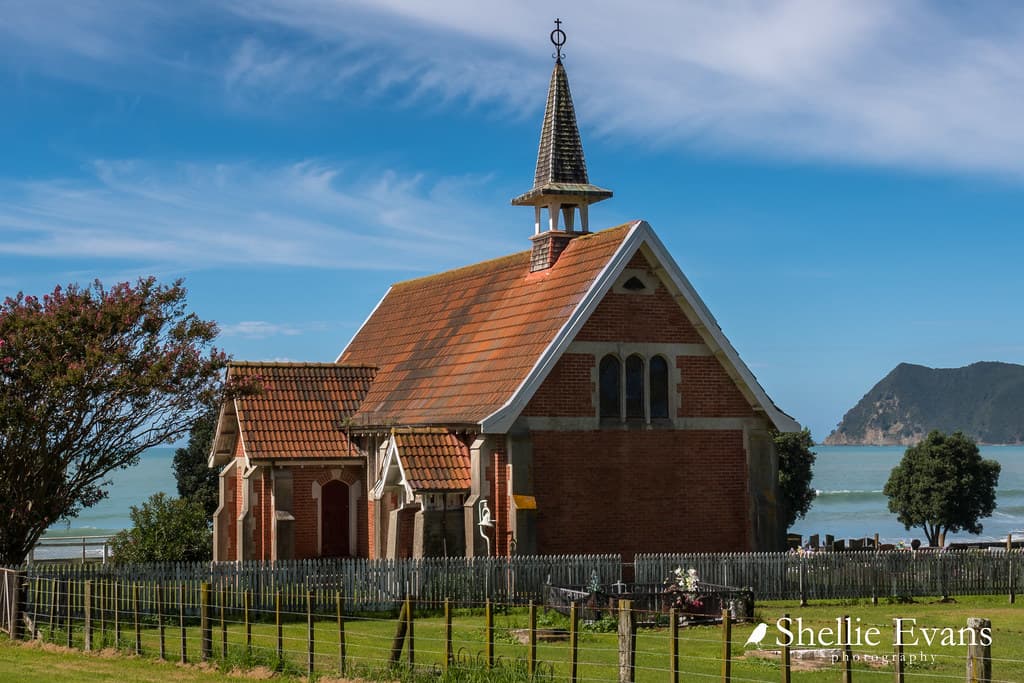
St Abraham's Church, Waipiro Bay, East Coast
The bay faces northeast, which means mornings arrive luminous and calm before the afternoon sea breeze ruffles the surface into whitecaps. You'll spot stingrays cruising the shallows at high tide, their wings flapping lazy figure-eights through water so clear you count the spots on their backs from twenty feet away. The headlands shelter the bay from southerly storms, but easterly swells wrap around both points, creating a shore break that builds surprisingly hollow given the gentle beach slope.
Local legend speaks of a taniwha inhabiting the caves beneath the northern headland—whether you believe the stories or not, the rock pools there teem with kina and pāua at low tide, and the pohutukawa that cling to the cliff face bloom crimson each December, their flowers carpeting the sand like scattered rubies. At dusk, blue penguins return to burrows in the banks, their calls echoing across water gone pewter in the fading light.


