Counting the waves…
Counting the waves…
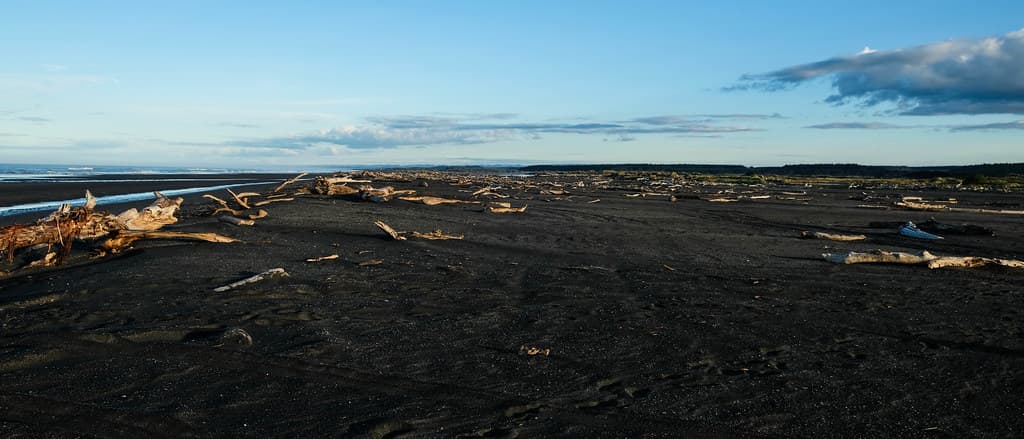
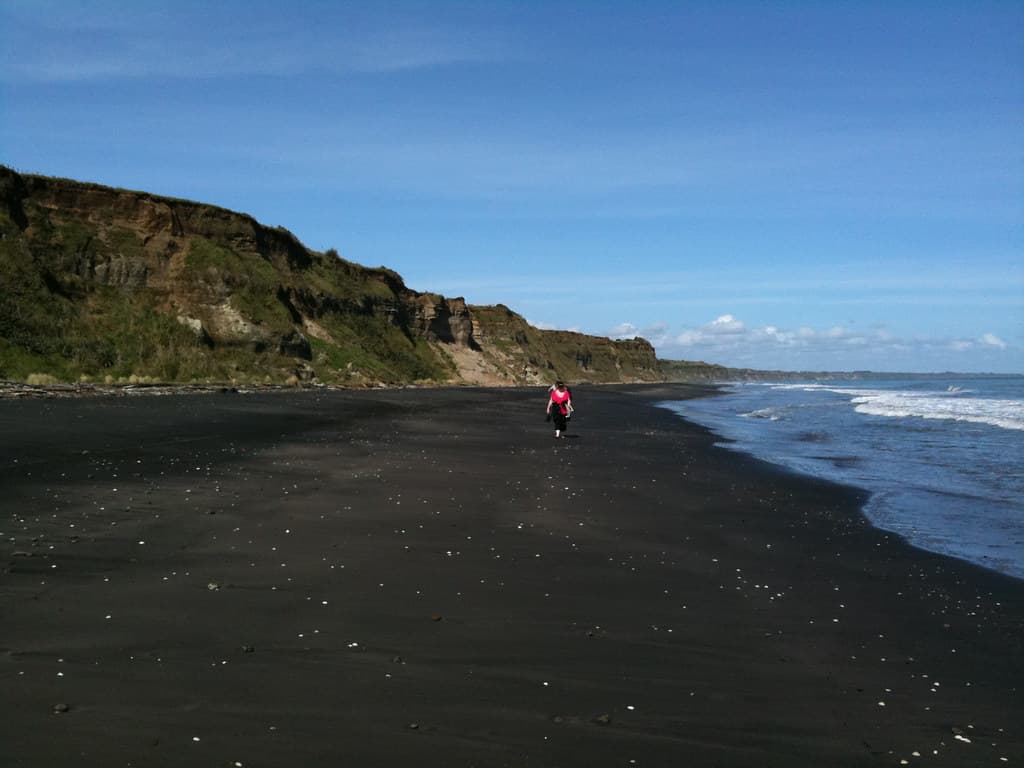
The dunes at Koitiata defy easy description. They roll inland in successive crests, some reaching twenty meters, sculpted by prevailing westerlies into shapes that shift annually. Marram grass stitches their flanks; bare sand faces glitter in afternoon sun. Walking them requires effort—your feet sink with each step, and the scale only becomes apparent when you crest a ridge and see three more ranges beyond. The beach itself spreads wide and empty, dark sand meeting white foam in a line that extends beyond sight in both directions. The settlement barely qualifies as such—a scattering of baches, no shop, no services. People come prepared or they don't come at all. The isolation is the point. You hear waves constantly, a thundering backdrop that never quite fades. The Tasman runs cold and powerful; swimming requires respect for rips and shore dump. At low tide, the hard sand stretches far enough for vehicles, though most visitors simply walk, covering kilometers without encountering footprints beyond their own. Sunsets here carry a weight they lack elsewhere—the sun drops into the ocean with nothing between you and the curve of the Earth. The light turns the dunes rose and gold, the water mercury and slate. Seabirds wheel in updrafts; occasionally, you'll spot dolphins beyond the break. This is New Zealand's west coast at its most elemental: sand, sea, sky, and the humbling realization of your own insignificance against geological time.
Places, rentals, tours and events within walking and driving distance of Koitiata Beach.
Photos
Koitiata Beach is a remote, unpatrolled west coast beach with often challenging conditions. Strong currents, rips, and powerful surf are common, making it suitable only for confident, experienced swimmers. The exposed location means conditions can change rapidly and become dangerous quickly. Swimming is generally not recommended, especially for families with children. The beach is better suited for walking, surfing (for experienced surfers), and enjoying the dramatic scenery. Always check conditions carefully, never swim alone, and exercise extreme caution if entering the water.
Koitiata Beach can be visited year-round, with each season offering different experiences. Summer provides the most comfortable weather for exploring the wild dunes and beach walks, though afternoons can be windy. Autumn and spring offer milder conditions with fewer visitors, ideal for photography and solitude. Winter showcases the beach's dramatic character with powerful seas and striking cloud formations. Due to its remote, exposed nature, calm weather days are preferable. Early morning typically offers the calmest conditions and best light for experiencing the beach's big horizons.
Koitiata Beach is located on the remote Rangitīkei coast, accessed via Koitiata Road from State Highway 3 near Bulls. The journey involves sealed roads followed by unsealed roads for the final approach. From Bulls, it's approximately 30-40 minutes' drive. From Whanganui, it takes about 45 minutes. The access roads can be rough and may be challenging in wet conditions, so a sturdy vehicle is advisable. There is no public transport to this remote location. Parking is available near the settlement and beach access points.
Koitiata is an extremely small, remote settlement with virtually no commercial facilities. There are no shops, cafes, or restaurants, so visitors must bring all necessary supplies including food, water, and emergency provisions. Accommodation options are very limited, primarily consisting of a few private holiday homes. The nearest towns with services are Bulls and Whanganui, both 30-45 minutes away. Due to the remote nature, visitors should be self-sufficient and prepared for limited access to amenities. This remoteness is part of the beach's wild appeal.
Koitiata Beach offers one of New Zealand's most wild and unspoiled coastal experiences, with massive sand dunes and vast, empty horizons characteristic of the west coast. The sense of remoteness and solitude is profound, appealing to those seeking escape from crowds and development. The dramatic dunescapes are spectacular for photography and exploration. The big skies create stunning sunsets and ever-changing weather patterns. The beach's isolation has preserved its natural character, offering an authentic wilderness coastal experience increasingly rare in accessible locations. It's ideal for contemplative walks and connecting with nature's raw power.