Counting the waves…
Counting the waves…
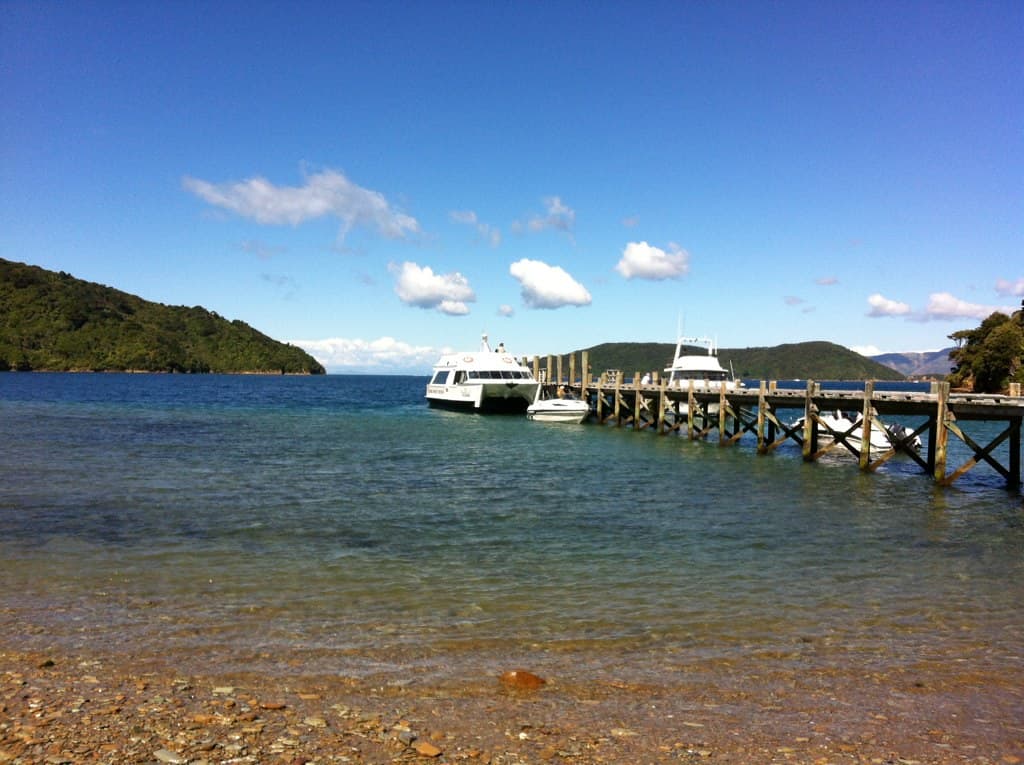
The small fleet of dinghies tied to Bulwer's weather-beaten jetty tells you everything about this place: nobody arrives by accident. You step ashore onto a beach of rounded stones, smooth from centuries of tidal tumbling, while the settlement's handful of holiday homes peer through stands of native beech and kanuka. The air smells of salt and sun-warmed timber, carried on breezes that funnel through the outer Pelorus Sound. A rough track winds above the shoreline, revealing glimpses of the channel where sailboats lean into the afternoon wind. Below, the beach curves in a gentle arc, its stones ranging from dove-grey to rust-brown, interrupted by the occasional bleached driftwood log. At low tide, exposed rocks wear slick coats of kelp, and you'll spot periwinkles clustering in tidal pools. The sense of isolation here isn't absolute—you'll share the bay with a few fishermen checking craypots and perhaps a water taxi dropping supplies—but it's profound enough to recalibrate your sense of time. Evenings settle with the kind of stillness that makes the splash of a diving shag sound theatrical. When your boat returns to collect you, you'll leave with salt-stiffened hair and the distinct feeling that you've glimpsed a New Zealand most travelers never find.
Places, rentals, tours and events within walking and driving distance of Bulwer Beach.
Photos
Bulwer Beach is generally safe for swimming thanks to its cove location in outer Pelorus Sound, which provides natural shelter from strong currents and large waves. The protected waters are typically calm, making it suitable for most swimmers. However, water temperatures can be cool, particularly outside summer months. As with all remote beaches, there are no lifeguards or rescue services nearby, so swim cautiously and within your abilities. Always supervise children and be mindful of boat traffic in the area, as this is a boat-access settlement.
The optimal time to visit Bulwer Beach is during New Zealand's summer season (December through February) when weather is warmest and water temperatures most comfortable. These months offer the best conditions for swimming and water activities. However, the shoulder seasons of late spring and early autumn provide fewer visitors while maintaining pleasant conditions for exploring. The beach can be visited year-round given its sheltered cove position, though winter months will be cooler and quieter. Consider your preference for weather versus solitude when planning your visit.
Bulwer Beach is accessible only by boat, as there is no road access to this settlement in outer Pelorus Sound. Visitors typically arrive via private boat or water taxi services operating from Havelock, the main hub for this part of the Marlborough Sounds. The journey time varies depending on your departure point and boat speed. If you don't have your own vessel, arrange water taxi transport in advance from Havelock. Ensure you confirm return pickup times, as this is a small settlement with limited services and no alternative transport options.
Bulwer is a small boat-access settlement with very limited facilities. While there may be basic accommodation options in the settlement itself, availability is limited and should be booked well in advance. There are no restaurants or shops, so visitors should bring all necessary food and supplies from Havelock or Picton before departing. Some visitors stay on their boats in the bay. For full dining and lodging services, the nearest town is Havelock, which requires boat travel. Self-sufficiency is essential when visiting this remote location.
Bulwer Beach is unique as one of the few remaining boat-access-only settlements in the Marlborough Sounds, offering an authentic off-grid coastal experience. The beach's location in outer Pelorus Sound provides stunning scenery with bush-clad hills meeting calm waters. Its isolation and cove setting create exceptional tranquility rarely found in more accessible locations. The settlement itself represents a glimpse into traditional Sounds living, where residents rely entirely on boats for access. This combination of natural beauty, remoteness, and living heritage makes Bulwer particularly special for those seeking genuine wilderness and solitude.