Counting the waves…
Counting the waves…
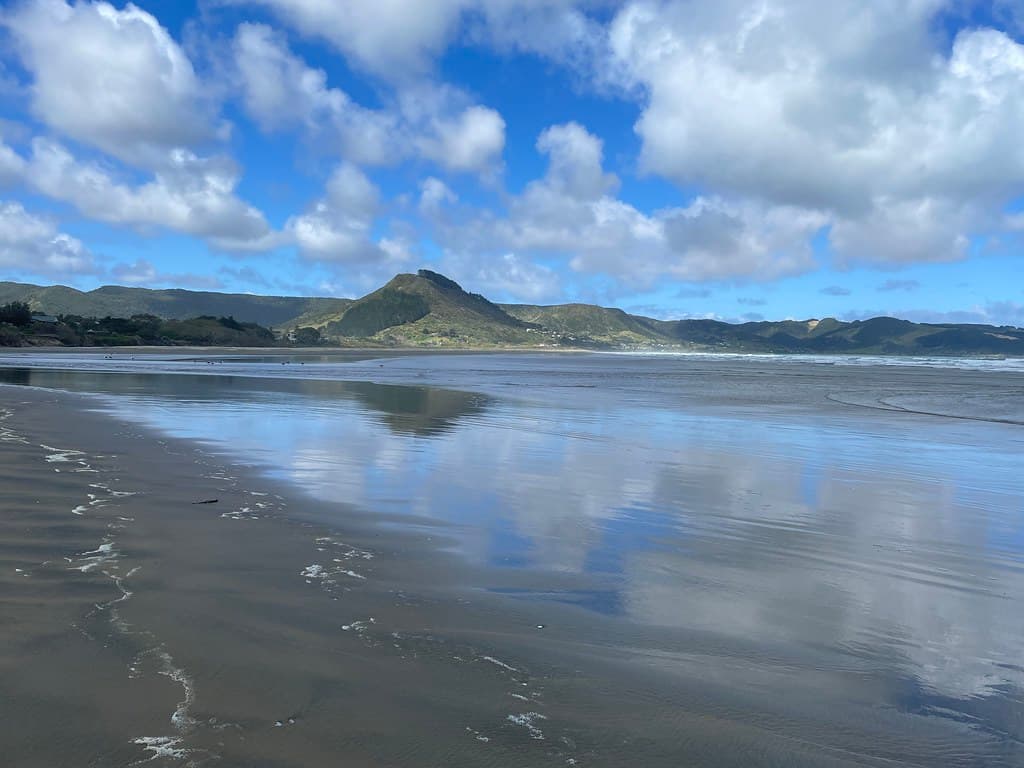
Ahipara marks the southern terminus of Te Oneroa-a-Tōhē, the beach known inaccurately as Ninety Mile Beach that actually runs about sixty miles north. But you're not here for geography lessons—you're here because the waves at Ahipara break with Tasman Sea power, the beach catches swells from every westerly direction, and the sand runs firm enough to drive on if you know the tides. The color is different from Northland's eastern bays—more gold than white, the sand mixed with iron that leaves rust-colored foam at the tideline. Surfers cluster near the Ahipara township end, where the reefs off Shipwreck Bay and Reef Break offer more definition than the beach breaks stretching north. The waves here can hold size—six feet, eight feet, bigger on large swells—but they're forgiving enough for intermediates when conditions clean up. Families swim closer to the rock pools near the southern headland, where the reef creates calmer water and the surf eases. But most of Ahipara is dedicated to the straight goods: long, powerful beach breaks and the kind of space that makes you feel small. Sunset here is a daily event, the Tasman swallowing the sun in orange and red that stains the wet sand and paints the breaking waves. You can drive north onto Ninety Mile Beach from here, following the firm sand between tides, but most people just park at the southern end and walk until they've had enough—twenty minutes, an hour, sometimes more. The beach absorbs crowds; even on busy days, walk five minutes and you'll claim empty sand.
Places, rentals, tours and events within walking and driving distance of Ahipara Beach.
Photos
Ahipara Beach is primarily a surf beach with waves suitable for experienced swimmers and surfers. The beach can have strong currents, rips, and powerful surf, making it less ideal for young children or weak swimmers. Lifeguard patrols operate during summer weekends and holidays at the main beach area—always swim between the flags when available. Surfers will find consistent waves, but beginners should take lessons or surf in calmer conditions. Check surf reports and local conditions before entering the water.
Ahipara Beach can be visited year-round, offering different experiences each season. Summer (December-February) provides warmest weather for swimming and sunbathing, though it can be busier. Autumn and spring offer excellent surfing conditions with fewer crowds and mild temperatures. Winter brings bigger swells for experienced surfers but cooler weather. Sunsets are spectacular any time of year, as the beach faces west. For the best overall experience combining weather, surf, and fewer visitors, consider visiting during shoulder seasons in late spring or early autumn.
Ahipara Beach is located on the west coast of Northland, approximately 14 kilometers west of Kaitaia via State Highway 1 and Ahipara Road. The drive from Kaitaia takes about 15 minutes. From the Bay of Islands (Paihia), it's roughly 90 minutes (110 kilometers) via SH1. Auckland is about 4.5 hours south. The roads are sealed and well-maintained. Parking is available along the beachfront and near the main access points. No public transport serves Ahipara, so a vehicle is necessary.
Ahipara village offers several accommodation options including holiday parks, motels, backpackers, and rental homes suitable for various budgets. The small township has a general store, fish and chip shop, and a couple of cafes and takeaway options for meals. For more extensive dining and shopping, Kaitaia (15 minutes away) has supermarkets, restaurants, and additional services. Many visitors stay in self-contained accommodation and prepare their own meals. Booking ahead is recommended during summer holidays and long weekends.
Ahipara Beach marks the southern access point to Ninety Mile Beach, and vehicle access onto the sand is possible from designated entry points near the Ahipara end. A 4WD vehicle is strongly recommended, and driving is only safe during the two hours either side of low tide. Regular vehicles can get stuck or damaged. Check tide times before attempting beach driving. Most rental car agreements prohibit beach driving, and insurance may not cover incidents on the sand. Alternative tour operators offer guided trips along Ninety Mile Beach.