Counting the wavesβ¦

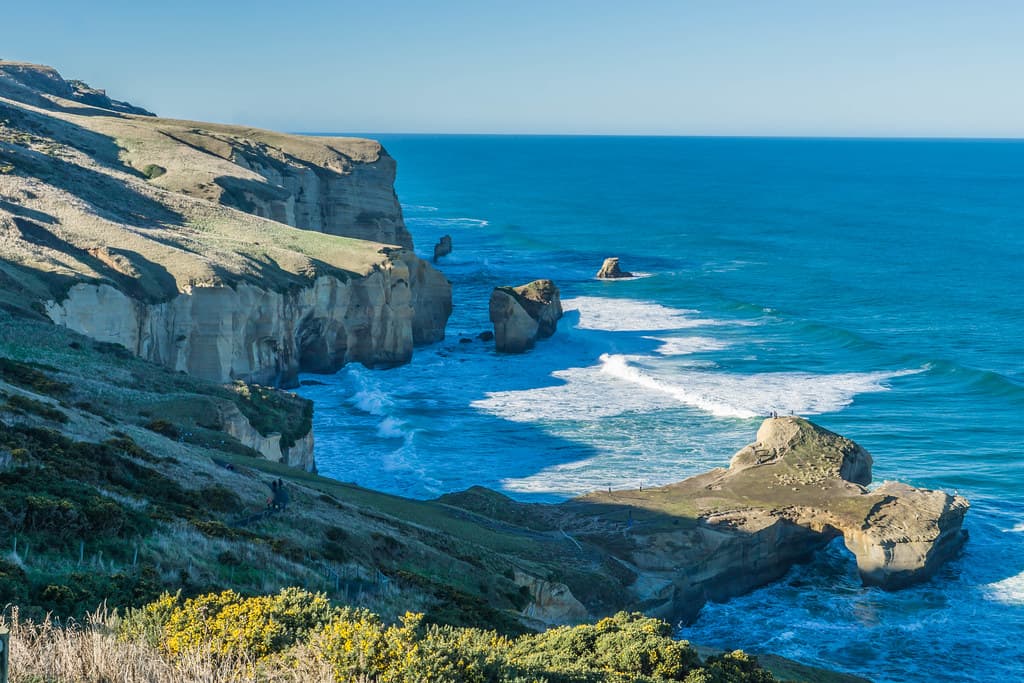
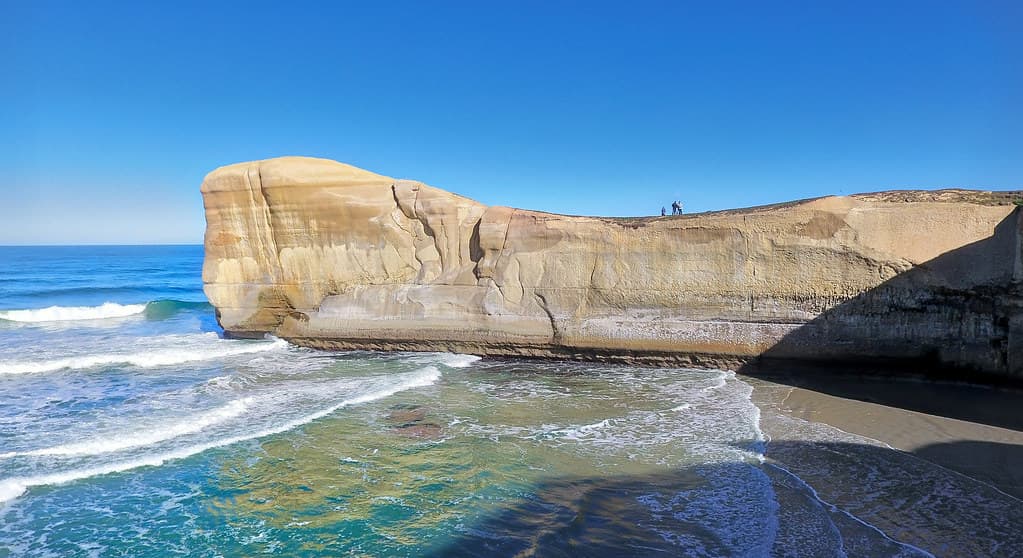
Blackhead Beach takes its name from the dark volcanic headland that anchors its southern end, where hexagonal basalt columns rise from the surf like architecture designed by slow-cooling magma. The beach itself is part sand, part rock platform, the kind of shore that changes character with each tide. At low water you can walk across exposed reefs where anemones pulse in tide pools and kelp lies in slick tangles. At high tide the ocean reclaims everything, waves detonating against the basalt in white explosions that send spray twenty meters up the cliff face. The sand is iron-dark in places, heavy with volcanic minerals that give the beach a weight underfoot different from the pale quartz strands up the coast. Driftwood lies scattered above the high-tide lineβmassive logs stripped of bark and bleached grey by salt and sun, some large enough to shelter behind when the wind turns onshore. The coastal walking track runs along the clifftop above, offering views down to the beach and out across the South Pacific's restless surface. Surfers dot the lineup on good days, shortboards slicing across faces that wall up against the offshore reefs. The beach break closer to shore offers less consistent shape but more forgiving consequences when you misjudge a wave. Sea lions occasionally haul out on the rocks at the north end, massive bulls that claim their territory with guttural bellows you can hear over the surf. The sunset light here turns the basalt gold-orange, briefly softening stone that has stood against the ocean for millions of years.
Places, rentals, tours and events within walking and driving distance of Blackhead Beach.
Photos
Swimming at Blackhead Beach requires caution due to its rocky nature and unpredictable surf conditions. The basalt rock formations create uneven ocean floors and potential hazards. Strong currents and cold water temperatures are common along this part of the Otago coast. There are no lifeguards on duty, and facilities are minimal. The beach is more suitable for experienced surfers and coastal walkers than casual swimmers. Always check weather and tide conditions before entering the water, and never swim alone.
The best time to visit Blackhead Beach is during New Zealand's summer months (December to February) for the most favorable weather conditions and longer daylight hours. However, visiting during shoulder seasons (spring and autumn) offers fewer crowds while still providing decent weather for coastal walks and photography. Early mornings and late afternoons are ideal for sunset viewing and avoiding any day visitors. Winter visits can be dramatic but expect strong winds and cold temperatures. Weekdays are generally quieter than weekends.
Blackhead Beach is located approximately 20 kilometers south of central Dunedin. Drive south on State Highway 1, then turn onto Blackhead Road. The journey takes roughly 25-30 minutes by car. The road is sealed and suitable for most vehicles, though the final approach can be winding. Limited parking is available near the beach access points. Public transport options are minimal, so a private vehicle is recommended. The coastal road offers scenic views along the way, making the drive itself enjoyable.
Blackhead Beach is a relatively undeveloped area with limited immediate facilities. The nearby Blackhead settlement has a few holiday homes but minimal commercial accommodation. For restaurants, cafes, and comprehensive lodging options, visitors typically return to Dunedin, which offers a full range of hotels, motels, hostels, and dining establishments. Some visitors stay in nearby coastal communities or book holiday rentals in the area. It's advisable to bring your own food and water when visiting for the day, as there are no shops or cafes directly at the beach.
Blackhead Beach stands out for its dramatic basalt cliff formations and rugged coastal character. The dark volcanic rock creates a striking contrast against the ocean and gives the beach its name. The area offers excellent coastal walking tracks with elevated viewpoints overlooking the Pacific Ocean. It's a popular surf spot for those seeking less crowded waves compared to more accessible beaches. The remote feeling and raw natural beauty attract photographers and nature enthusiasts. The combination of rocky outcrops, potential wildlife sightings, and authentic local atmosphere makes it distinctly different from Dunedin's more developed beaches.