Counting the waves…
Counting the waves…
A refined fusion of water purity, environmental stability, and communal vibrancy for St Clair Beach.
View MethodologyAnalyzed via live sensors and environmental data.
Wave height, wind, and atmospheric stability.
Live footfall and crowd balance metrics.
Community reviews and curated sentiment.
“St Clair is the city's pulse made visible—a sweep of charcoal sand where university students paddle out beside retirees, where the hot saltwater pool steams against the cold Pacific, and where the whole town watches the…”
Higher weekend density may affect water purity and crowd scores temporarily.
You descend the Esplanade steps and the wind lifts the smell of kelp and coffee from the beachfront cafés. St Clair spreads before you in a muscular curve, the sand dark and heavy, the surf breaking in thick, grey-green walls that draw surfers like magnets. Even in winter, there are wetsuits in the water. Even in summer, the water is cold enough to make your breath catch.
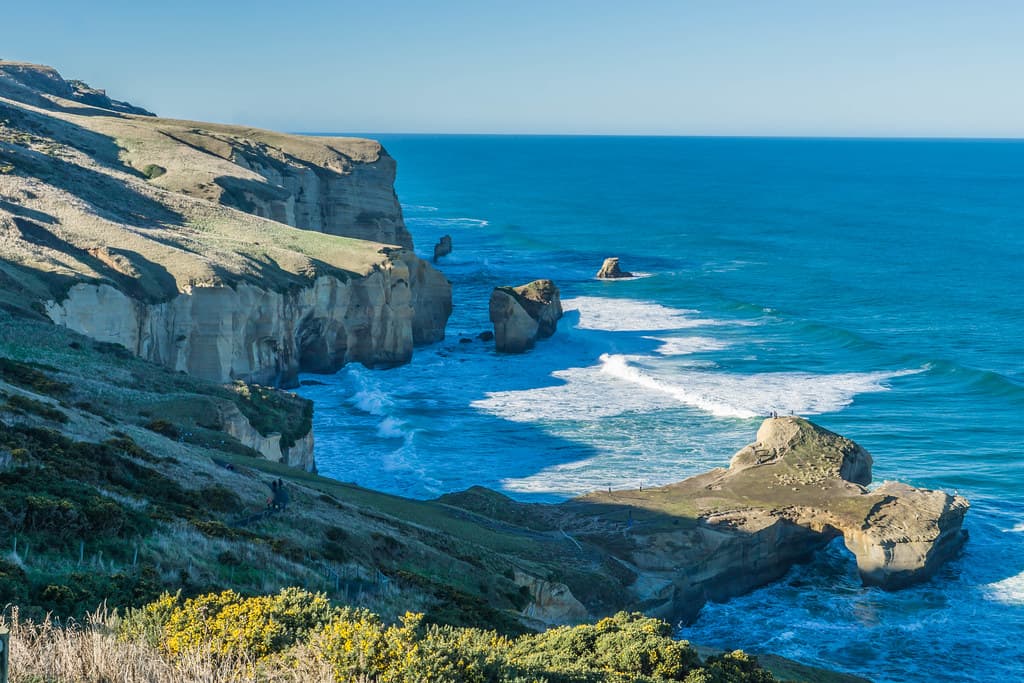
The beach anchors Dunedin's coastal identity. To the south, the headland rises toward Lawyers Head and the coastal track that winds to Tunnel Beach. To the north, the red-roofed houses of St Clair and St Kilda climb the hillside, their windows reflecting the afternoon light. At low tide, the sandstone reef emerges in dark, barnacled shelves, and kids crouch in the tidepools hunting crabs. The hot saltwater pool perches at the beach's edge, its Art Deco lines softened by decades of salt and spray.
 Credit: Unsplash
landscape photography of seashore and cave
 Credit: Unsplash
A moody beachscape under a cloudy sky
Consistent Southern Ocean swells
Heated, ocean-filled, iconic
Coffee with swell-watching
Prime Visitation
Anytime|Best Weather
Where it is
St Clair Beach
Dunedin, Otago, New Zealand
-45.911300°, 170.488600°
Weather
Loading…
Swell
—
Temp
Warm · Restorative
UV Index
Moderate
Wind
—
Tidal State
Last known
Max Sunlight
—
Ideal Shade
—
Jan - Dec (Peak)
Mar - Nov (Off-season)
Historical data suggests peak visibility and stable sea temperatures occur during the prime visitation window.
Near St Clair Beach
Explore dining, stays, nightlife, and activities near St Clair Beach in Dunedin, New Zealand. Every listing below is a real place linked to this beach — open a card for reviews, maps, and booking options.
Food, cafés, and dining close to St Clair Beach — curated from places linked to this beach.
Stays and lodging options near St Clair Beach for your beach trip.
Bars and evening spots near St Clair Beach.
Activities, tours, and attractions near St Clair Beach.
Select a category to load nearby places.
Unlock restaurants, luxury stays and curated maritime experiences within 2km
St Clair Beach is patrolled by surf lifeguards during summer months (typically late October through Easter weekend), making it Dunedin's safest beach for swimming. Always swim between the red and yellow flags when lifeguards are on duty. The beach can have strong rips, dumping waves, and cold water temperatures year-round, so swimming outside patrolled times and areas requires experience and caution. Check the surf report and conditions before entering the water. Even experienced swimmers should respect the powerful Southern Ocean conditions.
St Clair Beach is worth visiting year-round for different experiences. Summer (December-February) offers the warmest weather, patrolled swimming areas, and vibrant esplanade atmosphere with cafes bustling. However, Dunedin's weather can be unpredictable any season. Autumn provides beautiful light and fewer crowds while still offering reasonable temperatures. Winter and spring attract dedicated surfers seeking bigger swells. For the best weather, visit during settled high-pressure systems. Early mornings provide stunning light regardless of season and are popular with photographers and walkers.
St Clair Beach is approximately 4 kilometers south of Dunedin's city center, easily accessible by car, bus, or bicycle. Several bus routes connect the city to St Clair, with the journey taking about 15-20 minutes. Parking is available along the Esplanade and nearby streets, though it can be busy during summer weekends. Cycling takes about 20 minutes via coastal routes. Walking from the Octagon takes roughly 45 minutes. The beach is well-signposted and easy to find, making it Dunedin's most accessible beach.
St Clair's Esplanade features several popular cafes and restaurants with ocean views, including options for breakfast, lunch, and dinner. The area has casual fish and chips shops, cafes serving specialty coffee, and restaurants for more formal dining. Accommodation includes beachfront motels, holiday apartments, backpackers, and upscale hotels, mostly along or near the Esplanade. Dunedin city center, just minutes away, offers extensive dining and lodging options. The Salt Water Pool complex nearby has a cafe and provides additional amenities for beach visitors.
St Clair Beach combines excellent surf, urban convenience, and iconic New Zealand beach culture, making it Dunedin's most famous coastal destination. The historic Esplanade, heated saltwater pool, and established surf scene create a distinctive atmosphere. The beach has been central to Dunedin beach culture for generations, with strong local recognition and visitor appeal. Its consistent surf attracts dedicated wave riders year-round. The combination of quality waves, lifeguard patrols in summer, nearby cafes, and proximity to the city creates a complete beach experience unavailable at Dunedin's other coastal spots.
Photos