Counting the waves…
Counting the waves…
A refined fusion of water purity, environmental stability, and communal vibrancy for Akatore Beach.
View MethodologyAnalyzed via live sensors and environmental data.
Wave height, wind, and atmospheric stability.
Live footfall and crowd balance metrics.
Community reviews and curated sentiment.
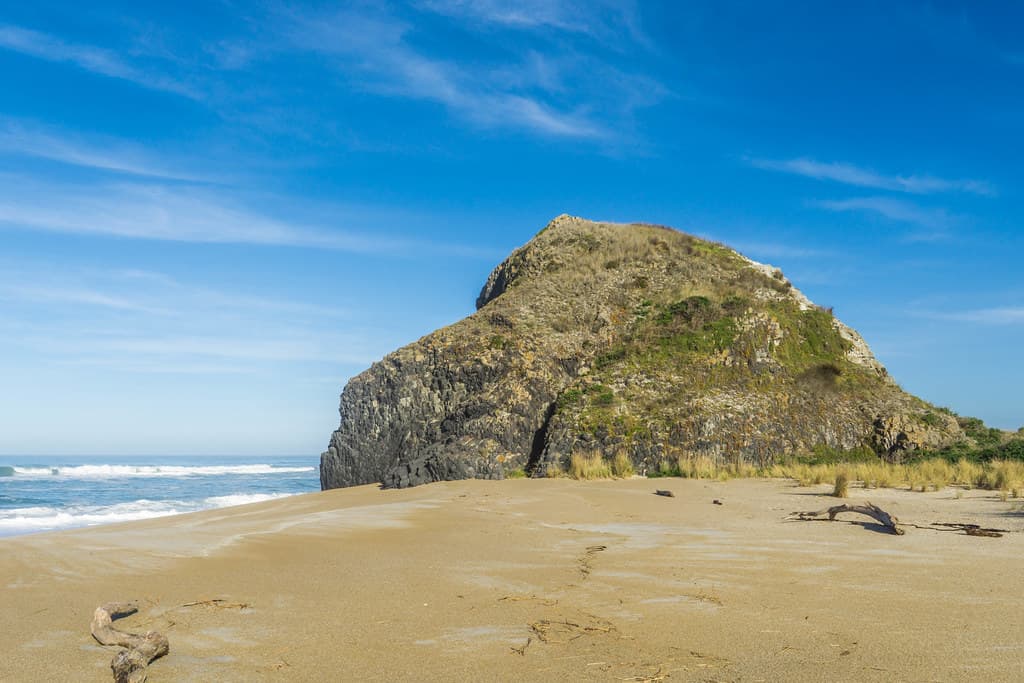
“You'll pull off the gravel coast road to find this beach extending in both directions with no other vehicles in sight. The sand runs firm and dark, scattered with bleached driftwood and kelp holdfasts the size of fists.”
Limited recent visitor reports — live OBI telemetry is your best guide for current conditions.
Akatore stretches along the Otago coast in relative anonymity despite fronting the main coastal highway. The beach arcs gently between rocky headlands, backed by marram grass and lupins that have colonized the dune system. A small gravel carpark marks the access—no facilities, no signage beyond a faded DOC marker. You'll cross a narrow footbridge over a tidal creek where paradise shelducks dabble in the shallows, then drop onto sand the color of gunmetal.
The southern latitude and exposure create consistent surf, usually a messy three to five feet churning over sandbars that shift with every storm. The peaks lack definition but the waves keep coming, set after set marching in from Antarctic fetches. Water temperature hovers around twelve degrees Celsius in summer, colder when southerly fronts push through. Local surfers from Dunedin make the forty-minute drive for uncrowded sessions, but most days you'll count more seals than people. At low tide, tide pools collect in the rocky shelves at either end, harboring anemones and small wrasse.
 Credit: Unsplash
brown wooden bench on seashore during daytime
 Credit: Unsplash
green grass field near body of water during daytime
Shifting sandbars and seals
Driftwood and westerly light
Empty beach for kilometers
Prime Visitation
Best Weather|Less Crowds
Where it is
Akatore Beach
Taieri Mouth, Otago, New Zealand
-46.126100°, 170.087600°
Weather
Loading…
Swell
—
Temp
Warm · Restorative
UV Index
Moderate
Wind
—
Tidal State
Last known
Max Sunlight
—
Ideal Shade
—
Jan - Dec (Peak)
Mar - Nov (Off-season)
Best Weather|Less Crowds
Select a category to load nearby places.
Unlock restaurants, luxury stays and curated maritime experiences within 2km
Swimming at Akatore Beach requires caution due to unpredictable surf conditions typical of New Zealand's southern coast. Strong currents, rips, and cold water temperatures year-round make it more suitable for experienced swimmers. There are no lifeguards on duty, and facilities are minimal. Always check local conditions before entering the water, swim with others, and stay within your ability level. Many visitors prefer beachcombing and walking to swimming at this remote location.
The best time to visit Akatore Beach is during New Zealand's summer months from December to February when weather is most stable and daylight hours are longer. However, spring (September-November) and autumn (March-May) offer fewer crowds and beautiful light for photography. Winter can be dramatic but brings cold temperatures and unpredictable weather. Visit during weekdays for maximum solitude, as this beach sees low visitor numbers even during peak season, making it ideal for peaceful coastal experiences.
Akatore Beach is located south of Taieri Mouth along the coastal road. From Dunedin, drive approximately 50 kilometres south via State Highway 1, then follow signs toward Taieri Mouth and continue on the coastal route. A private vehicle is essential as public transport doesn't service this remote area. The roads are generally well-maintained but can be narrow in places. Allow about 45-60 minutes from Dunedin. Look for small access points along the coastal road, though signage may be limited.
Accommodation and dining options near Akatore Beach are limited due to its remote location. The nearest services are in Taieri Mouth or Milton, offering basic cafés and small lodging options. Dunedin, about an hour's drive north, provides comprehensive accommodation ranging from hotels to holiday rentals and diverse dining choices. Most visitors treat Akatore Beach as a day trip destination, bringing their own food and supplies. Pack a picnic and plan to be self-sufficient during your visit to this quiet coastal area.
Akatore Beach stands out for its genuine remoteness and lack of commercial development along the Otago coast. Unlike busier beaches near Dunedin, it offers true solitude with minimal visitor numbers even in summer. The beach is particularly valued by surfers seeking uncrowded breaks and photographers chasing stunning sunset views over the southern ocean. Its position along a quiet coast road creates a sense of discovery, and the raw, untouched landscape provides an authentic wild-beach experience that more accessible Otago beaches cannot match.
Photos