Counting the waves…
Counting the waves…

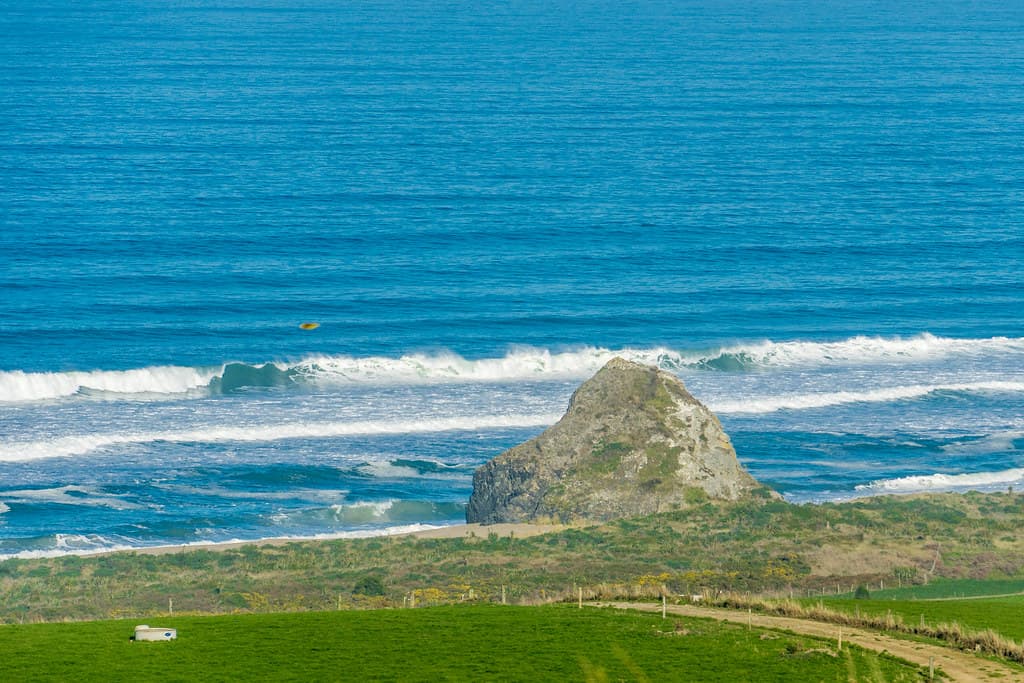
The gravel road to Chrystalls Beach drops through farmland so green it looks phosphorescent, then crests a final rise and the beach reveals itself all at once: a massive arc of sand the colour of wild honey, stretching north and south until perspective blurs the details. The waves are already audible, a low thunder that doesn't stop. This is the Clutha coast at its most elemental—ungroomed, undeveloped, utterly unbothered by tourism. The sand here is coarse enough to squeak underfoot, scattered with flecks of shell and garnet that catch the light. Driftwood trunks, bleached and massive, lie scattered like the ribs of ancient ships. The surf is reliably powerful, peeling left and right off sandbanks that shift with every big swell. When you paddle out, the water is cold enough to make your temples ache, the kind of cold that keeps you sharp. Onshore, the wind is almost always present, combing through the marram grass on the dunes and carrying the salt smell deep inland. Sunset turns the whole beach molten. The western light catches the wetted sand, the foam, the grassy headlands, and holds them in amber for twenty minutes before the colour drains and the wind picks up again. You'll see maybe three other people if it's a popular day. Most of the time, you'll see no one at all.
Places, rentals, tours and events within walking and driving distance of Chrystalls Beach.
Photos
Swimming at Chrystalls Beach requires caution due to strong currents, unpredictable surf, and exposure to the open Pacific Ocean. This is a wild, less-patrolled beach with no lifeguard services. Rips and undertows are common, particularly near the river mouth. The beach is more suitable for experienced swimmers and surfers who understand ocean conditions. Always check tide times and weather forecasts before entering the water. Children should be closely supervised at all times, and staying close to shore is advisable. If in doubt, enjoy paddling in shallow areas or simply walking the shoreline.
The best time to visit Chrystalls Beach is during the warmer months from December to March, when weather conditions are most favorable and daylight hours are longer. Visit during weekdays or shoulder seasons (late spring or early autumn) for fewer crowds and a more secluded experience. Early mornings and late afternoons offer stunning light for photography and beautiful sunsets. Summer provides the warmest water temperatures, though the sea remains cool year-round. Winter visits can be dramatic with powerful waves and stormy skies, but dress warmly and expect strong winds along this exposed coastline.
Chrystalls Beach is located approximately 10 kilometers east of Milton. From Milton, take State Highway 1 south briefly, then turn onto Chrystalls Beach Road heading east toward the coast. The drive takes about 15 minutes on mostly sealed roads, though the final section may be gravel. There is a small parking area near the beach access. The beach is not serviced by public transport, so a private vehicle is necessary. The route is straightforward and suitable for regular cars. Signs are limited, so using GPS navigation is recommended to ensure you find the correct turnoff.
Chrystalls Beach itself has no commercial facilities, cafes, or accommodation. The nearest town is Milton, about 15 minutes away, where you'll find basic supplies, cafes, a pub, and a small supermarket. For accommodation, Milton offers motels and holiday parks. More extensive dining and lodging options are available in Balclutha (30 minutes north) or Dunedin (90 minutes north). Pack all food, water, and supplies for your beach visit, as there are no shops nearby. The beach is ideal for picnics, but remember to take all rubbish with you to preserve this undeveloped coastal environment.
Chrystalls Beach stands out for its wild, undeveloped character and sense of remoteness despite being relatively accessible. The broad sandy expanse stretches for kilometers with minimal human infrastructure, offering a genuine wilderness coastal experience. The beach features dramatic views of the rugged Clutha coastline and powerful surf conditions that attract experienced surfers seeking uncrowded waves. Its position on the wild southern coast creates spectacular sunset viewing opportunities. The lack of development means you often have the entire beach to yourself, providing a rare sense of solitude and connection with nature that's increasingly uncommon on New Zealand's more popular beaches.