Counting the waves…
Counting the waves…
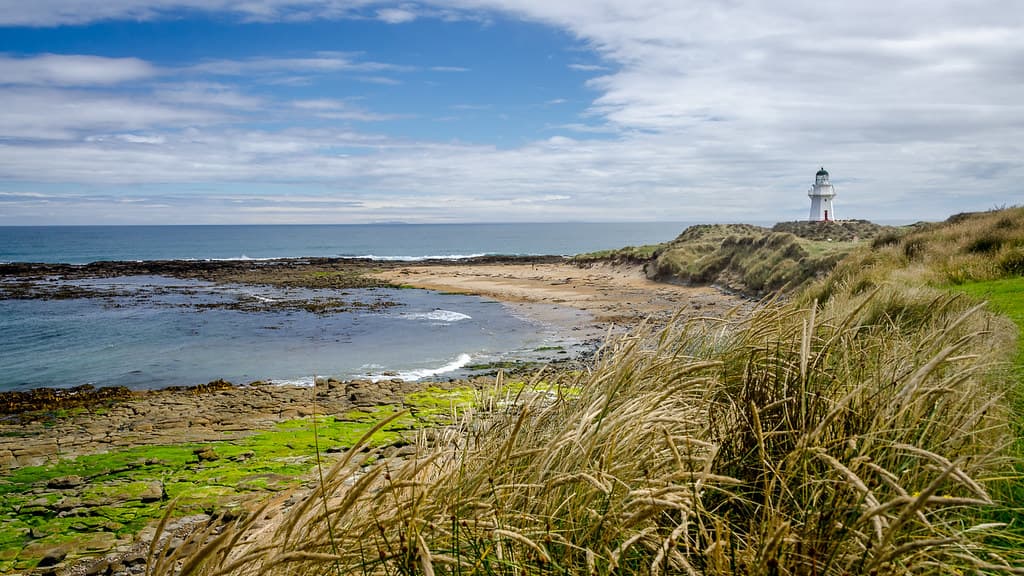
The bay curves in a perfect crescent, sheltered by headlands that block the worst of the Southern Ocean swells. You spread your towel on sand the color of wheat, fine-grained and firm underfoot, while small waves fold over in knee-deep water. Children dig moats and castles, shrieking when the tide fills their excavations. The water temperature—while still bracing by northern standards—runs a few degrees warmer than the exposed coastline, making this one of Southland's few genuinely swimmable beaches. Hector's dolphins appear without warning, their blunt noses and rounded dorsal fins breaking the surface just beyond the shore break. You'll see them riding waves toward the beach, surfing alongside bodyboarders and boogie-boarders who've learned to share the lineup. These are the world's smallest dolphins, endemic to New Zealand, and Porpoise Bay hosts a resident pod that seems genuinely curious about human swimmers. They vocalize in high-pitched clicks and whistles, hunting fish in the shallows. Low tide exposes rock platforms at either end of the bay, tide pools brimming with scarlet anemones, hermit crabs, and purple urchins. You pick your way across barnacle-encrusted boulders, the smell of drying kelp sharp in your nostrils. Surfers take advantage of the incoming tide, when waves reform over a sand bottom and peel left toward the camping area. The beach road parallels the sand, making access effortless—no steep climbs or bush tracks required.
Places, rentals, tours and events within walking and driving distance of Porpoise Bay Beach.
Photos
Porpoise Bay is one of the safer swimming beaches in the Catlins, offering a sheltered sandy bay with gentler conditions than nearby Curio Bay. However, water temperatures remain cold year-round (typically 10-15°C), so wetsuits are recommended. The beach is popular with surfers, particularly beginners, due to consistent but manageable waves. There are no lifeguards, so swim at your own risk and stay within your ability level. Be aware of rips and changing tides. The sheltered location makes it more family-friendly than exposed Catlins beaches.
Hector's dolphins, New Zealand's smallest and rarest dolphin species, are frequently spotted at Porpoise Bay year-round, though sightings cannot be guaranteed. Summer months (December-March) generally offer the best viewing opportunities with calmer seas and better visibility. Dolphins are often seen surfing in the waves close to shore, particularly during incoming tides. Early morning and late afternoon can be productive times. If dolphins are present, maintain a respectful distance and follow DOC guidelines—never swim directly toward them or attempt to touch them.
Porpoise Bay is located adjacent to Curio Bay in the Catlins, approximately 2.5 hours south of Invercargill. From the main Southern Scenic Route, turn onto Curio Bay Road and follow signs to Porpoise Bay—it's clearly signposted. The beach has a dedicated car park with easy access to the sand. A private vehicle is necessary as there's no public transport to this remote area. The beach is just a few minutes' drive from Waikawa village and shares the same access route as Curio Bay, making it easy to visit both beaches in one trip.
Porpoise Bay itself has basic facilities including a car park and public toilets, but no shops or cafes directly at the beach. The nearest accommodation includes Curio Bay Holiday Park and various holiday homes in Waikawa village, all within a few minutes' drive. For dining, options are limited to what's available at Curio Bay Salthouse (when open) or self-catering. Stock up on groceries and supplies in larger towns like Invercargill before arriving. The remote location means advance planning is essential, especially during peak summer season when accommodation fills quickly.
Yes, Porpoise Bay offers year-round surfing conditions, making it one of the Catlins' most reliable surf breaks. The sheltered bay produces consistent, beginner-friendly waves suitable for learners, though conditions vary with swell direction and tide. A wetsuit is essential in all seasons due to cold Southern Ocean temperatures. Winter (June-August) can bring larger swells but harsher weather and shorter daylight hours. Summer provides more comfortable conditions and warmer air temperatures. There are no surf shops or board rentals nearby, so bring your own equipment from larger towns.