
Counting the waves…
Counting the waves…

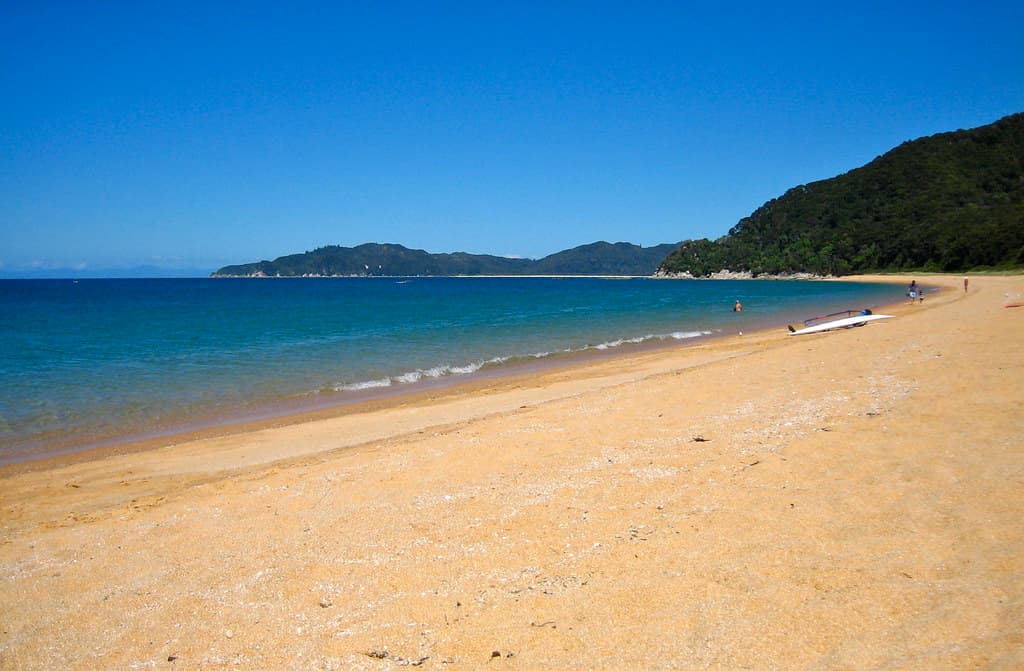
You step from the kayak onto sand the color of wet cardboard, fine-grained and cool under your toes. The cove curves tight—maybe fifty meters wide—hemmed by granite boulders webbed in lichen and beech trees that lean out over the tide line. The water here shifts between jade and turquoise depending on the angle of the sun, shallow enough that you can count the ribs of sand on the bottom ten meters out. No cafe. No jetty. No mobile signal. Just the tick of cooling stones as the afternoon heat ebbs, and the occasional splash of a kingfisher diving for baitfish. A track winds up from the back of the beach into dense coastal forest, the kind of climb that rewards you with sweat and solitude rather than Instagram overlooks. You spread your towel on driftwood smoothed to silver and eat lunch with your feet in the shallows. A blue penguin burrow gapes under a flax root. The tide creeps higher, erasing your footprints, and you realize you haven't seen another person in three hours. That's the currency here—time unspooled, the rare luxury of a beach that asks nothing but attention.
Places, rentals, tours and events within walking and driving distance of Mutton Cove.
Photos
Mutton Cove offers swimming in a remote, sheltered setting, but safety depends entirely on conditions and personal ability. There are no lifeguards or immediate rescue services due to the isolated location. The cove is generally protected, though weather and tides affect conditions significantly. Be cautious of boat traffic and always assess water conditions before swimming. The remote wilderness setting requires self-reliance and good judgment. Never swim alone and ensure someone knows your plans. Strong swimming skills and conservative decision-making are essential. The cove's isolation means any emergency would involve significant response time.
Summer months from December to March offer the best weather conditions at Mutton Cove, with warm temperatures and generally calmer seas. For the quietest experience with minimal crowds, visit during shoulder seasons in November or April, though fewer water taxi services operate outside peak summer. The cove's remote location means it remains uncrowded even during high season compared to popular Abel Tasman beaches. Weather can change rapidly, so always check forecasts before departure. Winter visits are possible for hardy adventurers but expect challenging conditions, cooler temperatures, and limited transport options. Plan carefully regardless of season.
Mutton Cove is accessed via the Abel Tasman Coast Track or by water taxi, though it's not a standard drop-off point for most operators. The track approach involves significant hiking from either Totaranui or Wainui Bay. Some water taxi operators may arrange special drop-offs or pickups at Mutton Cove if booked in advance, but confirm availability and reliability. Kayakers can reach the cove as part of multi-day coastal paddles. There's no road access. The remote nature requires careful planning, confirmed transport arrangements, and appropriate preparation for wilderness travel. Always have backup plans.
Mutton Cove is an undeveloped wilderness location with absolutely no facilities. There are no huts, campsites, cafes, shops, or any infrastructure at the cove. Visitors must be entirely self-sufficient, carrying all necessary food, water, shelter, and equipment. This is strictly a day-visit or wilderness camping location for experienced, well-prepared trampers. The nearest DOC facilities are at other points along the Abel Tasman Coast Track. All rubbish must be carried out. The closest towns with services are Takaka and Motueka. This cove is for those seeking genuine remote coastal wilderness.
Mutton Cove's wilderness character comes from its extreme remoteness and lack of development or regular visitor traffic. Unlike popular Abel Tasman beaches with constant water taxi services and crowds, Mutton Cove sees very few people, creating a genuine sense of isolation and natural tranquility. The absence of any facilities or human infrastructure maintains its pristine condition. Its location away from main track sections and standard water taxi routes means only dedicated adventurers make the effort to visit. The surrounding native bush and undisturbed coastal environment reinforce the feeling of being in untouched nature, offering a rare experience in New Zealand's popular Abel Tasman.