Counting the waves…
Counting the waves…
A refined fusion of water purity, environmental stability, and communal vibrancy for Otautu Bay.
View MethodologyAnalyzed via live sensors and environmental data.
Wave height, wind, and atmospheric stability.
Live footfall and crowd balance metrics.
Community reviews and curated sentiment.
“You'll swing off the winding Colville road onto a gravel track that ends at sand the color of wet concrete. This is the jumping-off point for peninsula explorers: pitch a tent, watch the sun melt into the western hills,…”
Limited recent visitor reports — live OBI telemetry is your best guide for current conditions.
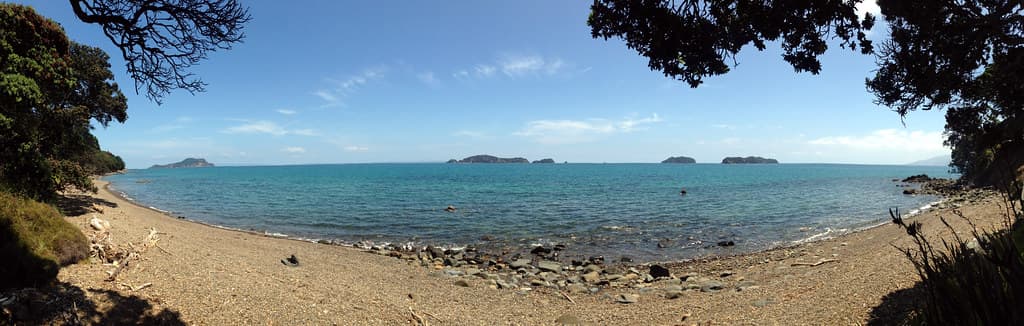
The coast changes character once you pass Colville. Gone are the white sand postcards; Otautu Bay offers something tougher, more working-class—a crescent of dark sand hemmed by scrub-covered hills and farmland that rolls down to the high-tide mark. You'll pull off the unsealed road and step onto a beach that slopes gradually into the Firth of Thames, where the water takes on the milky jade of sediment mixing with sea. This isn't a swimming beach so much as a gathering point, a place where families set up camp chairs in the shallows and watch kids hunt for pipis at low tide.
The bay faces northwest, which means sunset becomes the daily ceremony. As the light goes horizontal, the hills across the firth turn from green to charcoal, and the water reflects every color between copper and pewter. You'll stand at the tideline with sand firming beneath your feet as the water drains, watching fishing boats motor back to Coromandel Town in silhouette. The air smells of salt and the smoke from camping stoves firing up for dinner—two-burner rigs boiling water for instant noodles and heating tins of baked beans.
 Credit: Unsplash
coastal dunes and beach at sunset
 Credit: Unsplash
a body of water with a hill in the background
Bronze light over the firth
Base for Cape Colville trips
Safe for children at tide
Prime Visitation
Less Crowds|Best Weather
Where it is
Otautu Bay
Colville, Waikato Region, New Zealand
-36.641700°, 175.426700°
Weather
Loading…
Swell
—
Temp
Warm · Restorative
UV Index
Moderate
Wind
—
Tidal State
Last known
Max Sunlight
—
Ideal Shade
—
Jan - Dec (Peak)
Mar - Nov (Off-season)
Less Crowds|Best Weather
Select a category to load nearby places.
Unlock restaurants, luxury stays and curated maritime experiences within 2km
Otautu Bay generally offers calmer swimming conditions than ocean-facing beaches due to its northwest coast location. The bay setting typically provides sheltered waters suitable for families, though conditions depend on weather and tides. There are no lifeguard services, so adult supervision is essential. Check local conditions before swimming and be aware that even sheltered bays can have currents or sudden weather changes. The beach's family-friendly tag suggests it's often suitable for children, but always exercise appropriate caution at any unpatrolled New Zealand beach.
Otautu Bay is best visited during New Zealand summer (December-February) for warmest weather and optimal beach conditions, though the less-crowded nature means pleasant visits year-round. The northwest-facing location makes it excellent for sunset viewing throughout the year. Shoulder seasons offer mild weather with even fewer visitors. The bay serves as a base for exploring the remote northern peninsula, so plan visits when you have several days to explore the surrounding area. Weekdays and off-peak times provide the most peaceful experience.
Otautu Bay is accessed via unsealed roads from Colville village on the northern Coromandel Peninsula. The journey involves narrow, winding roads typical of this remote area. Exact road conditions and distance vary, but expect a drive requiring careful attention and modest speed. A regular vehicle can usually manage in good weather, though road conditions deteriorate in heavy rain. There's no public transportation serving this area. Stock up on supplies in Colville or larger towns before heading to Otautu Bay, as facilities are minimal.
Otautu Bay has limited accommodation, primarily holiday homes and baches available for short-term rental. Camping may be available through private properties or nearby Department of Conservation sites. There are no restaurants, cafes, or shops at Otautu Bay itself. The nearest basic supplies are in Colville, with comprehensive services in Coromandel Town. Visitors should plan to self-cater and bring all necessary food and supplies. The area attracts those seeking peaceful, self-sufficient stays while exploring the remote northern peninsula.
Otautu Bay's scenic northwest coast location makes it an ideal base for exploring the remote northern Coromandel Peninsula. The bay offers peaceful accommodation options while providing access to even more isolated beaches and walking tracks further north toward Port Jackson and Fletcher Bay. The combination of family-friendly beach, sunset views, and relative accessibility (compared to beaches further north) creates a practical staging point. Visitors can enjoy the bay's own charms while using it for day trips to the peninsula's most remote and spectacular northern reaches.
Photos