Counting the waves…
Counting the waves…
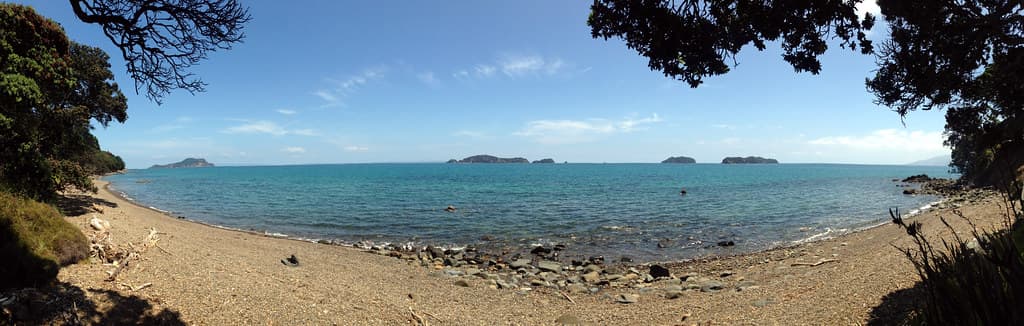
Sand here carries a gray tinge from the Tasman's iron-rich sediment, spreading in a wide arc between two modest headlands. The swimming area occupies the northern section, away from boat traffic, where the bottom stays sandy for 30 meters before transitioning to papa rock platforms. Stingrays cruise the shallows on incoming tides—you learn to shuffle your feet, the Coromandel shuffle, stirring sand to announce your presence. Pine trees planted as a windbreak decades ago now tower above the reserve, their needles carpeting the picnic area and releasing that distinctive resinous scent when the nor'west wind blows hot. A playground occupies one corner, its equipment sun-faded but functional. The facilities consist of a single toilet block and cold outdoor shower—adequate, maintained by the Thames-Coromandel District Council, nothing more. Sunset painters set up easels here, attempting to capture how the light changes minute by minute as the sun descends toward the Tasman horizon. The water shifts from steel-blue to pewter to molten copper, while the Coromandel Range behind you glows briefly pink before fading to charcoal. Fishermen return through the channel, their day's catch iced in bins, reading the water's mood for tomorrow's prospects.
Places, rentals, tours and events within walking and driving distance of Papa Aroha Beach.
Photos
Papa Aroha Beach is a sandy west coast beach that's generally suitable for families, offering safer conditions than many exposed Coromandel beaches. The beach is known for being family-friendly, though typical west coast conditions apply including potential surf and currents. There are no lifeguards, so parents should supervise children closely and assess conditions before swimming. The sandy shore is more comfortable than pebble beaches for young children. The sheltered nature of the bay typically provides calmer waters. It's best for paddling, gentle swimming, and beach play rather than serious surf activities. Always exercise caution as conditions can change.
Papa Aroha Beach is best visited during summer (December-March) for warmest weather and most stable conditions, though its local, less-touristy nature means it's pleasant year-round with fewer crowds. The western orientation makes it exceptional for sunset viewing any season, which is one of the beach's main attractions. Early mornings provide calmest conditions for swimming. Visiting during weekdays or outside New Zealand school holidays ensures a quiet, peaceful experience. Fishing is popular here, with certain seasons better for different species. The beach's appeal as a local spot means it maintains its character throughout the year without overwhelming peak-season crowds.
Papa Aroha Beach is located on the western coast of the Coromandel Peninsula and is accessed by car via local roads from State Highway 25. From Coromandel town, travel south following coastal roads toward Papa Aroha. The exact route depends on your starting point, but signage should guide you. Roads are generally sealed but can be winding as typical for the region. A regular vehicle is usually adequate. The beach is less well-signposted than major tourist beaches, maintaining its local character. Allow adequate travel time for winding coastal roads. No public transportation serves this area, so a private vehicle is necessary.
Papa Aroha Beach is a small local community with limited commercial facilities directly at the beach. Some holiday homes and rental properties may be available in the area for accommodation, but options are limited compared to major tourist centers. For substantial shopping, dining, and accommodation choices, visitors should look to larger nearby towns like Coromandel town or Whitianga, each requiring a drive of 30-60 minutes depending on location. It's advisable to bring food, drinks, and beach supplies with you. The limited development preserves the beach's quiet, local character that attracts visitors seeking a more authentic, less commercialized coastal experience.
Papa Aroha Beach has earned a reputation among locals as an excellent fishing spot, with the west coast location and sandy beach environment supporting various fish species. Fishing from the beach or nearby rocks is a popular activity year-round. The beach's western exposure creates spectacular sunset conditions, with the sun setting directly over the ocean providing classic coastal sunset views. The combination of good fishing and beautiful sunsets makes it particularly appealing to local residents and visitors seeking these specific experiences. The quiet, uncrowded nature means you can enjoy these activities in peace, unlike busier tourist beaches where sunset viewing spots can be congested.