Counting the waves…
Counting the waves…
A refined fusion of water purity, environmental stability, and communal vibrancy for Stony Bay Beach.
View MethodologyAnalyzed via live sensors and environmental data.
Wave height, wind, and atmospheric stability.
Live footfall and crowd balance metrics.
Community reviews and curated sentiment.
“Your boots transition from dirt track to stones, the distinctive percussion of pebbles announcing the bay before you see it through the pohutukawa. DOC's campground occupies the flat ground behind the beach, 20 sites…”
Limited recent visitor reports — live OBI telemetry is your best guide for current conditions.
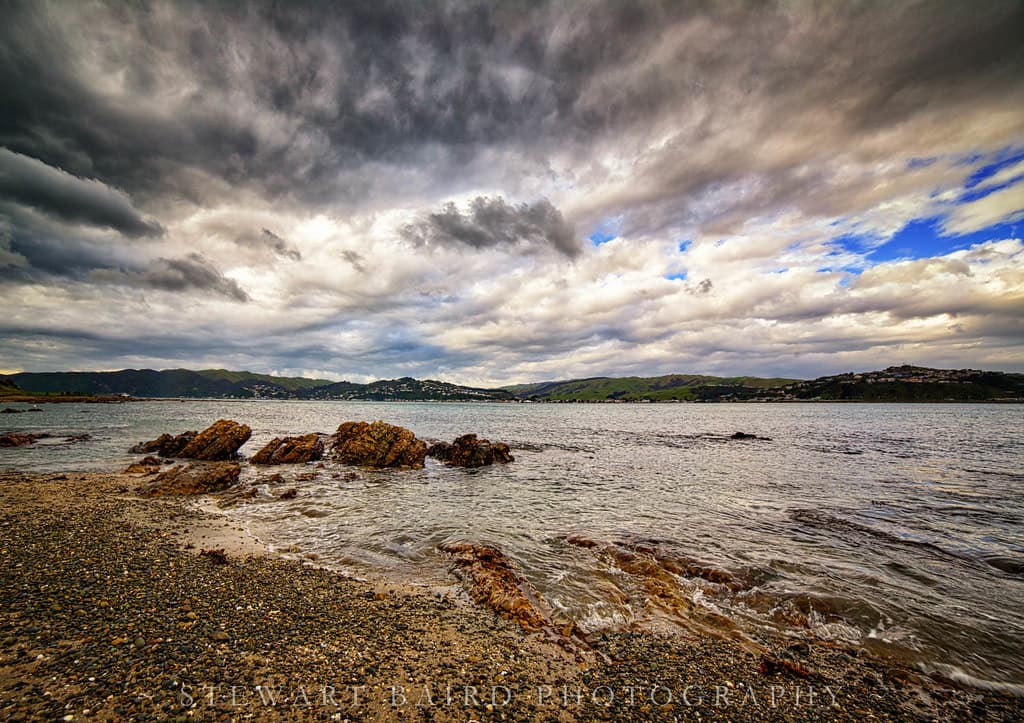
The stones range from thumb-sized to fist-sized, worn smooth by decades of Hauraki Gulf wave action. Walking the beach requires attention—the surface shifts underfoot, offering neither sand's easy stride nor rock's solid footing. You develop a rolling gait, weight transferring carefully heel to toe. At high tide, the stones extend to the vegetation line; at low, barnacle-covered boulders emerge, their surfaces slick with algae.
Trampers arrive mid-afternoon, having walked 10 kilometers from Fletcher Bay, their faces showing that particular fatigue of coastal track hiking—sun-weathered, salt-crusted, accomplished. They shed packs, unlace boots, wade into the gulf's cool water still wearing trail-dirty clothes. Yachts motor in through the entrance marked by submerged rocks, crews studying the chart plotter carefully, anchoring in 6-8 meters over sandy bottom.
 Credit: Unsplash
coastal dunes and beach at sunset
 Credit: Unsplash
a body of water with a hill in the background
10km from Fletcher Bay
Warm stones afternoon sun
Cool water rocky entry
Prime Visitation
Less Crowds|Best Weather
Where it is
Stony Bay Beach
Port Charles, Waikato Region, New Zealand
-36.480700°, 175.505400°
Weather
Loading…
Swell
—
Temp
Warm · Restorative
UV Index
Moderate
Wind
—
Tidal State
Last known
Max Sunlight
—
Ideal Shade
—
Jan - Dec (Peak)
Mar - Nov (Off-season)
Less Crowds|Best Weather
Select a category to load nearby places.
Unlock restaurants, luxury stays and curated maritime experiences within 2km
Stony Bay Beach is a pebble beach in a relatively sheltered northern bay, making it safer for swimming than more exposed coastlines, though conditions vary. There are no lifeguards or emergency services nearby due to the remote location. The bay's protection can provide calmer waters suitable for swimming, but always assess conditions before entering. Strong swimmers will find it more enjoyable. The bay is popular with boaters who anchor here, and swimming near boats requires caution. The pebble beach means no sandy entry. Overall, it's safer than exposed beaches but still requires awareness and good swimming ability.
Summer (December-March) is the prime time for visiting Stony Bay Beach, offering warmest weather, calmer seas, and the best conditions for camping and water activities. The beach and DOC campground are most popular during this period but rarely feel crowded given the remote location. Shoulder seasons (spring and autumn) provide solitude with generally acceptable weather. The beach offers good sun exposure for sunbathing throughout the day. Visit on weekdays for maximum quiet. Boaters often arrive on summer weekends. Check weather forecasts before traveling as conditions can change, and the remote location offers limited shelter.
Stony Bay Beach is located on the remote northern Coromandel Peninsula near Port Charles. Drive north from Coromandel town through Colville, continuing on Port Charles Road which becomes increasingly narrow and partly unsealed. The journey takes 1.5-2 hours from Coromandel town, requiring careful driving on winding, sometimes rough roads. A sturdy vehicle is recommended, especially after rain. The beach is also accessible by boat, which is how many visitors arrive, particularly those cruising the Hauraki Gulf. Ensure your vehicle has adequate fuel before departing as no services exist along this route.
Stony Bay has a DOC (Department of Conservation) campground that provides basic camping facilities for tents and campervans, popular with trampers walking the Coromandel Coastal Walkway and beach visitors. The campground offers simple amenities but no shops or food services. There are no restaurants, cafes, or commercial accommodation at Stony Bay. Visitors must bring all food, cooking equipment, and supplies. The nearest very limited services are back toward Colville or Coromandel town, both significant drives away. Self-sufficiency is essential. The basic campground and lack of commercialization preserve the area's remote, natural character.
Stony Bay Beach serves as a key access point for the Coromandel Coastal Walkway, one of New Zealand's Great Walks, making it extremely popular with trampers starting or ending their journey. The DOC campground provides convenient accommodation for hikers. For boaters, the bay offers a protected anchorage in the remote northern peninsula, making it an attractive destination for yacht cruisers and fishing boats exploring the Hauraki Gulf. The combination of coastal walkway access, camping facilities, and sheltered anchorage creates a multi-use destination for outdoor enthusiasts rather than casual beach visitors, giving it a distinctly adventurous character.
Photos