Counting the waves…
Counting the waves…
A refined fusion of water purity, environmental stability, and communal vibrancy for Tuateawa Beach.
View MethodologyAnalyzed via live sensors and environmental data.
Wave height, wind, and atmospheric stability.
Live footfall and crowd balance metrics.
Community reviews and curated sentiment.
“Tuateawa doesn't do gentle. The coast here is all edges—basalt shelves, boulders rounded by centuries of swell, and the occasional sandy cove that appears only at low tide.”
Limited recent visitor reports — live OBI telemetry is your best guide for current conditions.
This stretch of the eastern Coromandel resists easy access. The road narrows to one lane, winding through regenerating bush and farm gates that may or may not be locked. When you finally reach the coast, you understand why so few make the trip: the beach exists in fragments, small crescents of dark sand trapped between rock platforms that extend like broken fingers into the sea. At high tide, some beaches disappear entirely, swallowed by waves that crash with a force you feel in your sternum.
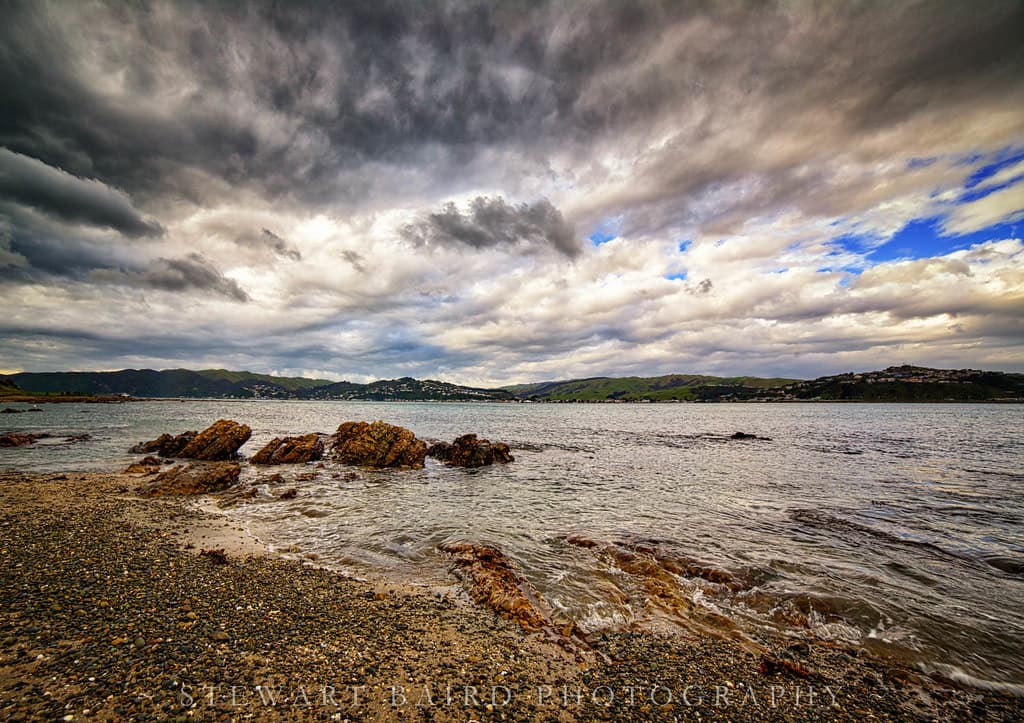
The rocks themselves are the main event—volcanic remnants, black and porous, sculpted by wind and water into formations that resemble abstract sculpture. Tide pools form in the hollows, their water clear enough to see urchins and crabs moving across the bottom. The sand, where it exists, is coarse and peppered with shell fragments, dried kelp, and rounded pebbles that click and shift underfoot. There's no lifeguard, no facilities, no pretense of taming this coast for tourism.
 Credit: Unsplash
coastal dunes and beach at sunset
 Credit: Unsplash
a body of water with a hill in the background
Clear water, abundant sea life
Volcanic formations, crashing waves
Scramble over rock platforms
Prime Visitation
Less Crowds|Best Weather
Where it is
Tuateawa Beach
Tuateawa, Waikato Region, New Zealand
-36.635100°, 175.557700°
Weather
Loading…
Swell
—
Temp
Warm · Restorative
UV Index
Moderate
Wind
—
Tidal State
Last known
Max Sunlight
—
Ideal Shade
—
Jan - Dec (Peak)
Mar - Nov (Off-season)
Less Crowds|Best Weather
Select a category to load nearby places.
Unlock restaurants, luxury stays and curated maritime experiences within 2km
Swimming at Tuateawa Beach requires caution due to its rocky nature and exposed east coast location. The beach features rocky pockets rather than open sandy stretches, and currents can be strong and unpredictable. There are no lifeguard patrols at this remote location. The rocky terrain makes entry and exit from the water challenging. It's better suited for experienced ocean swimmers who can assess conditions. Always check weather forecasts, avoid swimming alone, and be mindful of changing tides that can create hazardous conditions around rock formations.
The optimal time to visit Tuateawa Beach is during New Zealand's summer months from December to March when weather conditions are most settled and you'll encounter fewer crowds. This hidden gem sees minimal visitor numbers year-round, making it ideal for those seeking solitude. Morning visits often offer calmer seas and better snorkeling conditions. Avoid visiting during winter (June-August) when the east coast experiences rougher seas and unpredictable weather. Always check local tide times, as low tide reveals more rock pools and coastal features for exploration.
Tuateawa Beach is located on the eastern Coromandel Peninsula and requires a vehicle to access. From State Highway 25, you'll need to navigate local roads through rural Waikato countryside. The journey involves winding coastal routes typical of the Coromandel region. A standard car is usually sufficient in good weather, though roads may be unsealed in sections. The nearest larger towns are Tairua and Whangamata, both approximately 30-45 minutes away. GPS coordinates are essential as signage may be limited. Plan for no public transport options and ensure you have fuel.
Tuateawa Beach itself has no commercial facilities, cafes, or accommodation due to its remote, undeveloped nature. Visitors should bring all food, water, and supplies. The nearest towns with shops, restaurants, and lodging are Tairua, Pauanui, and Whangamata, each 30-50 minutes away by car. These towns offer motels, holiday parks, cafes, and supermarkets. For those wanting proximity, consider staying in nearby Coromandel communities and making Tuateawa a day trip. Pack a picnic, as there are no facilities at the beach itself, including no toilets or rubbish bins.
Tuateawa Beach's rocky coastline creates excellent snorkeling opportunities around its numerous rock formations and pockets. The rocky substrate supports diverse marine life including colorful fish, sea urchins, and coastal reef species typical of New Zealand's east coast. Calm summer days with good visibility offer the best conditions for exploring underwater. The lack of crowds means undisturbed marine environments. However, you must bring all your own gear as there are no rental facilities. Strong currents and surge around rocks require confident swimming skills. Always snorkel with a buddy and stay aware of changing conditions.
Photos