Counting the waves…
Counting the waves…
A refined fusion of water purity, environmental stability, and communal vibrancy for Marokopa Beach.
View MethodologyAnalyzed via live sensors and environmental data.
Wave height, wind, and atmospheric stability.
Live footfall and crowd balance metrics.
Community reviews and curated sentiment.
“You'll drive twenty minutes on gravel roads from the Waitomo glowworm caves to reach this broad sweep of volcanic sand. The village behind you has one petrol pump and a single-room library.”
Limited recent visitor reports — live OBI telemetry is your best guide for current conditions.
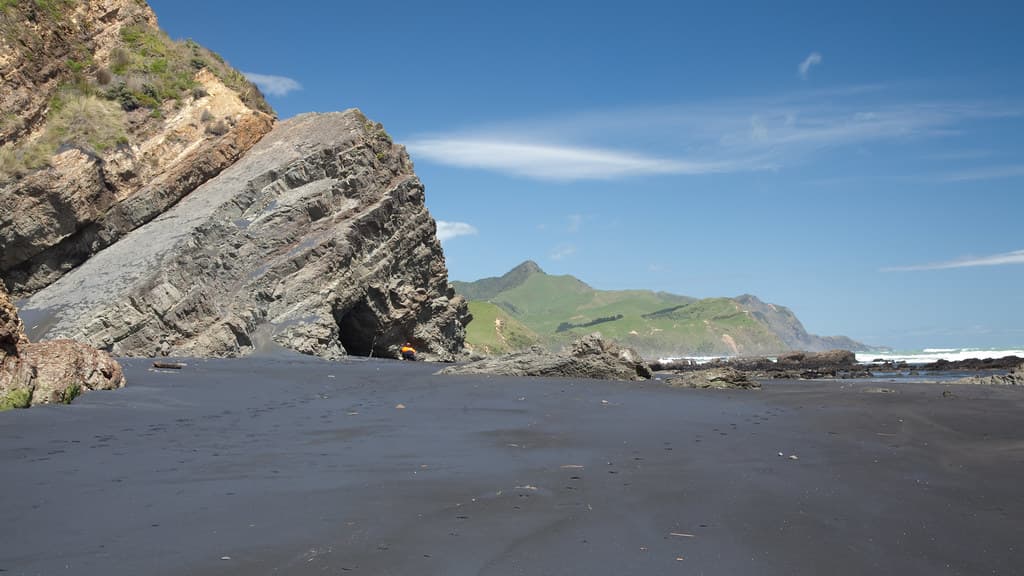
The wind arrives first—always. It pushes across the Tasman with enough force to sandblast your shins, carrying salt spray and the smell of kelp beds drying at the tideline. Marokopa Beach curves for nearly three kilometers, bookended by limestone headlands that glow amber when the afternoon sun drops behind Albatross Point. The sand here holds more iron than most North Island beaches, staining your towel rust-orange and squeaking underfoot as you walk.
Local farmers bring their children down in the late afternoon, parking mud-spattered utes at the southern end near the boat ramp. Their dogs chase gulls while the kids body-surf the shore break, which rolls in with metronomic consistency even on calm days. The Marokopa River mouth shifts after every storm, carving new channels through the bar and leaving driftwood sculptures that bleach silver in the sun.
 Credit: Unsplash
aerial view of beach during daytime
 Credit: Unsplash
Beach view with vibrant water and lush greenery
Three kilometers of volcanic sand
Limestone headland catches amber light
Consistent rolling waves year-round
Prime Visitation
Best Weather|Less Crowds
Where it is
Marokopa Beach
Marokopa, Waikato, New Zealand
-38.308300°, 174.706900°
Weather
Loading…
Swell
—
Temp
Warm · Restorative
UV Index
Moderate
Wind
—
Tidal State
Last known
Max Sunlight
—
Ideal Shade
—
Jan - Dec (Peak)
Mar - Nov (Off-season)
Best Weather|Less Crowds
Select a category to load nearby places.
Unlock restaurants, luxury stays and curated maritime experiences within 2km
Swimming at Marokopa Beach requires caution due to typical west coast Tasman Sea conditions including strong currents, rips, and powerful surf. The beach is unpatrolled and remote, with no lifeguard services. The wide, exposed nature means waves can be unpredictable and dangerous, especially for inexperienced swimmers. Paddling at the edges may be possible on calm days, but always stay vigilant. Families should supervise children closely and consider safer activities like beach walks and exploring rather than swimming in the ocean.
Summer months (December-February) offer the most pleasant weather with warmer temperatures, though the west coast can be windy year-round. Visiting during weekdays or off-peak seasons ensures fewer crowds and a more solitary experience. Fine weather windows provide the best conditions for beach walks and exploring the dramatic coastline. Winter brings dramatic seas and stormy weather that showcase the beach's wild character, though conditions can be harsh. Always check weather forecasts before making the journey to this remote location.
Marokopa Beach is accessed via Marokopa Road from State Highway 3 near Te Anga or Te Kuiti, approximately 45-60 minutes on winding, mostly unsealed roads through rural farmland. The final stretch into Marokopa village leads directly to the beach. The road is generally suitable for careful driving in normal vehicles during dry conditions, but can become challenging in heavy rain. Ensure you have fuel and supplies before leaving main highways. The scenic route passes notable attractions including Marokopa Falls and limestone formations.
Marokopa is a small, remote village with very limited facilities. There's a basic camping ground near the beach, a small shop with essential supplies, and minimal accommodation options including a few holiday houses. Visitors should bring most supplies from larger towns like Te Kuiti or Otorohanga. The village has no restaurants or cafes. Cell phone coverage can be unreliable or absent. The remoteness is part of the appeal, offering an off-grid coastal experience, but requires planning and self-sufficiency for food, fuel, and accommodation.
Marokopa Beach offers an authentic, untouched west coast experience far from tourist crowds. The broad expanse of wild black sand meets the dramatic Tasman Sea against a backdrop of rugged cliffs and farmland. Its remote location in the Waitomo district means it remains relatively unknown despite its natural beauty. The beach serves as a gateway to the region's cave systems, waterfalls, and rural scenery. The isolation and raw, windswept character appeal to travelers seeking genuine wilderness experiences and dramatic coastal landscapes away from developed areas.
Photos