Counting the wavesβ¦
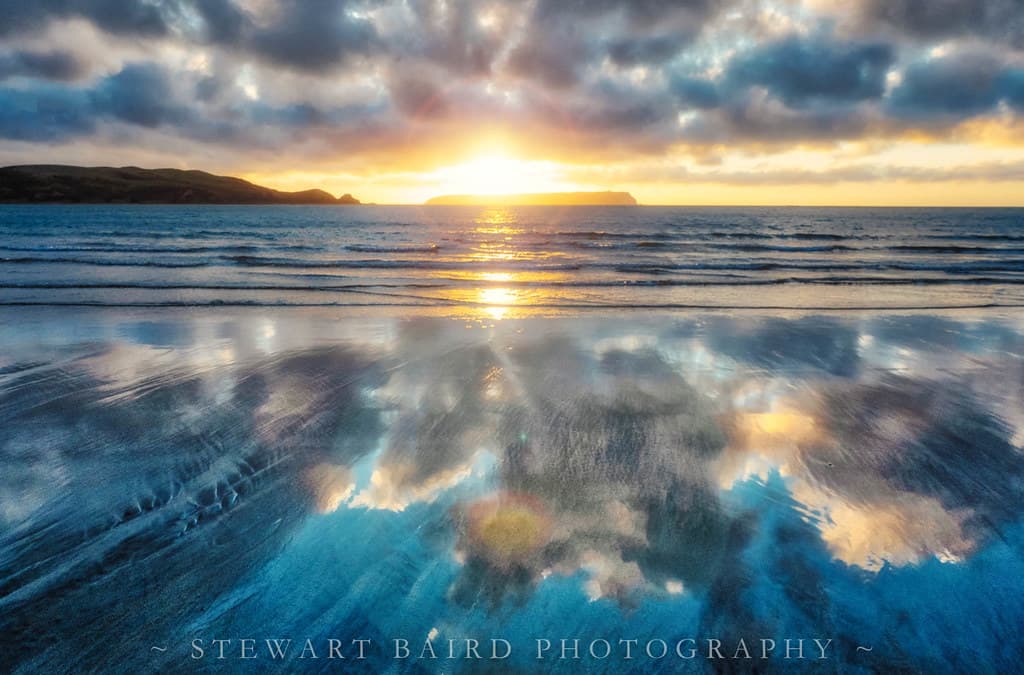
The access road dead-ends at a small carpark shaded by macrocarpa, and you descend a short path through coastal scrub where fantails dart between branches. The bay opens suddenly, a cupped palm of tawny sand no more than two hundred metres across. Pohutukawa roots cascade down the banks on either side, and at high tide the water laps within metres of the vegetation. Swimming here feels different from the open beaches a kilometre north. The headlands deflect the worst swells, and the bay's orientation creates a wind shadow that can persist even when whitecaps march across Porirua Harbour's mouth. Water temperature runs a degree or two warmer, enough that children stay in longer without shivering. The bottom slopes gently, sand giving way to patches of smooth stones that massage your feet as you wade deeper. Flounder sometimes rest in the shallows, stirring up puffs of sediment when disturbed. At low tide a rock shelf emerges on the southern edge, draped with Neptune's necklace and dotted with small mussels. You can walk its length, peering into crevices where shrimp hover and tiny fish flash silver. The bay holds the day's warmth well into evening, the sand radiating heat as the sky shifts through violet and slate. A few houses nestle in the bush above, their lights blinking on one by one, but the beach itself remains undeveloped, a pocket of quiet that rewards those who seek it out.
Places, rentals, tours and events within walking and driving distance of Karehana Bay.
Photos
Karehana Bay offers relatively calm swimming conditions compared to open coast beaches, as the cove formation provides some shelter. The bay's smaller size and generally gentler water make it suitable for families with children. There are no lifeguard patrols, so supervision is essential. The calmer conditions attract local families who know the area well. Water clarity and safety can vary with weather and tides, so check conditions before swimming. The bay's more protected nature means it's often swimmable when larger beaches nearby have rougher conditions.
Karehana Bay is best visited during fine weather when you can appreciate the sheltered cove setting and calm water. Summer months offer warmest swimming conditions, though the bay's smaller size means it's best enjoyed when not overly crowded. Visiting during weekdays or outside peak school holidays provides a more peaceful experience. The sheltered aspect makes it pleasant even on moderately windy days when other beaches might be less comfortable. Spring and autumn offer mild conditions with fewer visitors, ideal for families seeking a quieter beach experience.
Karehana Bay is located in the Plimmerton area of Porirua, approximately 25 kilometers north of Wellington city. Drive north on State Highway 1, taking the Plimmerton exit and following local roads to the bay. The journey takes roughly 25-30 minutes from central Wellington. Parking is available near the bay, though spaces can be limited during busy periods due to the bay's smaller size. Public transport options include trains to Plimmerton station, followed by a walk to the bay. The area is residential, so be respectful of local streets.
Karehana Bay itself is a small residential area with limited commercial facilities. However, nearby Plimmerton village, just minutes away, offers cafes, restaurants, and a local shopping area. You'll find casual dining options and takeaways suitable for beach visits. Accommodation in the immediate area is primarily private holiday rentals and vacation homes. For more extensive lodging options, Porirua city center and other parts of the KΔpiti Coast are within easy driving distance. Many visitors come for day trips from Wellington or surrounding areas.
Karehana Bay's cove formation creates a more intimate, sheltered beach experience compared to open coastline beaches. Its smaller size gives it a local, hidden feel that appeals to those seeking a quieter alternative to larger beaches. The bay's position on the Plimmerton side offers calmer swimming conditions, making it particularly attractive for families. The setting maintains a strong residential character with less tourist development. While it may lack extensive facilities, this contributes to its appeal as a peaceful, local swimming spot favored by residents who appreciate its protected nature.