Counting the waves…
Counting the waves…
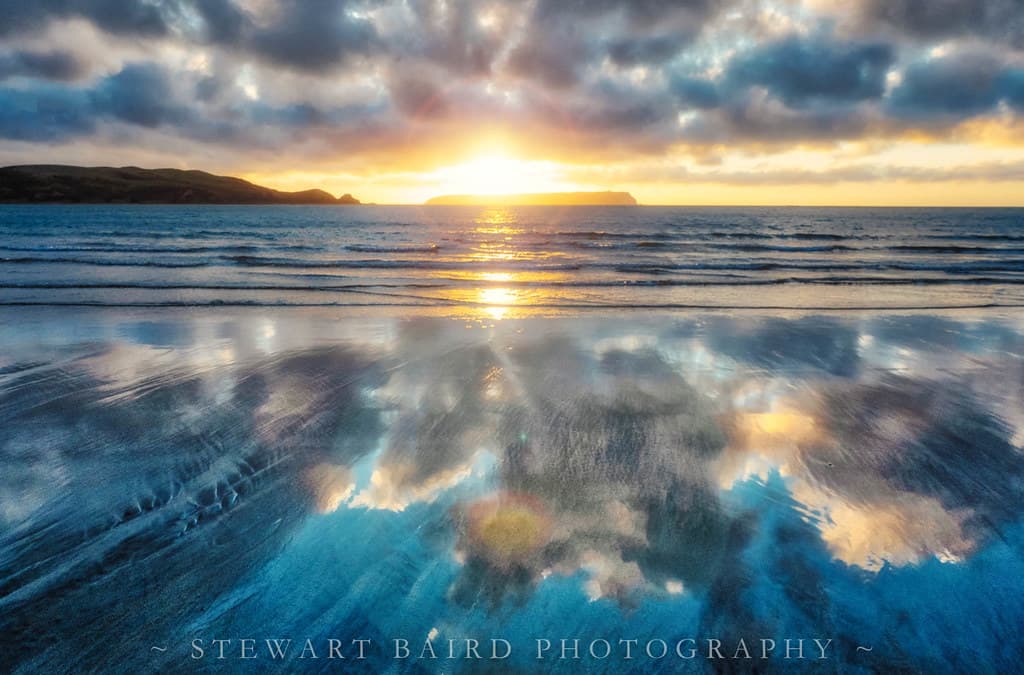
You cross the railway tracks and the beach opens before you, a tidy crescent tucked between Karehana Point and the northern rocks. Kāpiti Island commands the western view, its forested slopes so vivid in morning light you can almost count the trees. The sand here runs pale and fine, tracked with the morning's dog prints and the zigzag patterns left by receding tide. Families colonize the space between the flags, setting up camps of umbrellas and buckets while kids test the water's edge with cautious toes. The swimming here is genuinely safe—gentle slope, minimal current, waves that barely qualify as ripples on calm days. Standup paddleboarders navigate around swimmers, their boards casting shadows on sand visible through two meters of water. The local dairy sells ice creams; the bakery does mince pies that locals queue for. This is a village beach, unpretentious and functional. By evening, the beachgoers thin but don't disappear. Dog walkers claim the sand, teenagers gather near the northern rocks, and the sun performs its nightly descent behind Kāpiti, painting the strait in gradients of amber and rose. You can walk the length of the beach in ten minutes, but most people linger, reluctant to surrender the day's last warmth. The trains rumble past every twenty minutes, a reminder that the city sits just down the tracks.
Places, rentals, tours and events within walking and driving distance of Plimmerton Beach.
Photos
Plimmerton Beach is known for its safe swimming conditions, making it ideal for families with children. The beach is sheltered and generally calm, with gentle waves suitable for younger swimmers. However, always check local conditions before entering the water, as weather and tides can change. Lifeguards may not always be present, so supervise children closely. The beach has good facilities including toilets and playgrounds nearby, adding to its family-friendly appeal.
Plimmerton Beach can be enjoyed year-round, though summer months (December to February) offer the warmest weather for swimming and sunbathing. The beach is particularly beautiful during settled weather when the water is calmer and clearer. Late afternoons are popular for sunset viewing, as the beach faces west toward Kāpiti Island. Weekdays tend to be quieter than weekends. Winter visits can be pleasant for walks, though swimming may be too cold for most visitors.
Plimmerton Beach is located approximately 25 kilometers north of central Wellington, about a 25-30 minute drive via State Highway 1. There is parking available near the beach, including street parking in the village. Public transport is also convenient, with regular train services on the Kapiti Line stopping at Plimmerton Station, which is a short walk from the beach. Buses also service the area. The beach is easily accessible and well-signposted from the main road.
Plimmerton village offers several cafés, restaurants, and takeaway options within walking distance of the beach, including fish and chips shops and casual dining establishments. The village has a local shopping area with basic supplies. For accommodation, options include holiday homes and rental properties, though lodging is more limited than in larger centers. Nearby Porirua and Paraparaumu offer additional dining and hotel choices. Many visitors day-trip from Wellington or other nearby towns.
Plimmerton Beach stands out for its strong village atmosphere and community feel, with a charming beachside settlement that maintains a relaxed, seaside-town character. The beach offers excellent views of Kāpiti Island and the Kāpiti Coast, creating a scenic backdrop. Unlike Wellington's more urban beaches, Plimmerton retains a quieter, more residential vibe while still being easily accessible. The combination of safe swimming, village amenities, and sunset views makes it particularly appealing for families seeking a traditional beach village experience.