

Counting the waves…
Counting the waves…
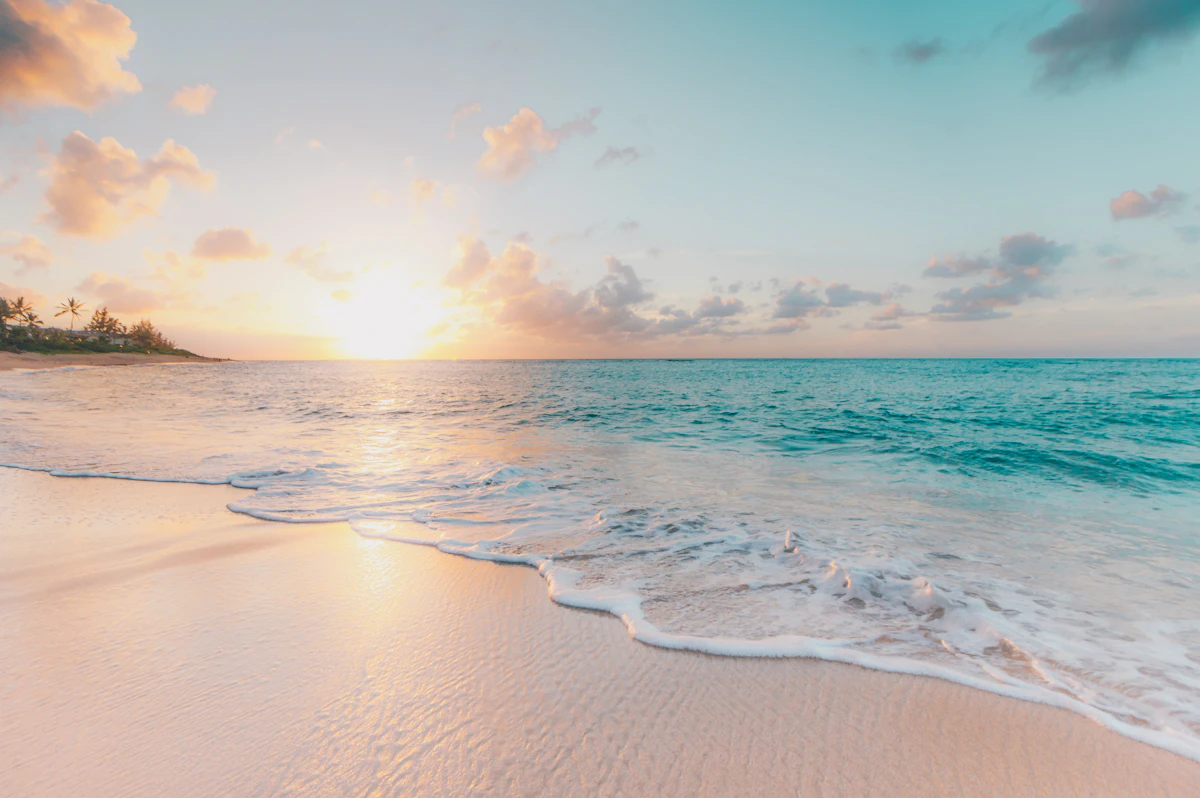
You park on The Parade and cross the seawall to wide sand stretching between rocky points. Taputeranga Island squats offshore, its bulk breaking incoming swells and creating the calmer water that attracted European settlers here in the 1840s. The beach divides into zones: families claim the northern end near the surf club, snorkelers gear up near the island, and solitary readers sprawl on towels near the southern rocks where fishing lines arc toward deeper water. The sand feels coarse between your toes, studded with shell fragments and the occasional sea urchin test. You wade out, the bottom dropping gradually until you're chest-deep, seaweed brushing your legs. Around the island's western side, the marine reserve begins—a underwater sanctuary where blue cod hang motionless in the kelp, crayfish peer from crevices, and butterfish dart through rock gardens. Even without snorkel gear, you can peer into the shallows and spot kina clustered on boulders. Behind the beach, Island Bay's commercial strip offers fish and chips eaten on the seawall, gelato from the Italian grocers whose grandparents knew these waters intimately, and cafés where regulars argue rugby over flat whites. The neighbourhood feels functional rather than fashionable—residents actually swim here year-round, hanging wetsuits to dry on clotheslines visible from the beach. When you towel off, salt crusting on your skin, you understand why locals resist gentrification so fiercely.
Places, rentals, tours and events within walking and driving distance of Island Bay Beach.
Photos
Island Bay Beach offers good swimming conditions, particularly in the more sheltered areas near the reef and marine reserve. The sandy beach has moderate surf that can vary with conditions—check forecasts before swimming. The nearby Taputeranga Marine Reserve makes this an excellent spot for snorkeling, with diverse marine life including fish, anemones, and occasionally octopus visible in rocky areas. The beach has no lifeguard patrol, so swim between the flags when available during summer. Water visibility is best on calm days. The south coast location means conditions can be rougher than harbour beaches.
Summer (December to February) provides the best weather for Island Bay Beach, with warmer water temperatures ideal for swimming and snorkeling in the marine reserve. The beach is popular year-round with locals, but summer offers the most comfortable conditions. Early morning or late afternoon visits provide good light and fewer crowds than midday. For snorkeling, calm days with minimal wind offer best visibility. The beach's south-facing location means it can be exposed to southerly winds, so check weather forecasts. Spring and autumn can also be pleasant, particularly for beach walks and exploring the coastal area.
Island Bay Beach is located on Wellington's south coast, approximately 7 kilometers from the city center, about 15-20 minutes' drive. Follow the coast road south through Newtown and Berhampore. Street parking is available along The Parade and surrounding streets, though it can be limited on busy summer days. Regular bus services run from the city center to Island Bay, taking approximately 25-35 minutes. The beach is easily accessible from the main road. Cycling is popular via coastal or hill routes, and the flat beachfront makes it easy to access once you arrive.
Island Bay village, directly adjacent to the beach, offers excellent food options including cafes, restaurants, bakeries, and takeaway shops. The Parade features several popular eateries serving everything from fish and chips to contemporary cuisine and international foods. Multiple dairies and a supermarket provide supplies for beach picnics. The area is known for its Italian heritage, with some authentic Italian restaurants and delis. Several cafes along the beachfront offer coffee and light meals with sea views. Accommodation includes holiday homes and apartments for rent, with most visitors staying in central Wellington or nearby suburbs for wider options.
The Taputeranga Marine Reserve, New Zealand's first urban marine reserve established in 2008, protects the rocky reef ecosystem directly offshore from Island Bay Beach. This makes Island Bay unique among Wellington beaches for underwater exploration, with abundant fish species, kelp forests, and invertebrates thriving in protected waters. Snorkeling and diving here offer opportunities to observe marine life recovering and flourishing without fishing pressure. The reserve extends 2.3 kilometers along the coast, making it easily accessible from shore. Educational signage helps visitors understand the marine environment, and the reserve's proximity to the city makes it convenient for nature enthusiasts.