Counting the waves…
Counting the waves…

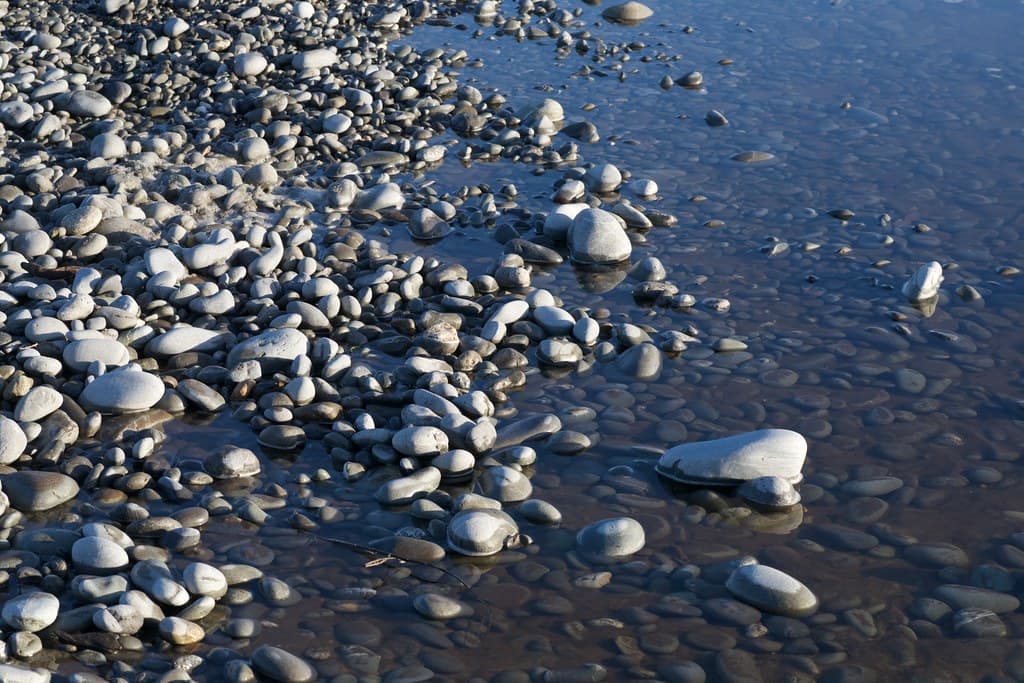
Blaketown Beach occupies the threshold between Greymouth's working port and the Tasman Sea's unrelenting swells. The breakwater juts into grey-green water, its concrete blocks slick with spray, while the Grey River spills silt and tannin across the sand. This isn't a postcard beach—coal dust settles in the dunes, and the horizon often blurs beneath rain squalls rolling off the Southern Alps. Surfers wax boards in the gravel car park, waiting for the afternoon offshore to clean up the peaks that peel along the river bar. The sand here is iron-dark, compacted hard near the waterline, and scattered with driftwood bleached silver by salt. At sunset, when the light breaks through the cloud bank, the entire beach glows rust-orange, and the breakwater casts a long shadow across the shorebreak. You'll share this stretch with locals walking dogs, commercial fishermen checking the bar conditions, and the occasional touring cyclist who's pedaled the length of the West Coast Highway. The sound is constant—waves collapsing on sand, the clang of rigging from moored boats, and the hiss of wind through marram grass. Blaketown wears its working-class roots openly, offering none of the manicured charm of resort beaches but all the raw authenticity the West Coast is known for.
Places, rentals, tours and events within walking and driving distance of Blaketown Beach.
Photos
Swimming at Blaketown Beach requires extreme caution due to its location near the Grey River mouth and the presence of breakwaters, which create complex currents and water flows. Like all West Coast beaches, it experiences powerful surf, rips, and cold water. The river mouth area has additional hazards including changeable currents, debris, and reduced water clarity. There are no lifeguard services. While the beach is accessible from urban Greymouth, it's not a patrolled swimming beach. Swimming is generally not recommended; wading and beach walking are safer activities.
Blaketown Beach is accessible anytime year-round thanks to its urban location in Greymouth. For the best weather, summer months (December-February) offer warmer temperatures and relatively drier conditions, though West Coast weather remains unpredictable. Sunsets can be spectacular when weather permits—the beach faces west over the Tasman Sea. Early mornings often provide calmer conditions and clearer skies. Winter visits offer dramatic storm-watching opportunities. The beach's urban accessibility means it's particularly convenient for short visits regardless of season or time of day.
Blaketown Beach is located within Greymouth township, specifically in the Blaketown area near the Grey River mouth and breakwater, making it easily accessible. From central Greymouth, head toward the coast on streets leading to the river mouth area. It's a distinct beach separate from Cobden Beach on the other side of the river. You can walk, cycle, or drive—parking is available nearby. The urban location means access is straightforward with sealed roads and reasonable signage, unlike more remote West Coast beaches.
Being part of Greymouth, Blaketown Beach offers excellent access to all town facilities. Greymouth is the largest town on the West Coast with numerous accommodation options including hotels, motels, backpackers, and holiday parks. Supermarkets, cafes, restaurants, bakeries, and takeaways are all within easy reach. The beach is just minutes from the town center, so you can easily grab food and supplies. This urban convenience makes Blaketown Beach particularly practical for travelers who want coastal access without sacrificing amenities or services.
Blaketown Beach is distinct from Cobden Beach as they're located on opposite sides of the Grey River mouth. Blaketown sits near the river mouth and breakwater structure, giving it a different character with the industrial port influence and river dynamics affecting the coastal environment. The breakwater creates specific wave and current patterns unique to this beach. While Cobden Beach extends northward, Blaketown's position by the river entrance offers opportunities to watch vessels navigating the harbor and observe the interaction between river and sea—a different experience within the same town.