
Saltwater Beach earns its name from the brackish lagoon that forms where the Poerua River slows and spreads before meeting the sea. The water here shifts from glacier-fed turquoise inland to amber where tannins leach from the coastal wetlands, finally surrendering to the Tasman's slate-grey breakers. You arrive at low tide when the lagoon is shallowest, warm enough for wading while the ocean beyond remains frigid and forbidding.
“The lagoon provides the West Coast's scarcest commodity—swimmable water—while maintaining the raw, unmanicured character that defines this shoreline.”
 Credit: Flickr
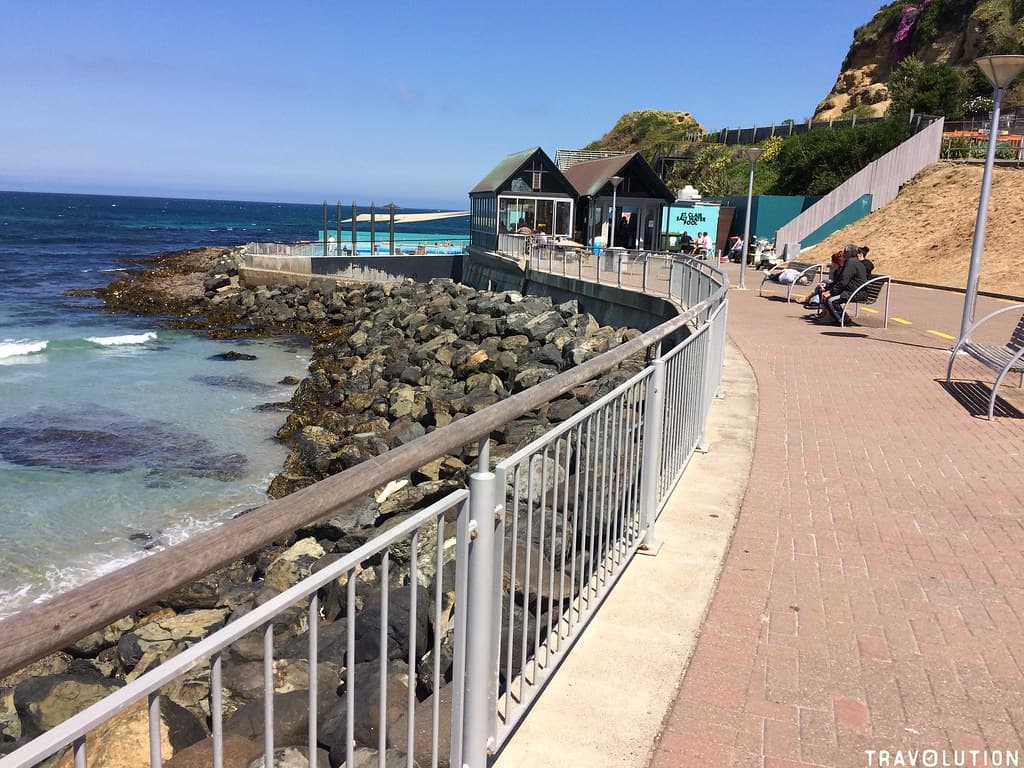
St Clair Saltwater Pool, Dunedin
Families from Harihari claim this beach on summer weekends, children splashing in the lagoon's calm water while parents set up beneath the driftwood logs that line the upper beach. The sand is coarser here than beaches further north, mixed with small rounded pebbles that rattle in the receding waves. Toetoe grasses fringe the lagoon's southern edge, bending in the constant breeze that carries the competing scents of saltwater and river mud.
You walk the spit that separates lagoon from ocean, one foot in each ecosystem. On the lagoon side, flounder dart through shallows and gulls pick through exposed mudflats. Ocean-side, the surf pounds with characteristic West Coast intensity, sending spray high enough to taste on your lips. The beach curves south toward the Wanganui River mouth, a stretch of sand that sees perhaps a dozen visitors on the busiest summer day. You understand why Harihari locals guard this place quietly—it offers the rare combination of safe swimming and wild coastline within a five-minute drive.


