Counting the waves…
Counting the waves…
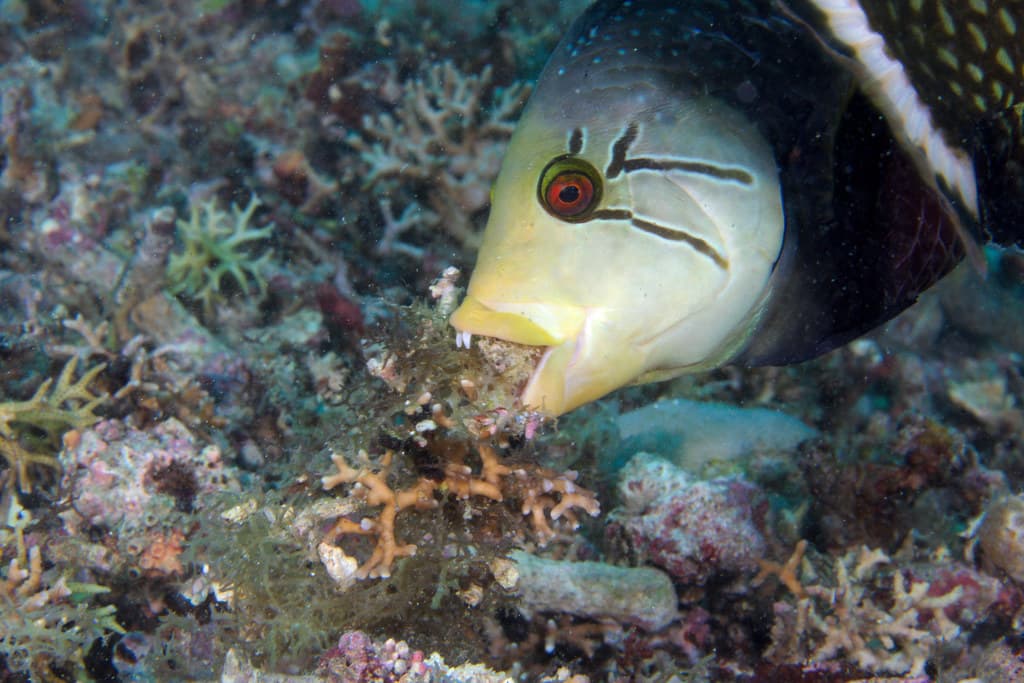
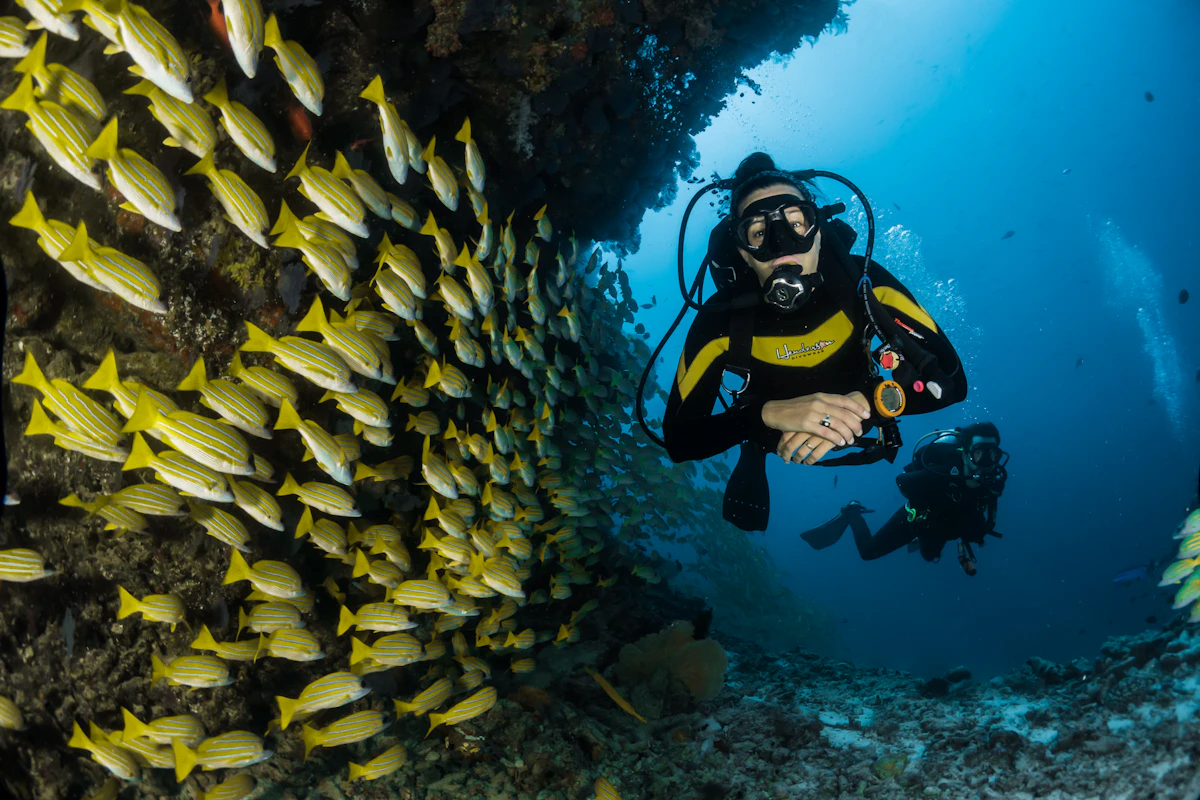
You feel the texture change underfoot as you walk the beach—not the coarse volcanic sand of most Batangas shores, but fine quartz that squeaks between your toes and clings to wet skin like powder. The beach curves in a perfect crescent, maybe three hundred meters end to end, backed by coconut palms and a handful of homestays with laundry flapping on railings. By midday, the heat drives you into the water, lukewarm and transparent, where you can watch your feet disturb small turbots resting on the white bottom. Snorkeling the reef edge becomes your afternoon ritual. You swim out past the shallows to where the bottom drops from three meters to thirty in a single breath, the wall alive with moorish idols and anthias. Parrotfish crunch coral with sounds that carry underwater, and once you spot a whitetip reef shark cruising the edge, utterly indifferent to your presence. The current picks up in the channel between Tingloy and the neighboring islets—you drift along the drop-off, finning occasionally to stay positioned, until the landmarks tell you you've traveled too far south. Evenings on Masasa settle into island quiet. The day-trippers depart by four, their bangkas growling toward Anilao, and suddenly you're one of perhaps twenty people on the beach. Your homestay host grills bangus for dinner, the smoke drifting across sand turned golden by the dropping sun. You eat with your feet buried in still-warm sand, watching local kids play basketball on the concrete court behind the palms, their shouts mixing with the sound of small waves folding onto shore.
Places, rentals, tours and events within walking and driving distance of Masasa Beach.
Photos
Masasa Beach is generally safe for swimming with clear, calm waters, especially during the dry season. The white sand beach has a gradual slope suitable for most swimmers. However, there are no formal lifeguard stations since this is a relatively undeveloped beach destination. Strong currents can occur during rough weather or monsoon season, so avoid swimming during these conditions. The beach is remote with limited medical facilities on Tingloy Island, so exercise caution and swim during daylight hours. Snorkeling is popular near the rocky areas but watch for boat traffic and sharp corals.
The ideal time to visit Masasa Beach is during the dry season from November to May, when seas are calm and skies are clear, perfect for swimming and snorkeling. December to February offers cooler temperatures and fewer crowds compared to the hot summer months of March to May. Avoid the monsoon season from June to October when boat trips can be cancelled due to rough seas and rain is frequent. Weekdays see significantly fewer visitors than weekends. Since Masasa is less developed, visiting during optimal weather ensures better access and safety for boat transfers from the mainland.
Reaching Masasa Beach requires a combination of land and sea travel. From Manila, drive or take a bus to Anilao in Mabini, Batangas (approximately 3 hours). From Anilao port, hire a boat to Tingloy Island, which takes 30-45 minutes depending on sea conditions. Alternatively, go to Talaga port in San Juan for boat transfers. Once at Tingloy, take a habal-habal (motorcycle) or hike approximately 20-30 minutes to Masasa Beach, as the beach is not directly accessible by boat. Arrange return boat transfers in advance. Some tour operators offer package trips including all transportation.
Masasa Beach offers basic, budget-friendly accommodation including beach cottages, camping areas, and simple homestays with local families. Facilities are rustic with limited electricity and no luxury amenities, reflecting its hidden gem status. Most accommodations are managed by locals and should be booked in advance, especially on weekends. Dining options are limited to small eateries serving home-cooked Filipino meals and fresh seafood. Many visitors bring their own food and supplies from the mainland. There are no restaurants or convenience stores, so stock up on essentials before arriving. Drinking water and snacks should be brought along.
Masasa Beach stands out for its powdery white sand that rivals more famous Philippine beaches, yet remains relatively untouched and uncrowded due to its remote location. The beach offers a pristine, unspoiled island experience without the commercial development of mainstream tourist destinations. Crystal-clear turquoise waters make it excellent for snorkeling with vibrant marine life visible near the shore. The journey to reach it adds to its hidden paradise appeal. Masasa provides an authentic, back-to-basics beach experience where visitors can disconnect from modern life and enjoy natural beauty in relative solitude, especially on weekdays.