Counting the wavesβ¦
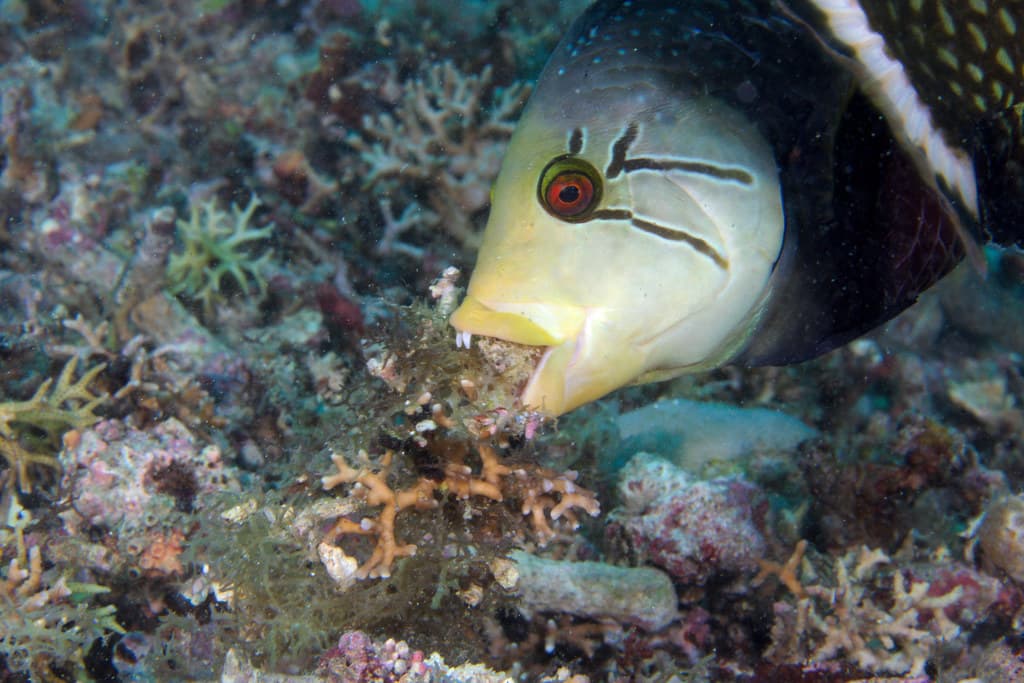
No beach in the traditional sense exists at Sombreroβthe island's shore consists of eroded limestone and coral rubble where waves slap against rock. You'll anchor offshore and swim to the reef, descending into water where visibility extends thirty feet or more on calm days. Schools of fusiliers stream past in silver torrents, their bodies catching sunlight as they wheel in unison. Parrotfish scrape algae from coral heads with audible crunches, their beaks leaving white scars on the limestone. The reef slopes gradually before plunging down a wall where the seabed disappears into deeper blue. You'll fin along this edge, watching butterflyfish dart between coral formations, spotting octopuses changing color in rock crevices, drifting past anemones hosting clownfish that dart out defensively when you approach too close. The current picks up around the island's points, requiring stronger swimming to maintain position, but bringing nutrient-rich water that feeds the thriving reef ecosystem. Above water, the island's limestone cliffs show the erosion of wind and waves, undercut in places to form small caves. Seabirds nest in the vegetation atop the island, their calls echoing across the water. Your boat rocks in the swell while you rest between snorkeling sessions, the mainland visible across the channel, other islands dotting the horizon in both directions along the Batangas coast.
Places, rentals, tours and events within walking and driving distance of Sombrero Island Beach.
Photos
Swimming and snorkeling are generally safe around Sombrero Island during calm weather conditions. The island features coral reefs and marine life that attract snorkelers. However, currents can strengthen during monsoon season, so always check conditions with your boat operator before entering the water. Life jackets are recommended, especially for less confident swimmers. Stay within designated areas and avoid touching corals. Boat operators typically monitor weather and will advise if conditions become unsafe.
The best time to visit Sombrero Island is during the dry season from November to May, with March to May offering the calmest seas and best visibility for snorkeling. December to February can be slightly cooler with occasional winds. The rainy season from June to October brings rougher seas that may prevent boat trips. Weekdays see fewer crowds compared to weekends and holidays. Early morning visits often provide the best snorkeling conditions with clearer water and less boat traffic.
Sombrero Island is accessible only by boat from Tingloy mainland or other nearby islands. Most visitors arrange boat trips from resorts in Tingloy or through tour operators in Anilao. From Manila, travel to Batangas pier, then take a ferry to Tingloy. Alternatively, reach Anilao by land and arrange island-hopping tours that include Sombrero. The boat ride typically takes 20-40 minutes depending on your departure point. Always book with licensed operators and confirm weather conditions before departure.
Sombrero Island itself has no permanent structures, food vendors, or accommodations as it's primarily a day-trip destination. Visitors must bring their own food, water, and snorkeling gear or arrange these through their tour package. Lodging is available on Tingloy's main island or in nearby Anilao, which offers various resorts and dive centers. Most island-hopping tours include packed meals. Plan to bring everything you need for the day, including sun protection, and pack out all trash to preserve the island's natural beauty.
Sombrero Island is renowned for its healthy coral reefs that encircle the small island, creating excellent shallow-water snorkeling opportunities. The island's name comes from its hat-like shape when viewed from a distance. The reef system features diverse hard and soft corals, colorful reef fish, and occasional sightings of sea turtles. The relatively shallow depths around the island make it accessible for beginners while still offering interesting marine biodiversity. The compact size means you can snorkel around much of the island in a single visit.