
Counting the waves…
Counting the waves…
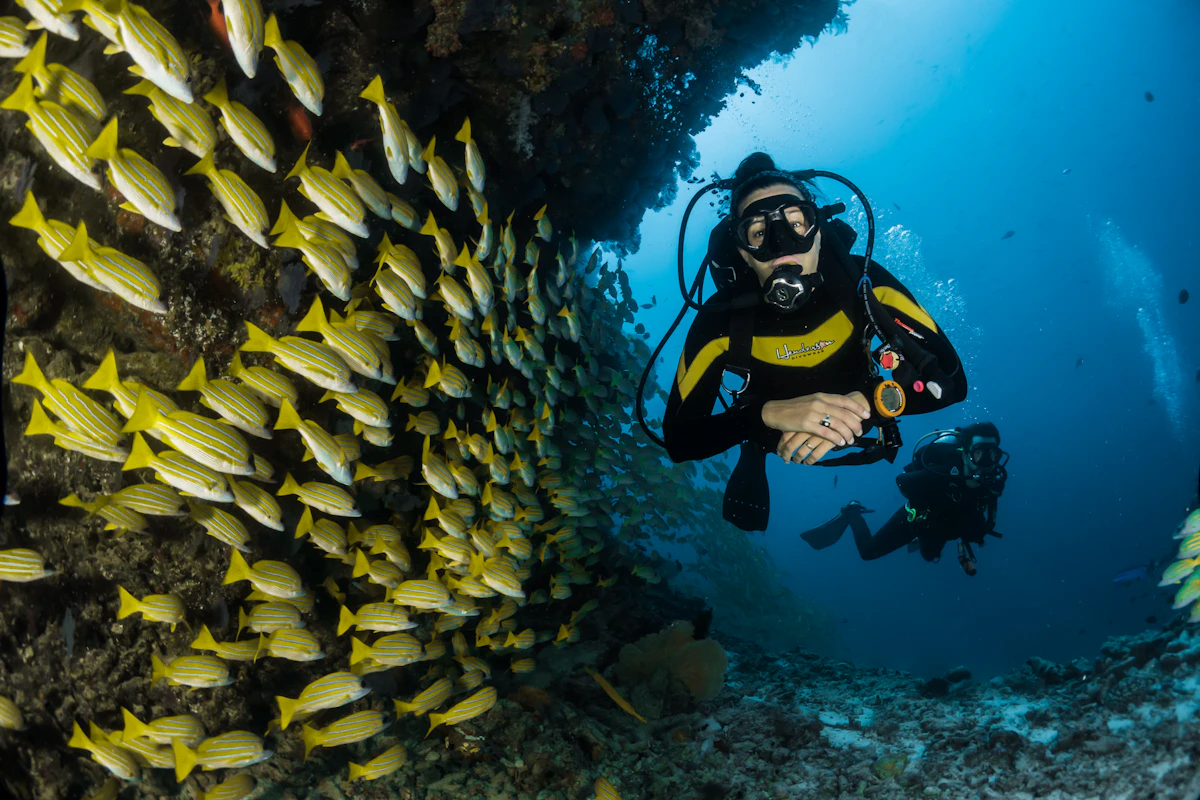
Your boatman cuts the engine a hundred meters out, letting the current nudge the hull toward a crescent of bone-white sand fringed by screw pines. Debotunay Island rises from the Sulu Sea like a knuckle of limestone, its beach a thin ribbon where tidal wash has ground coral into flour. The water here holds three distinct blues—a pale aquamarine band at your ankles, deeper cobalt beyond the drop-off, and an almost violet trench where the reef gives way to open water. Snorkeling the western flank, you'll drift over table corals hosting schools of fusiliers that pivot in unison when your shadow passes. Sea urchins dot the sandy patches between bommies, and if you're still, a hawksbill turtle might glide past, unhurried. The reef slopes gently enough that even tentative swimmers can hover over gardens of staghorn and brain coral without losing sight of the beach. By late afternoon the sun drops behind Busuanga's central massif, casting the beach into soft shadow while the water still glows. Most tours skip Debotunay for the Instagram roll call of Pass and Black islands, leaving you with only the rustle of palm fronds and the tick of cooling sand. Bring your own drinking water—there's no pavilion, no vendor, no sign.
Places, rentals, tours and events within walking and driving distance of Debotunay Island Beach.
Photos
Debotunay Island Beach generally offers safe swimming and snorkeling conditions during the dry season when seas are calm. The waters around the island feature coral reefs and marine life that make for rewarding snorkeling, though you should wear reef-safe footwear and be mindful of currents. As this is a remote, undeveloped island with no rescue services, always swim within your abilities and snorkel with a buddy. Travel with a reputable tour operator who provides safety equipment and knows local conditions. Check weather forecasts before your trip, as conditions can change quickly, especially during monsoon season.
The optimal time to visit Debotunay Island Beach is during the dry season from November through May, when you'll find calm seas, clear skies, and excellent visibility for snorkeling. December to April represents the peak period with the most predictable weather, though you may encounter more tourists. November and May offer a good balance of favorable conditions with potentially fewer visitors. Avoid the wet season from June to October when monsoon rains create rough seas that can make boat travel unsafe and reduce snorkeling visibility. Early morning departures often provide the calmest seas and best lighting for photography.
Debotunay Island Beach is accessible only by boat from Busuanga or Coron town. Since this is a lesser-known destination, you'll likely need to arrange a private boat charter or request its inclusion in a customized island-hopping tour, as standard packages rarely include it. Private charters typically cost 3,500-7,000 pesos depending on group size, boat type, and other stops. The journey takes approximately 45-90 minutes depending on your departure point and sea conditions. Arrange tours through established operators in Coron town who can provide knowledgeable guides and proper safety equipment for this more remote destination.
Debotunay Island Beach is completely undeveloped with no facilities, restaurants, restrooms, or fresh water available. This is a pure nature destination where you must bring everything you need for your visit. Pack sufficient drinking water, food, snacks, sunscreen, and any personal items before departing from Coron or Busuanga. If booking a tour, confirm whether meals are included or if you need to bring your own provisions. All accommodation is located in Coron town or other developed areas of Busuanga. Take all trash with you to help preserve this pristine environment for future visitors.
Debotunay Island Beach offers a genuine off-the-beaten-path experience that's increasingly rare in Palawan. Its remote location and relative obscurity mean you're likely to have the beach largely to yourself, providing an authentic deserted-island experience. The surrounding waters reportedly offer good snorkeling without the crowds found at mainstream destinations like Malcapuya or Banana Island. This beach appeals to adventurous travelers who prioritize solitude and natural beauty over amenities and easy access. Visiting requires more effort in planning and usually a private charter, but rewards you with scenic landscapes and tranquility that popular beaches can't match.