Counting the waves…
Counting the waves…
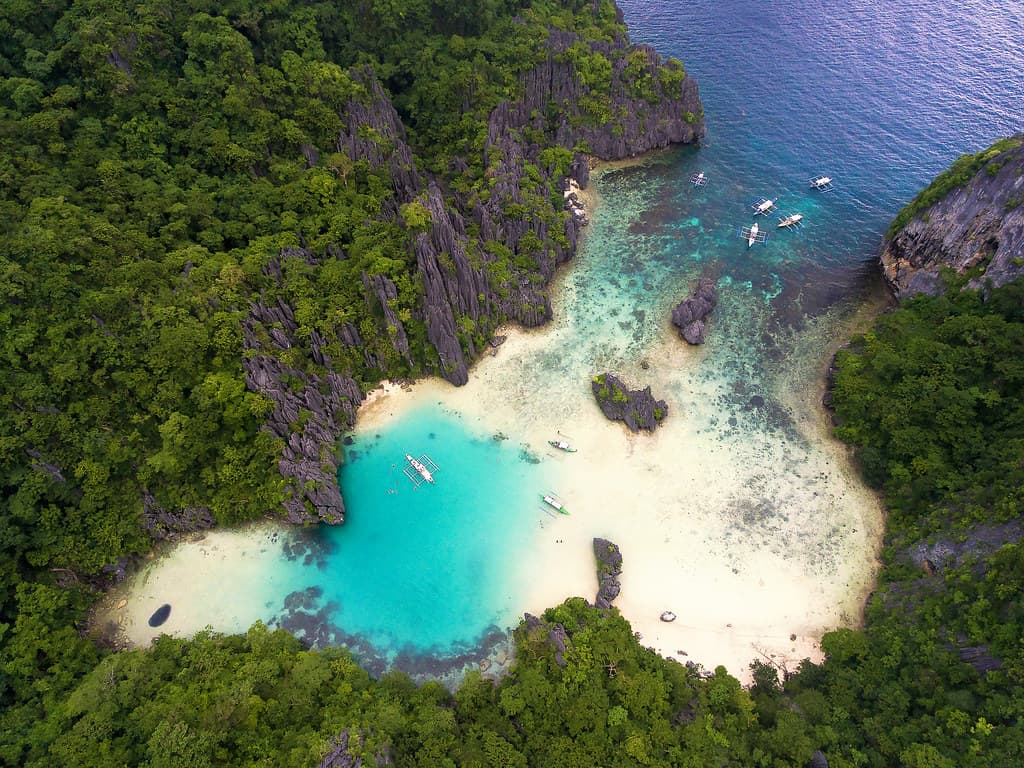
The sand at Nacpan is legitimately white, fine-grained and powdery in the dry season, packed and firm near the waterline where the South China Sea laps in. The beach extends in a gentle curve for nearly four kilometers, backed by coconut plantation and the occasional cluster of simple beach bars and accommodation. You can walk the entire length in an hour, passing from the developed northern section where most visitors congregate to the nearly empty southern stretches where you'll share the sand with water buffalo being walked down for their evening bath. The water is remarkably clear, shifting from pale turquoise in the shallows to deeper blue where the seafloor drops off about fifty meters out. During calm conditions—typically March through May—the surface becomes glass-smooth, perfect for swimming and standup paddling. Monsoon season brings waves and wind, impressive storm systems that roll across the South China Sea and turn the typically placid bay into something more dramatic. The beach bars serve grilled seafood, cold San Miguel, and the kind of simple Filipino food that tastes better when eaten with your feet in the sand. Nacpan's fame has grown steadily as El Nido has exploded in popularity, positioning it as the "unspoiled" alternative despite receiving hundreds of visitors daily in peak season. Still, the sheer length of the beach absorbs crowds better than El Nido's smaller coves, and if you walk south past the last beach bar, you'll find stretches that feel genuinely remote. Locals from the barangay still use the beach for their daily routines—fishing, gathering coconuts, washing vehicles in the shallows—providing a counterpoint to the tourism industry that now dominates northern Palawan's economy. The sunset view stretches across the South China Sea, and on clear evenings, you can watch the light fade while flying foxes begin their nightly migration from the interior forests to offshore feeding grounds.
Places, rentals, tours and events within walking and driving distance of Nacpan Beach.
Photos
Nacpan Beach is generally safe for swimming, though conditions vary depending on weather and season. During the dry season (November-May), the water is typically calm with gentle waves suitable for all swimming levels. The beach has a gradual slope with sandy bottom, making it family-friendly. However, there are no lifeguards on duty. During monsoon season (June-October), waves can become larger and currents stronger, so exercise caution. The northern end tends to be calmer than the southern section. Always assess conditions before entering the water and avoid swimming during rough weather or strong winds.
The best time to visit Nacpan Beach is during the dry season from November through May, with December to March offering optimal conditions. During these months, expect sunny skies, calm seas, and minimal rainfall. Early morning (before 10am) and late afternoon provide the best light for photography and fewer crowds. Weekdays are quieter than weekends when locals also visit. The beach is accessible year-round, but during monsoon season (June-October), you may encounter rain, rougher waves, and occasional road challenges. Sunrise and sunset are particularly beautiful given the beach's 4-kilometer east-west orientation.
Nacpan Beach is located approximately 17-20 kilometers north of El Nido town, about a 45-minute journey. Transportation options include renting a motorcycle (250-400 pesos per day), hiring a tricycle (600-1,000 pesos roundtrip including waiting time), or joining organized van tours. The road is mostly paved with some rough patches and hilly sections. Motorcycle rentals offer flexibility but require riding experience and helmets. Many visitors combine Nacpan with nearby Calitang Twin Beach in one trip. Your accommodation can usually arrange transportation, or you can hire tricycles directly from El Nido town center.
Nacpan Beach has several small beach shacks and local eateries serving Filipino dishes, fresh seafood, grilled items, fruit shakes, and cold drinks at reasonable prices. Options range from basic to modest comfort, with fresh buko (coconut) juice widely available. A few beachfront resorts and guesthouses offer overnight accommodation for those wanting to extend their stay, from budget bamboo huts to more comfortable bungalows. However, most visitors stay in El Nido town where options are more extensive. Facilities are basic, so bring cash as card payments aren't widely accepted. Prices are generally tourist-oriented but affordable.
Nacpan Beach is famous for its impressive 4-kilometer stretch of pristine white sand, making it one of the longest beaches in the El Nido area. Unlike the island-hopping beaches, Nacpan offers a more traditional beach experience with space to walk, relax, and enjoy relative solitude, especially on weekdays. The beach combines powdery white sand with swaying coconut palms and turquoise waters backed by lush green hills, creating postcard-perfect scenery. Its mainland location means easier access without needing a boat. The long, wide shoreline provides plenty of room even during busier periods, offering a laid-back atmosphere distinct from El Nido's dramatic limestone lagoons.