
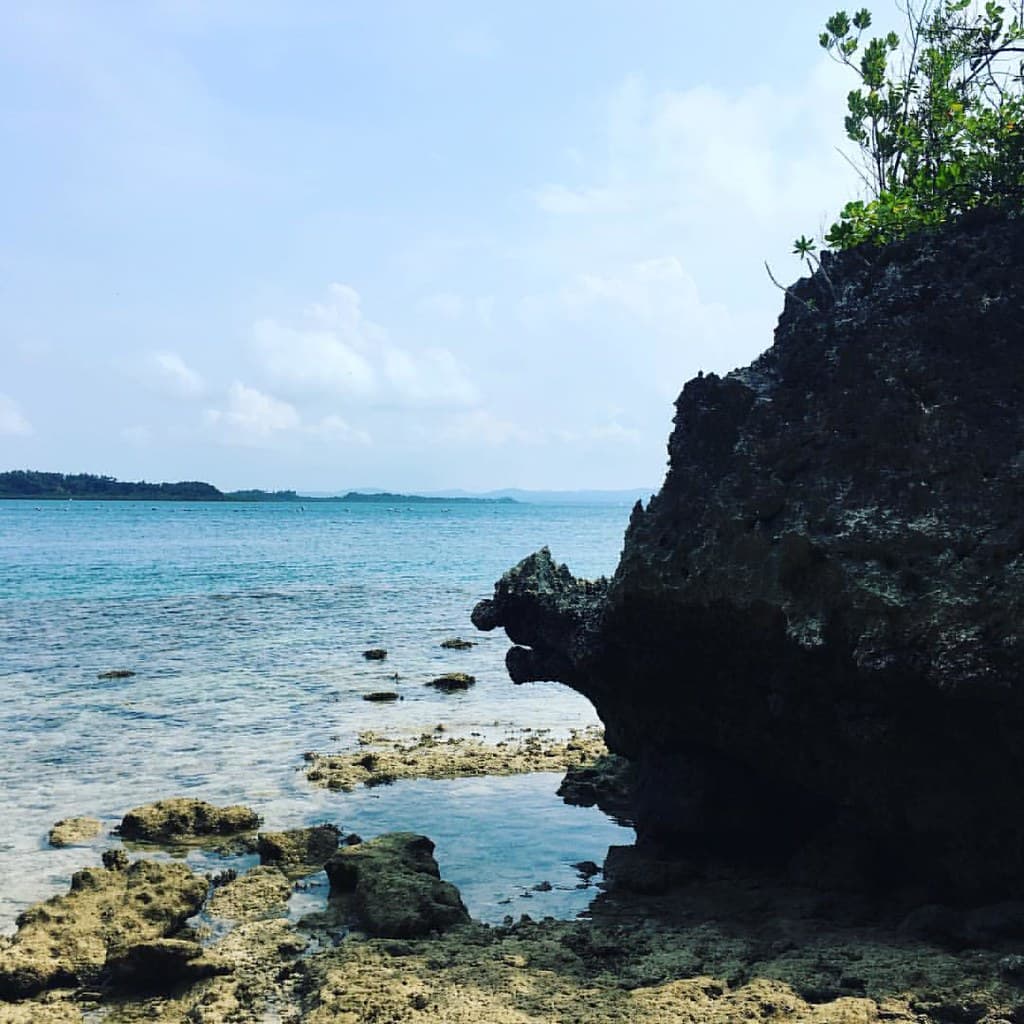
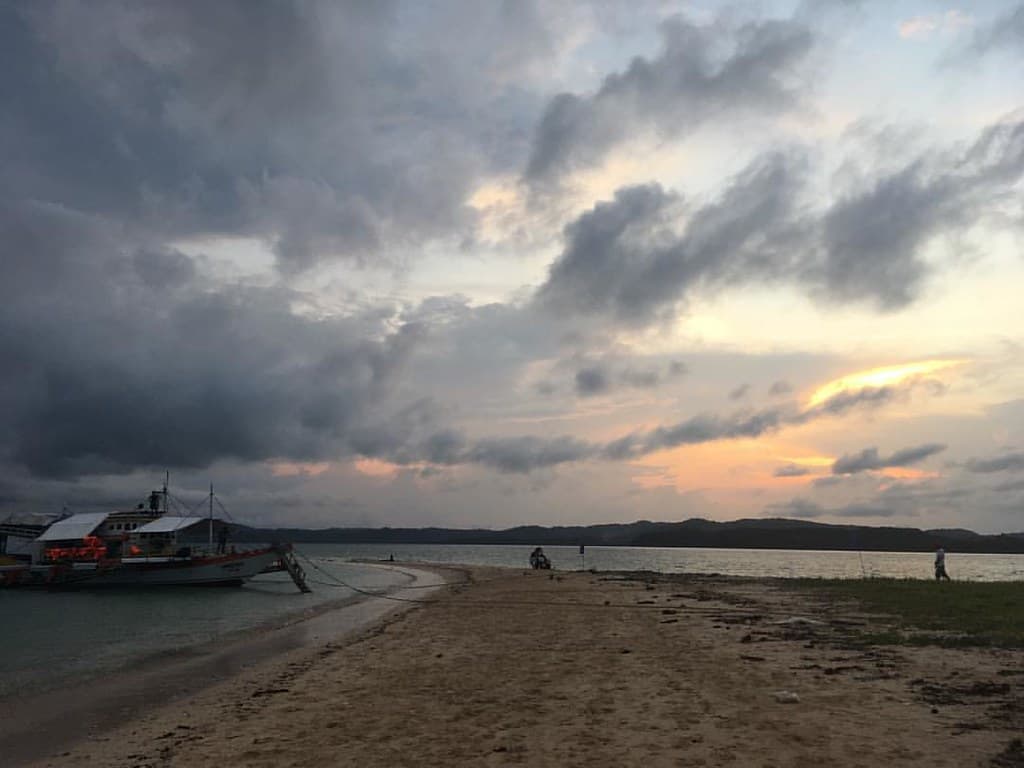
The boat slows as Bakaw-Bakaw appears—a sliver of sand and palms rising from water so blue it looks retouched. The island is maybe sixty meters long, forty meters wide at its widest point. You wade ashore, and within seconds you've seen everything: the beach curves around the southern side, a cluster of six palm trees provides the only shade, and driftwood logs mark the high-tide line. That's it. That's the whole island.
“Bakaw-Bakaw's tiny size eliminates all pretense and distraction, distilling the beach experience to its essential elements: sand, water, sun, and sky.”
 Credit: Flickr
Bakaw-Bakaw Island Beach — photo by lodrose
The simplicity is liberating. There are no trails to hike, no reefs to snorkel, no ruins to photograph. You can swim—the water stays shallow for twenty meters offshore before dropping suddenly into the channel. You can sit in the shade and watch hermit crabs conduct their endless shell-swapping rituals. You can walk to the far end of the beach, which takes ninety seconds, then walk back. The island demands nothing from you except presence.
Your boat operator lights a cigarette and settles into the outrigger, content to wait. Other travelers from your group wade in the shallows, taking selfies with the palms framed behind them. A tern lands on the high-tide wrack, regards you briefly, then continues pecking at stranded mole crabs. In the distance, Polillo's forested hills rise against clouds building toward afternoon rain. You lie back on the sand, close your eyes, and let the sun press against your eyelids. When you open them five minutes later, nothing has changed. That's Bakaw-Bakaw's gift—a place where time moves, but nothing else does.


