
Counting the waves…
Counting the waves…

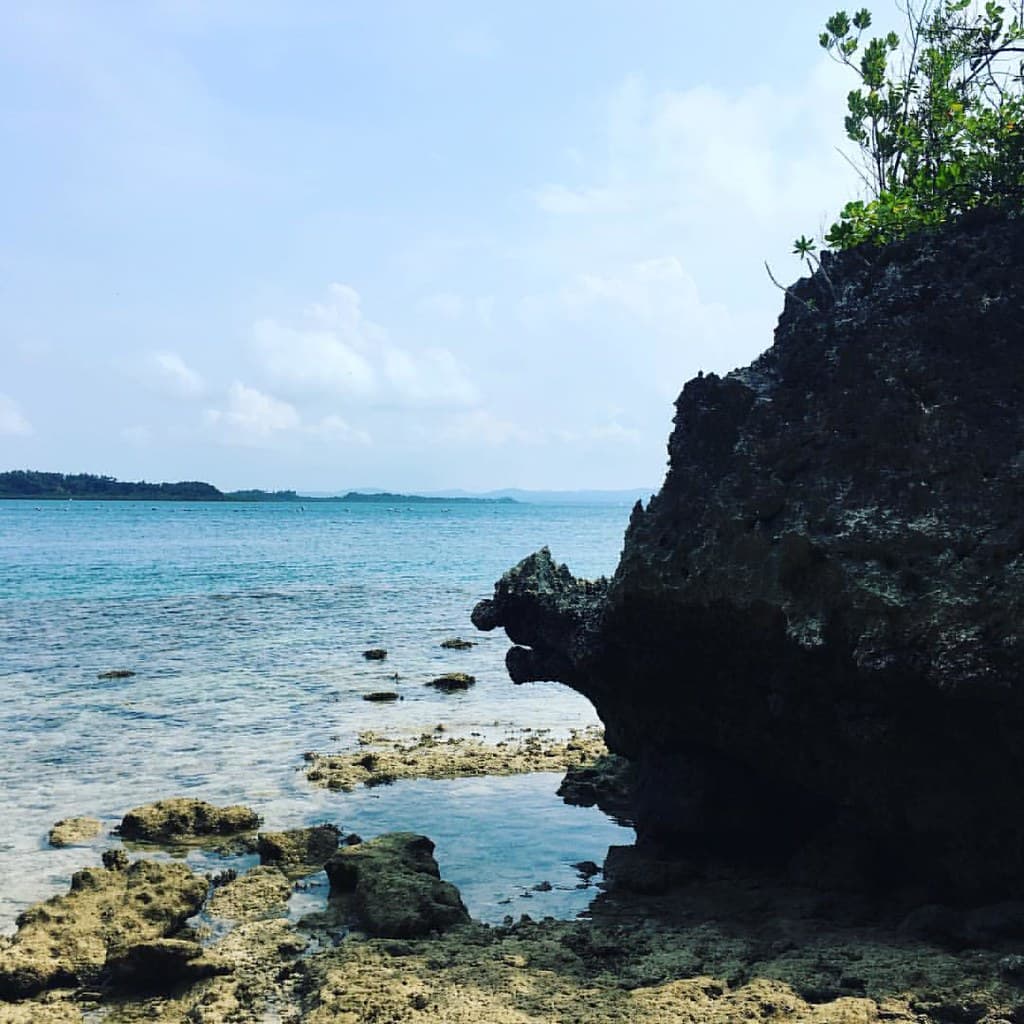
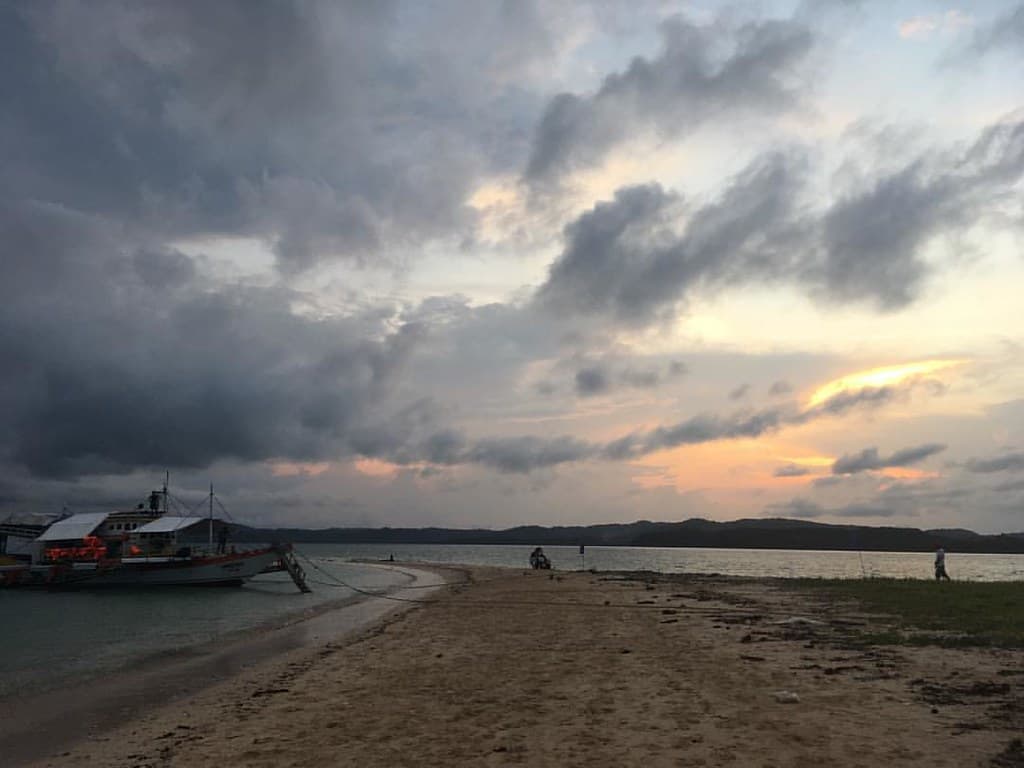
The boat slows as Bakaw-Bakaw appears—a sliver of sand and palms rising from water so blue it looks retouched. The island is maybe sixty meters long, forty meters wide at its widest point. You wade ashore, and within seconds you've seen everything: the beach curves around the southern side, a cluster of six palm trees provides the only shade, and driftwood logs mark the high-tide line. That's it. That's the whole island. The simplicity is liberating. There are no trails to hike, no reefs to snorkel, no ruins to photograph. You can swim—the water stays shallow for twenty meters offshore before dropping suddenly into the channel. You can sit in the shade and watch hermit crabs conduct their endless shell-swapping rituals. You can walk to the far end of the beach, which takes ninety seconds, then walk back. The island demands nothing from you except presence. Your boat operator lights a cigarette and settles into the outrigger, content to wait. Other travelers from your group wade in the shallows, taking selfies with the palms framed behind them. A tern lands on the high-tide wrack, regards you briefly, then continues pecking at stranded mole crabs. In the distance, Polillo's forested hills rise against clouds building toward afternoon rain. You lie back on the sand, close your eyes, and let the sun press against your eyelids. When you open them five minutes later, nothing has changed. That's Bakaw-Bakaw's gift—a place where time moves, but nothing else does.
Places, rentals, tours and events within walking and driving distance of Bakaw-Bakaw Island Beach.
Photos
Swimming conditions at Bakaw-Bakaw Island are generally safe during calm weather, particularly in the dry season. As a small, hidden island without facilities or lifeguards, swimmers must assess conditions independently. The waters around the island are typically clear and suitable for swimming when seas are calm. Check weather forecasts before visiting and avoid swimming during rough conditions or monsoon season. Always swim with companions, stay within reasonable distances from shore, and ensure your boat operator knows your location. Basic water safety precautions are essential for remote island visits.
Visit Bakaw-Bakaw Island during the dry season from November to May for the best weather and sea conditions. The sunniest, driest months are March through May, though temperatures can be quite warm. December to February offers pleasant, cooler weather ideal for beach activities and exploration. The island's hidden nature means it remains uncrowded throughout the year, providing peaceful experiences even during typical peak seasons. Avoid the monsoon months from June to October when heavy rains and rough seas can make boat access dangerous or impossible.
From Manila, travel to Burdeos, Quezon province by bus or private vehicle, a journey of approximately 6-8 hours. Upon arriving in Burdeos, arrange boat transport to Bakaw-Bakaw Island through local boat operators, tour agencies, or your accommodation. The boat ride typically takes 30-60 minutes depending on sea conditions and exact departure point. Many visitors include Bakaw-Bakaw as part of an island-hopping tour visiting multiple islands. Book transportation in advance when possible, confirm weather conditions, and establish clear pickup times with your boatman.
Bakaw-Bakaw Island is a small, undeveloped island with no restaurants, shops, or accommodation facilities. Visitors must bring all necessary supplies including food, drinking water, snacks, and sun protection from Burdeos or their base location. The island is typically visited as a day trip, with travelers staying overnight in Burdeos town where basic hotels, guesthouses, and restaurants are available. If planning extended time on the island, pack adequate provisions. Some island-hopping tours may provide packed meals, so inquire when booking your boat transport.
Bakaw-Bakaw Island's small size and hidden status create an intimate, scenic beach experience perfect for those seeking solitude and natural beauty. The island offers a quintessential deserted-island atmosphere with sandy beaches and clear waters in a compact, easily explored setting. Its scenic qualities make it excellent for photography, peaceful swimming, and relaxation away from crowds. The name itself (bakaw means mangrove) may indicate interesting coastal vegetation. As a less-publicized destination, it provides authentic island exploration experiences and the satisfaction of discovering hidden gems within the Polillo Islands region.