
Counting the wavesβ¦

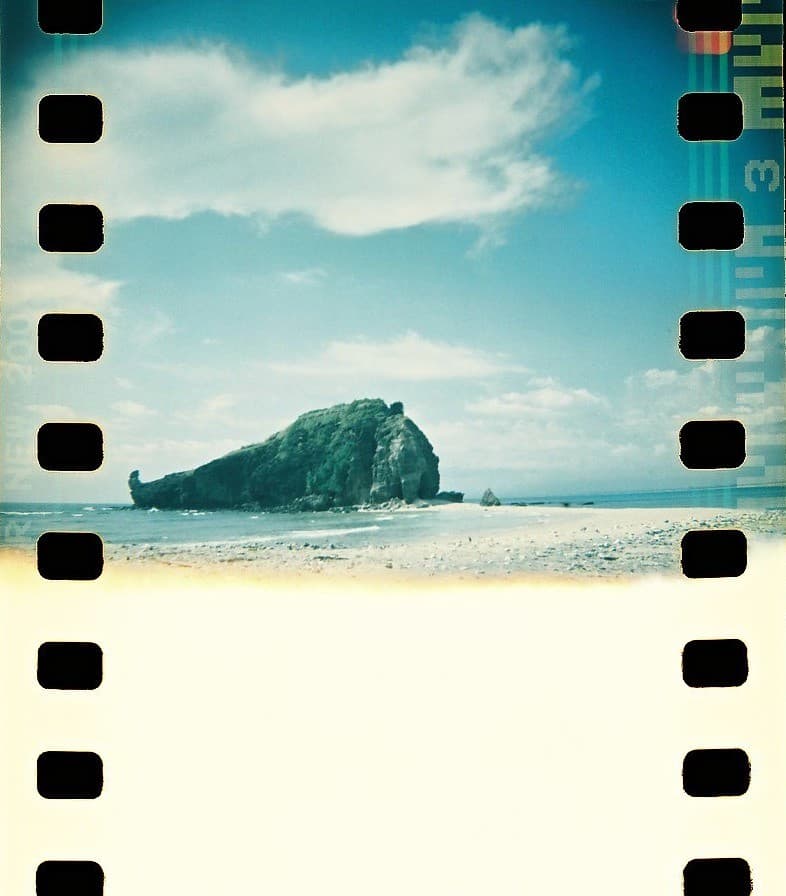
Capones Island announces itself from kilometers offshore: a lighthouse tower striped in peeling paint, perched on a volcanic plug that takes the full brunt of the South China Sea. The beach on the eastern lee is a narrow apron of gray sand and water-smoothed stones, sheltered just enough for bancas to land without capsizing. You'll step onto shore and immediately smell the salt-crusted rocks baking under the equatorial sun, hear the percussion of waves against the western cliffs where seabirds nest in the crevices. The lighthouse rewards the scramble up broken stone steps with views across the Zambales coastβon clear mornings you can trace the shoreline from Subic to Iba. Below, the water toggles between turquoise over sandbars and indigo where the reef plunges. Boatmen anchor here for an hour, maybe two, as part of the standard island-hopping circuit from Pundaquit, giving you time to snorkel the coral gardens on the southern point or simply sit in the scant shade of the tower. This isn't a beach for lounging. The sand is gritty with volcanic minerals, the sun relentless. But Capones delivers something more valuable than comfort: the visceral thrill of standing on a rock in the middle of open water, surrounded by nothing but wind and waves and the ghosts of Spanish sailors who once tended the light.
Places, rentals, tours and events within walking and driving distance of Capones Island Beach.
Photos
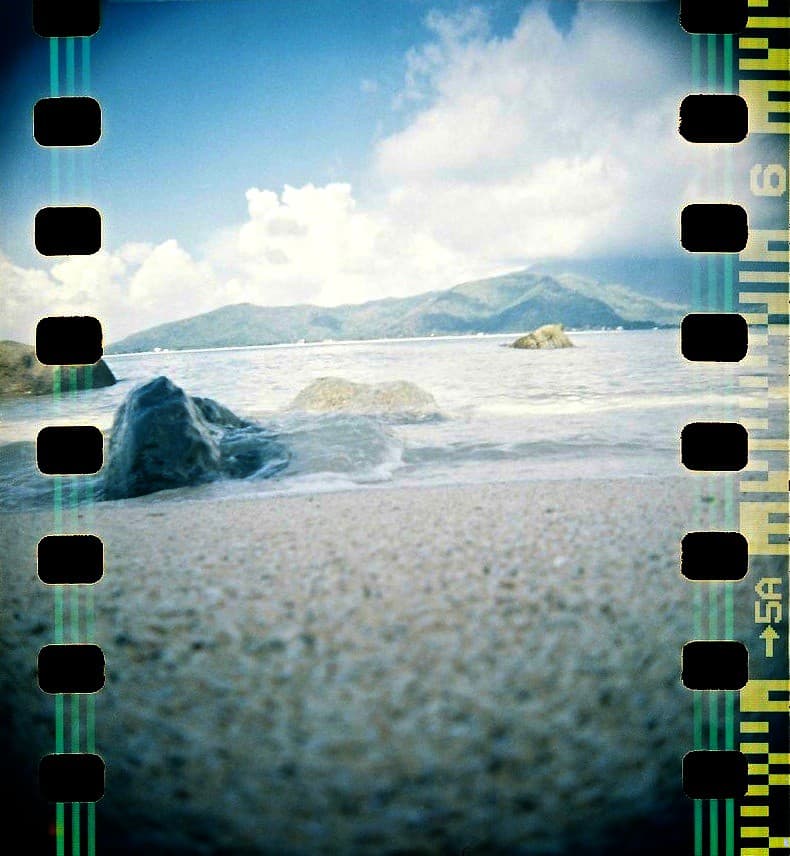
Swimming conditions at Capones Island vary depending on weather and sea conditions. During calm weather, the waters around the island are generally safe for swimming, though currents can be present. Always check weather forecasts before your trip and follow your boat operator's advice. The beach is rocky in some areas, so wear water shoes. Avoid visiting during the monsoon season (June-September) when waves can be strong and boat trips may be cancelled for safety reasons.
The ideal time to visit Capones Island is during the dry season from November to April, with December to February offering the calmest seas and best weather. March and April can be hot but still excellent for island hopping. Weekdays see fewer crowds compared to weekends and holidays. Early morning departures are recommended to enjoy the beach before midday heat and to allow time for exploring the iconic lighthouse. Avoid the rainy season from June to October when trips are frequently cancelled.
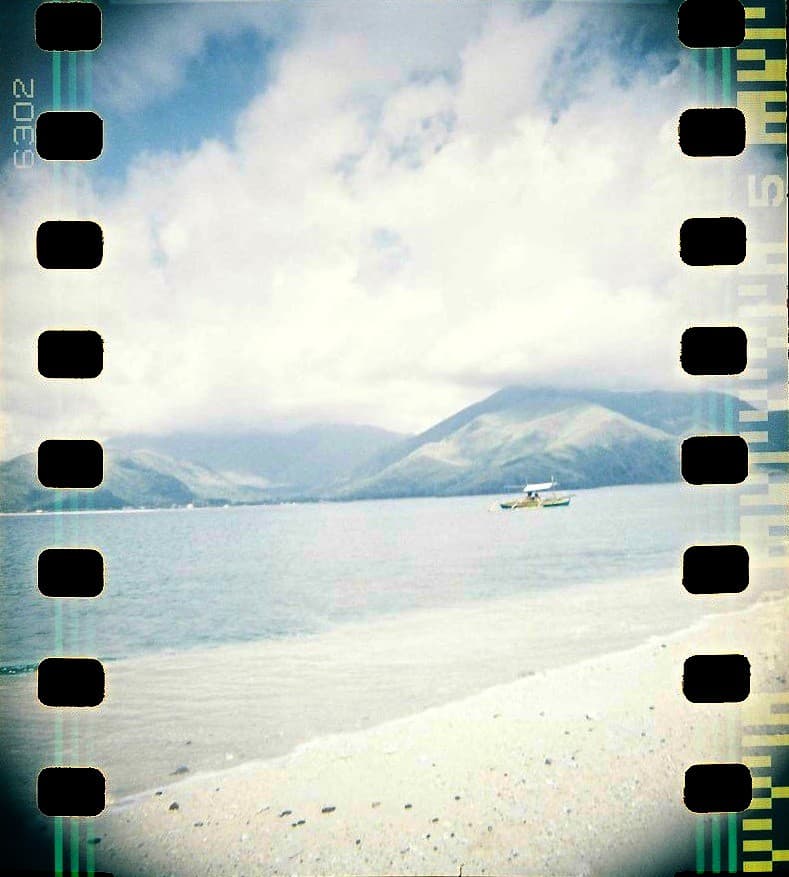
From Manila, take a bus to San Antonio, Zambales (approximately 4-5 hours), then transfer to a tricycle to Pundaquit Beach (15-20 minutes). From Pundaquit, hire a boat to Capones Island; the journey takes about 20-30 minutes. Boats are typically arranged at the Pundaquit Barangay Hall or through local tour operators. Island hopping tours often combine Capones with nearby Camara and Anawangin Cove. Many visitors opt for organized day tours or overnight camping packages that include transportation and boat rental.
Capones Island has no permanent food vendors or accommodation facilities, as it's primarily a day-trip destination. Visitors should bring their own food, water, and supplies from the mainland. Some tour packages include packed meals. For overnight stays, camping is possible with proper permits, but you must bring all camping gear and provisions. Accommodation and dining options are available in nearby Pundaquit village or San Antonio town. Most visitors stay on the mainland and visit Capones as part of a day tour.
Capones Island is distinguished by its historic Spanish-era lighthouse built in 1890, perched on rocky cliffs offering panoramic views of the West Philippine Sea. The island features dramatic rock formations and clear waters ideal for snorkeling. Unlike sandy resort beaches, Capones has a rugged, untouched character with pebbled shores and minimal development. It's popular as part of island-hopping itineraries combined with Camara Island and Anawangin Cove. The lighthouse hike and the island's wild beauty make it a photographer's favorite and adventure destination.