Counting the waves…
Counting the waves…
A refined fusion of water purity, environmental stability, and communal vibrancy for Nagsasa Cove.
View MethodologyAnalyzed via live sensors and environmental data.
Wave height, wind, and atmospheric stability.
Live footfall and crowd balance metrics.
Community reviews and curated sentiment.
“A river mouth empties into a horseshoe bay surrounded by mountains that hold their green even through dry season. Camp where freshwater meets saltwater, wake to mist pouring down forested ridges, and spend days…”
Limited recent visitor reports — live OBI telemetry is your best guide for current conditions.
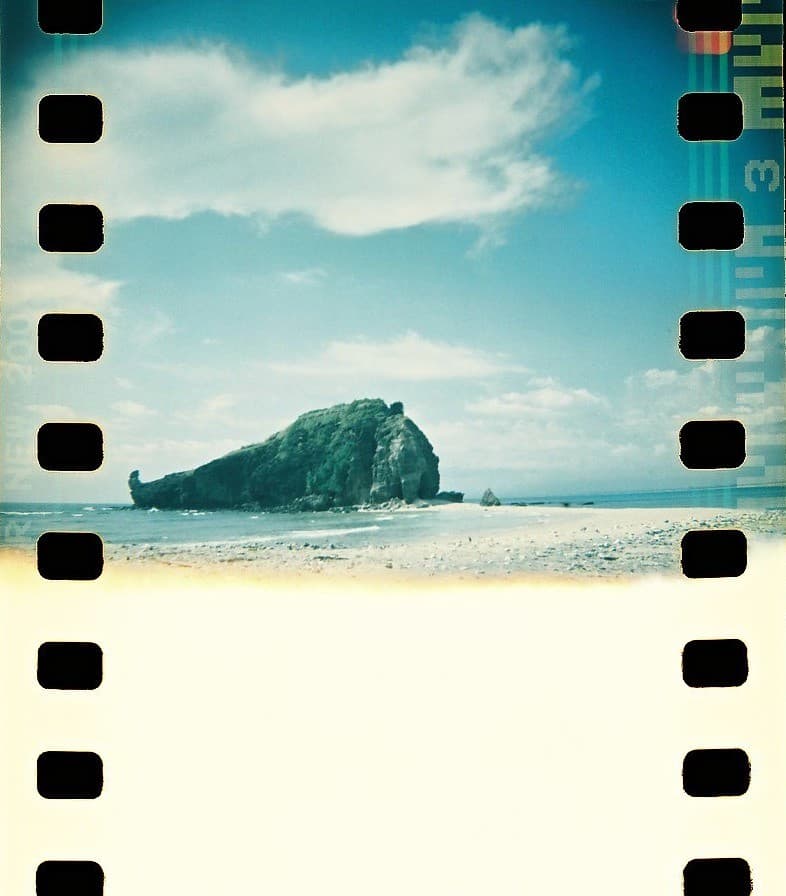
The boat from Pundaquit follows the coastline past fishing villages and limestone cliffs before rounding a headland into Nagsasa's broad embrace. Mountains rise steeply from the beach, dense with vegetation that shifts from emerald to jade depending on cloud cover. A river cuts through the cove's southern end, its freshwater pushing a lighter plume into the bay's blue-green depths.
You'll pitch your tent on coarse sand under the shade of beach almond trees, close enough to hear both river burble and wave wash. The camping area sprawls without formal boundaries—groups claim their territories with tarps and coolers, spacing themselves for privacy. Locals from the small settlement offer grilled fish and rice for reasonable prices, hauling supplies in the same boats that brought you here. By afternoon, when heat presses down, everyone migrates to the river for freshwater relief.
 Credit: Unsplash
brown, red, and white rowboats on body of water near shore during daytime
 Credit: Unsplash
a man standing on top of a beach next to the ocean
Climb to viewpoint overlooks
Freshwater pools above the beach
Paddle the protected bay
Prime Visitation
Best Weather|Less Crowds
Where it is
Nagsasa Cove
San Antonio, Zambales, Philippines
14.893000°, 120.073000°
Weather
Loading…
Swell
—
Temp
Warm · Restorative
UV Index
Moderate
Wind
—
Tidal State
Last known
Max Sunlight
—
Ideal Shade
—
Jan - Dec (Peak)
May - Nov (Off-season)
Best Weather|Less Crowds
Select a category to load nearby places.
Unlock restaurants, luxury stays and curated maritime experiences within 2km
Nagsasa Cove offers generally safe swimming conditions thanks to its protected cove location, particularly during the dry season. The waters are typically calm with a gentle slope, suitable for most swimmers including families. However, conditions vary with weather and tides, and there are no lifeguards present. During monsoon season or rough weather, waves can become stronger and swimming may be unsafe. Always assess conditions upon arrival and heed local advice. The remote nature means emergency services are far away, so exercise appropriate caution and never swim alone or beyond your abilities.
The best time for camping at Nagsasa Cove is during the dry season from November to May, when clear skies and calm seas ensure enjoyable camping and safe boat travel. March to May offers the warmest, most stable weather, perfect for stargazing from your tent. November to February provides cooler, more comfortable camping temperatures with fewer crowds, especially on weekdays. Avoid June to October when monsoon rains can make camping miserable and rough seas may cancel boat trips. Plan for weekend and holiday crowds; weekday visits offer a more peaceful, secluded camping experience.
Reaching Nagsasa Cove requires boat access from Pundaquit, San Antonio, Zambales. Travel from Manila to San Antonio (approximately 4-5 hours by bus via Victory Liner or similar), then take a tricycle to Pundaquit. From Pundaquit beach, arrange a boat transfer taking about 45 minutes to an hour to Nagsasa. Boats can be hired through local tour operators or directly with boatmen; sharing costs with other travelers reduces expenses. Tours often combine visits to nearby Anawangin Cove. Always confirm weather conditions before departure as rough seas can prevent trips.
Nagsasa Cove is more rustic than Anawangin, with minimal facilities that preserve its natural character. Basic toilet facilities and limited freshwater are available. There are no permanent food establishments, so campers must bring all food and drinking water or arrange meal packages through tour operators in Pundaquit. Some local families occasionally sell drinks or simple snacks, but don't rely on this. Camping equipment can be rented from operators or brought from home. The lack of development is part of the appeal, so come prepared with everything you need for self-sufficient camping.
Nagsasa Cove is renowned for offering one of the Philippines' best camping experiences due to its pristine, undeveloped coastline and dramatic natural setting. The cove features clear waters, fine sand, and a backdrop of lush mountains creating stunning scenery. It's more secluded and less crowded than neighboring Anawangin, appealing to campers seeking solitude and authentic nature immersion. The night sky offers spectacular stargazing away from city lights. The combination of scenic beauty, peaceful atmosphere, boat-access exclusivity, and opportunities for swimming, trekking, and bonfire gatherings makes it a favorite among camping enthusiasts.
Photos