Counting the waves…
Counting the waves…
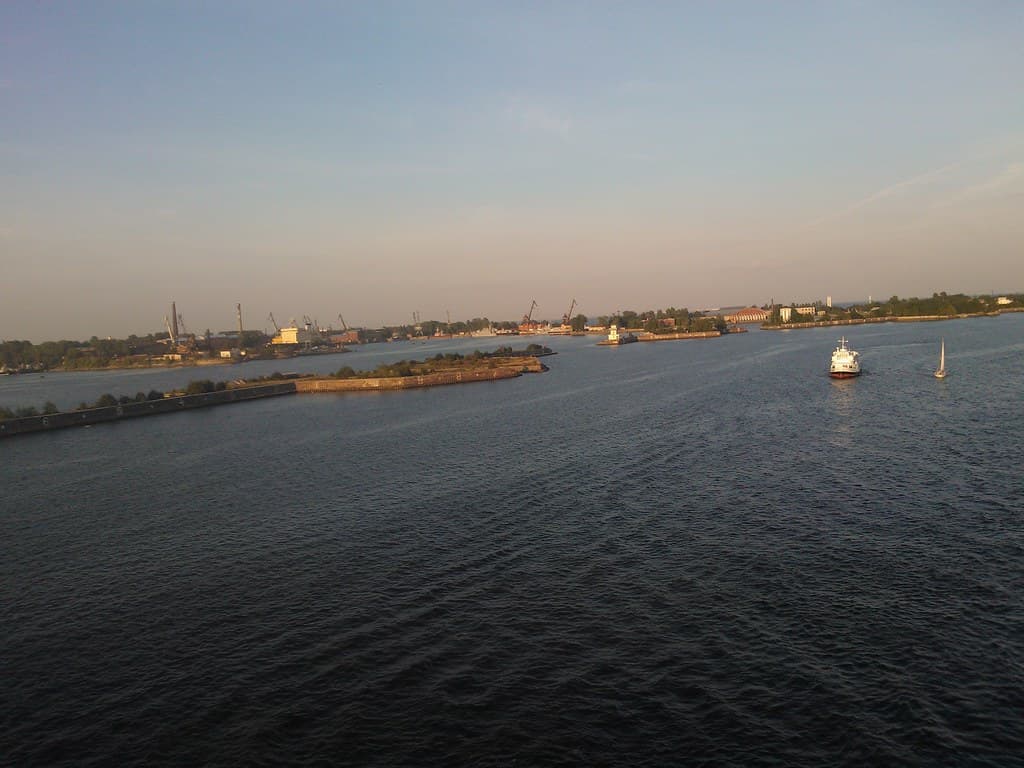
Kotlin West Shore Beach, situated on the western edge of Kotlin Island near Kronstadt, offers a dramatically different coastal experience. This isn't a place for soft sands and gentle dips; instead, it's a rugged, rocky shoreline where the powerful forces of the Baltic Sea have sculpted a landscape of raw, untamed beauty. The air here is invigorating, carrying the scent of salt and the wildness of the open water. The beach is characterized by its unique rock formations and scattered stones, inviting exploration and contemplation. The waves crash against the shore with a rhythmic intensity, a constant reminder of the sea's enduring power. This remote island setting ensures a profound sense of solitude, making it an ideal destination for those seeking a quiet communion with nature and a break from the ordinary. Imagine the wind whipping through your hair as you gaze out at the vast expanse of the Gulf of Finland, the distant horizon blurring into the sky. It's a place where history whispers through the fortifications of Kronstadt, and nature asserts its dominance. Kotlin West Shore Beach is an irreplaceable experience for adventurers and those who appreciate the stark, beautiful grandeur of a truly remote shoreline.
Places, rentals, tours and events within walking and driving distance of Kotlin West Shore Beach.
Photos
Swimming conditions at Kotlin West Shore Beach can be challenging due to its rocky shoreline and the cold waters of the Gulf of Finland. The Baltic Sea waters here typically remain quite cold even in summer, reaching only 16-18°C. Rocky beaches present risks of slipping and sharp edges. There are generally no lifeguards or safety facilities at this remote location. Strong currents can occur in the gulf waters. If you choose to swim, exercise extreme caution, wear appropriate footwear, and never swim alone.
The optimal time to visit Kotlin West Shore Beach is during late June through August when temperatures are warmest and daylight hours are longest due to Saint Petersburg's northern latitude. This period offers the best chance of pleasant weather, though conditions can still be unpredictable. Visiting during weekdays rather than weekends ensures fewer crowds at this already quiet location. Spring and early autumn can be peaceful but expect colder temperatures and wind. The remote, hidden nature of this beach means it's rarely crowded even during peak season.
Kotlin Island and Kronstadt are connected to mainland Saint Petersburg via the Kotlin Highway dam road. From central Saint Petersburg, drive approximately 50 kilometers west, or take public buses that run to Kronstadt. Once in Kronstadt city, you'll need to navigate to the western shore of the island. Public transport within Kronstadt is limited, so a car or taxi is recommended. The beach's remote location means it's not well-signed, and you may need to ask locals for specific directions to the western shoreline areas.
The immediate beach area has minimal facilities due to its remote nature. Kronstadt city center, several kilometers away, offers various restaurants, cafes, and small hotels or guesthouses catering to visitors exploring the historic naval town. Most visitors treat this as a day trip from Saint Petersburg rather than an overnight destination. It's advisable to bring your own food and drinks when visiting the beach itself. Kronstadt has grocery stores and eateries serving Russian cuisine, but options thin out considerably as you move toward the island's western shore.
This beach offers a distinctly remote, island experience on the western shore of historic Kotlin Island, home to the fortress-city of Kronstadt. Unlike the more developed northern Gulf of Finland beaches, this rocky shoreline provides raw, untouched coastal scenery facing open gulf waters. The location offers unique views across the Gulf of Finland and memorable sunsets over the water. The combination of naval history from nearby Kronstadt fortifications and isolated natural beauty creates an unusual atmosphere. It's ideal for those seeking solitude and dramatic Baltic coastal landscapes away from tourist crowds.