Counting the waves…
Counting the waves…
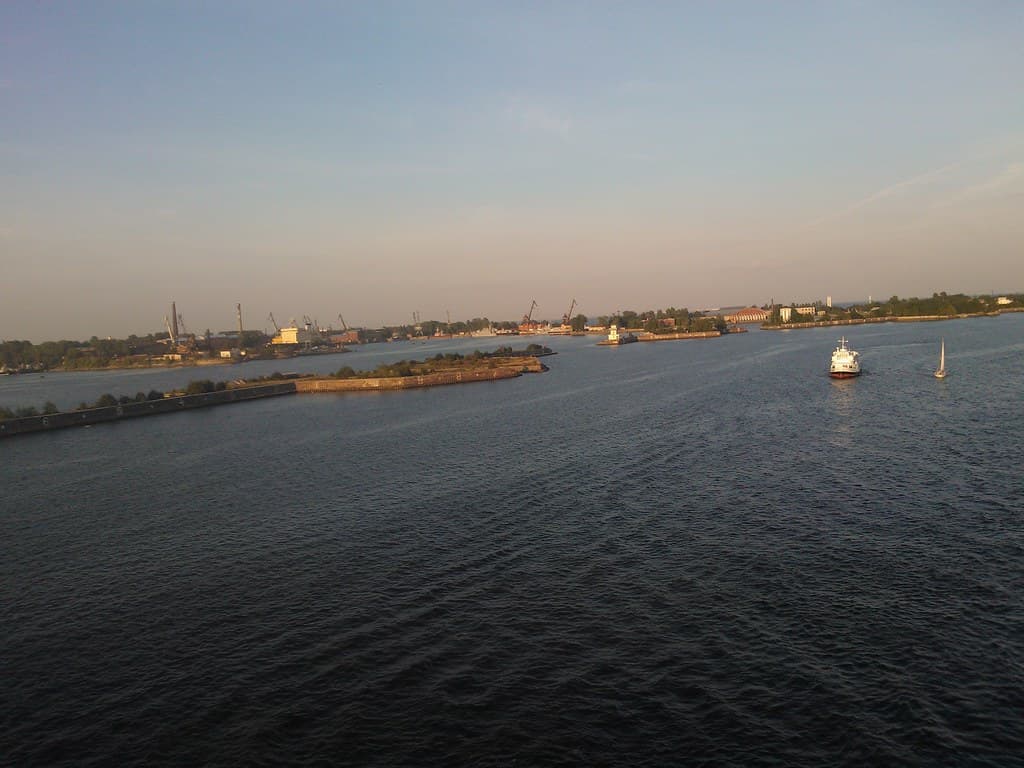
Kronstadt City Beach provides a distinctive coastal experience, set against the backdrop of Kotlin Island's rich naval history. This sandy stretch offers more than just a place to sunbathe; it's a vantage point from which to appreciate the unique character of Kronstadt, with its formidable forts and maritime heritage visible from the shore. Despite its urban setting, the beach maintains a relaxed atmosphere, inviting visitors to unwind. You'll find locals enjoying the sun, children playing in the sand, and the occasional ship passing by, a reminder of the island's strategic importance. The gentle slope into the Gulf of Finland makes it suitable for a refreshing dip. Its accessibility and proximity to Kronstadt's attractions make it an ideal stop for those exploring the island. After wandering through historical streets and visiting museums, the beach offers a perfect spot to rest, reflect, and enjoy the open water views. It's a beach that truly embodies the spirit of island life.
Places, rentals, tours and events within walking and driving distance of Kronstadt City Beach.
Photos
Kronstadt City Beach offers swimming in the Gulf of Finland with typical Baltic conditions—cool water temperatures reaching 17-20°C in summer and sandy, gradually deepening bottoms. As an island location, currents can be stronger than mainland beaches, so caution is advised. The beach has organized sections with some supervision during peak season. Water quality is generally acceptable but can vary, so check local advisories. The naval heritage means boat traffic exists in surrounding areas, though swimming zones are designated. Families should supervise children carefully due to the island's exposure to open water conditions.
The best weather at Kronstadt City Beach occurs from late June through August, with July typically offering the warmest temperatures (20-25°C) and most sunshine. The island location can be windier than mainland beaches, so conditions may feel cooler. Weekdays are less crowded than weekends when Saint Petersburg residents visit. Early June and September provide milder weather with fewer visitors but significantly cooler water. The beach is most enjoyable on calm, sunny days; wind can make the experience less pleasant. Combine beach visits with sightseeing to maximize your trip regardless of conditions.
Kronstadt is accessible from Saint Petersburg via the KAD ring road and the dam crossing, approximately 48 kilometers west. Buses and marshrutkas run regularly from metro stations including Staraya Derevnya and Chernaya Rechka, taking about 60-90 minutes depending on traffic. The beach is within walking distance of central Kronstadt. By car, follow signs to Kronstadt via the dam; parking is available in the city. No passenger trains currently serve Kronstadt. The journey offers views of the Gulf of Finland and the impressive flood protection barriers. Allow extra time during summer weekends.
Kronstadt offers various dining options including restaurants, cafes, and eateries serving Russian and seafood dishes, reflecting its naval heritage. The city center has supermarkets, bakeries, and convenience stores. Accommodation includes several hotels and guesthouses, though many visitors make day trips from Saint Petersburg given the proximity. The beachfront area has seasonal cafes and snack vendors during summer. As a historic naval city, Kronstadt has more robust infrastructure than small resort villages. Restaurants near the main squares and along Sovietskaya Street offer diverse choices. Book accommodation in advance during summer and festival periods.
Kronstadt City Beach is unique as the primary beach on Kotlin Island, a historic naval fortress city closed to foreigners until 1996. The beach combines recreational use with proximity to significant maritime and military heritage sites, including naval cathedrals, fortifications, and museums. Swimming here means experiencing the Gulf of Finland from an island perspective, with different views and conditions than mainland beaches. The beach serves both as a local amenity and tourist destination, where visitors can combine sunbathing with exploring Russia's naval history. This blend of natural recreation and cultural significance makes it distinctive among regional beaches.