Counting the waves…
Counting the waves…
A refined fusion of water purity, environmental stability, and communal vibrancy for Macassar Beach.
View MethodologyAnalyzed via live sensors and environmental data.
Wave height, wind, and atmospheric stability.
Live footfall and crowd balance metrics.
Community reviews and curated sentiment.
“Macassar Beach is a raw, untamed expanse where towering sand dunes meet the vastness of False Bay, offering a sense of solitude and rugged beauty. This remote stretch of coastline, often overlooked by mainstream…”
Limited recent visitor reports — live OBI telemetry is your best guide for current conditions.
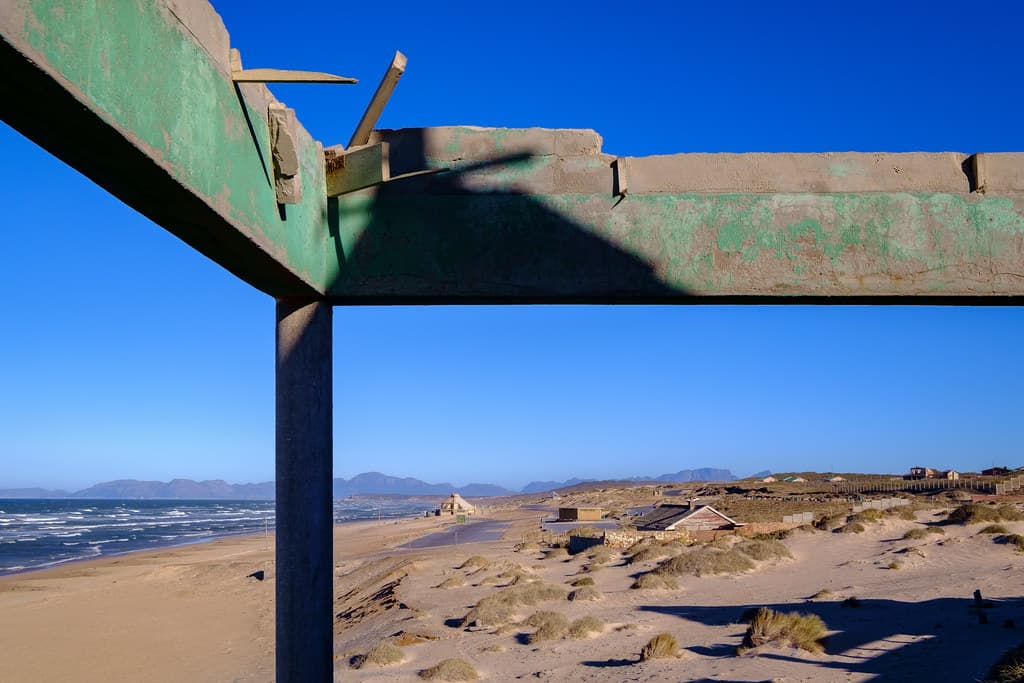
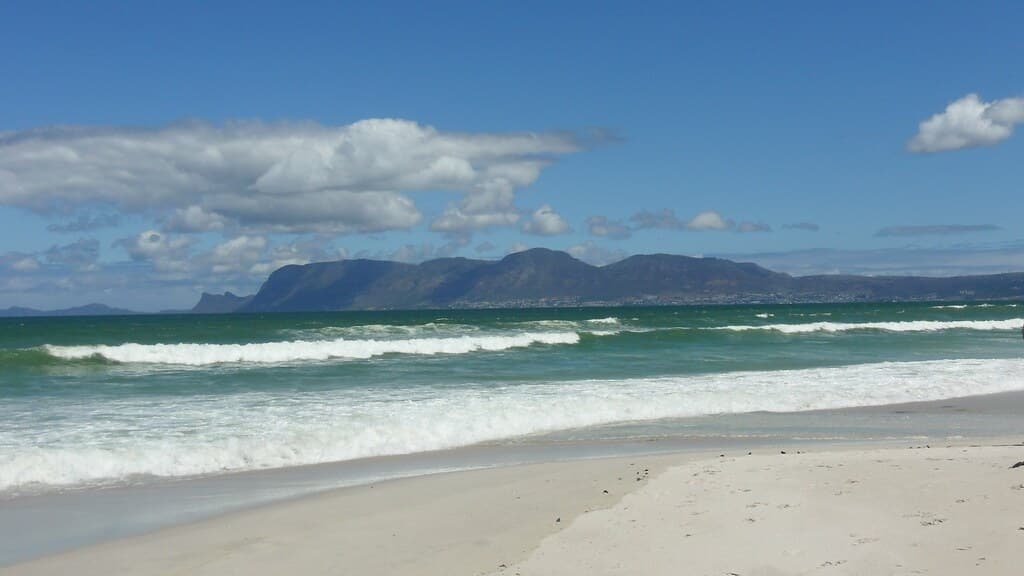
Venture to Macassar Beach and step into a landscape sculpted by wind and sea, where colossal sand dunes rise dramatically behind a wide, sandy shore. This isn't your typical tourist hotspot; instead, it's a place of profound natural beauty and quiet contemplation, where the wildness of the Cape coastline truly comes to life.
The beach itself is expansive, offering seemingly endless stretches for walking, beachcombing, and finding your own private patch of sand. The Indian Ocean here can be vigorous, reflecting the untamed spirit of the surroundings. While swimming might be more suited to stronger swimmers, the sheer power and beauty of the waves crashing on the shore are a spectacle in themselves.
 Credit: Unsplash
Rocky coastline with lush green forest and blue sky
 Credit: Unsplash
Sandy beach at low tide under a vast, cloudy sky
Explore vast dunes
On expansive sands
Capture rugged beauty
Prime Visitation
Less Crowds
Where it is
Macassar Beach
Muizenberg, Western Cape, South Africa
-34.075400°, 18.758300°
Weather
Loading…
Swell
—
Temp
Warm · Restorative
UV Index
Moderate
Wind
—
Tidal State
Last known
Max Sunlight
—
Ideal Shade
—
Jan - Dec (Peak)
Mar - Nov (Off-season)
Historical data suggests peak visibility and stable sea temperatures occur during the prime visitation window.
Near Macassar Beach
Explore dining, stays, nightlife, and activities near Macassar Beach in Muizenberg, South Africa. Every listing below is a real place linked to this beach — open a card for reviews, maps, and booking options.
Food, cafés, and dining close to Macassar Beach — curated from places linked to this beach.
Stays and lodging options near Macassar Beach for your beach trip.
Activities, tours, and attractions near Macassar Beach.
Select a category to load nearby places.
Unlock restaurants, luxury stays and curated maritime experiences within 2km
Macassar Beach is generally safe for swimming, though it lacks lifeguard services found at more developed beaches. False Bay waters can be cool year-round and currents may be present, so swimmers should exercise caution. The beach's remote nature means fewer people around in emergencies. It's advisable to swim in groups and stay close to shore. Be aware of changing weather conditions and wind patterns typical of False Bay. Parents should closely supervise children. Local knowledge suggests avoiding swimming during strong winds or after storms when currents strengthen.
Macassar Beach naturally experiences fewer crowds year-round due to its remote location and lower tourism profile. Weekdays are quietest, offering near-private beach experiences. Early mornings provide the most solitude and best light for photography. The beach remains relatively uncrowded even during South African summer holidays (December-January) compared to popular spots like Muizenberg. Shoulder seasons (April-May and September-October) offer pleasant weather with minimal visitors. Winter months see the fewest people but can be cold and windy, though still scenic for beach walks.
Macassar Beach is located east of Muizenberg along False Bay, requiring a car for easiest access. From Cape Town, drive approximately 40-50 minutes via the M5 or N2 highways toward Somerset West, then follow local roads to Macassar township and the coast. Signage may be limited, so GPS navigation is recommended. Public transport is less convenient, though minibus taxis serve the Macassar area from surrounding townships. Parking areas near the beach may be informal. The beach's remote nature means fewer clear tourist routes, so confirm directions locally.
Macassar Beach has minimal commercial development directly on-site, so visitors should bring their own food and supplies. The nearby Macassar township offers local shops and informal eateries serving traditional South African cuisine. For more extensive dining and accommodation, Muizenberg and Somerset West (both 10-20 minutes away) provide restaurants, cafés, hotels, and guesthouses. Strand, another nearby town, offers additional options. The beach suits day trips with packed picnics. Visitors seeking amenities should base themselves in established tourist areas and visit Macassar Beach as an excursion.
Macassar Beach stands out for its authentic local character and dune-backed landscape, offering an uncommercialized False Bay experience. Unlike tourist-focused beaches, it maintains strong community identity with primarily local use, providing cultural insight into Cape Town beyond typical visitor circuits. The expansive sandy shoreline and natural dune systems create scenic beauty without development. Its relative anonymity ensures tranquility and space rare on Cape Town's coast. The beach represents important recreational space for surrounding communities, making it culturally significant beyond its physical attributes and valuable for travelers seeking genuine local experiences.
Photos