Counting the waves…
Counting the waves…
A refined fusion of water purity, environmental stability, and communal vibrancy for Koh Phra Thong Beach.
View MethodologyAnalyzed via live sensors and environmental data.
Wave height, wind, and atmospheric stability.
Live footfall and crowd balance metrics.
Community reviews and curated sentiment.
“Koh Phra Thong translates to Golden Buddha Island, named for a legend no one quite remembers anymore. What remains is sand the color of bleached bone and a coast untouched because development is legally forbidden.”
Limited recent visitor reports — live OBI telemetry is your best guide for current conditions.
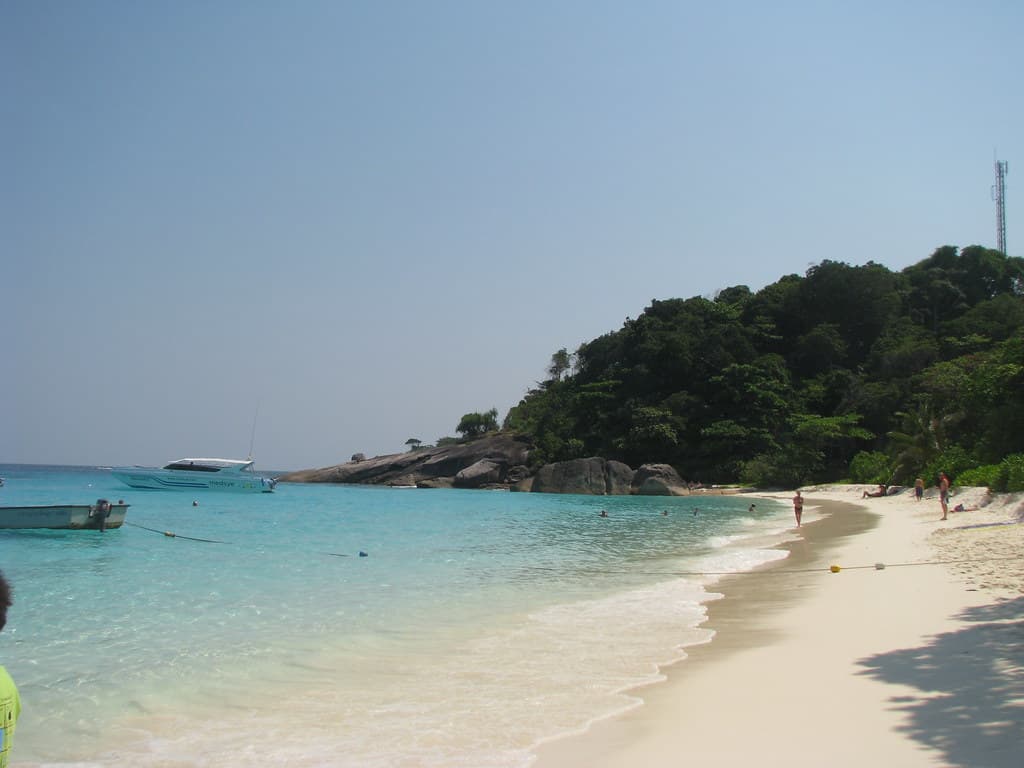
The longtail cuts its engine fifty meters offshore, unable to navigate closer through the shallows at low tide. You wade to the beach through ankle-deep water so clear you can count individual grains of quartz tumbling in the gentle surge. The sand stretches north and south beyond sight lines, a single uninterrupted band fronting savanna grassland that ripples in the offshore breeze. Behind the grass, casuarina and mangrove form a dense wall, and beyond that, the island's interior lagoons where salt and fresh water mix in brackish alchemy.
Koh Phra Thong's protection is bureaucratic and absolute: the island falls within national park boundaries, limiting development to a handful of eco-lodges that operate under strict permits. No high-rises, no beach clubs, no ATV tours scarring the dunes. What you get instead is the Andaman coast as it existed before tourism rewrote its economy. Elephant tracks cross the beach at dawn, deep impressions where bulls walked down from the interior to drink. Ghost crabs excavate burrows that honeycomb the upper beach. At night, green turtles drag themselves ashore to nest, their tracks erased by morning tide.
 Credit: Unsplash
a boat in the water near a beach
 Credit: Unsplash
green body of water near brown rock formation during daytime
Document wildlife crossings at dawn
Trek grasslands to interior lagoons
Wade through crystalline low tide
Prime Visitation
Anytime
Where it is
Koh Phra Thong Beach
Takua Pa, Phang Nga, Thailand
8.626000°, 98.337000°
Weather
Loading…
Swell
—
Temp
Warm · Restorative
UV Index
Moderate
Wind
—
Tidal State
Last known
Max Sunlight
—
Ideal Shade
—
Jan - Dec (Peak)
May - Nov (Off-season)
Historical data suggests peak visibility and stable sea temperatures occur during the prime visitation window.
Select a category to load nearby places.
Unlock restaurants, luxury stays and curated maritime experiences within 2km
Swimming at Koh Phra Thong Beach is generally safe during the dry season (November to April) when waters are calm. The beach has gentle slopes and relatively mild waves, making it suitable for most swimmers. However, during monsoon season (May to October), currents can be stronger and waters choppier, so exercise caution. There are no lifeguards on duty, as the island is undeveloped. Watch for jellyfish during certain times of year and always ask locals about current conditions. The beach's remote nature means medical facilities are limited, so swim conservatively and stay aware of your abilities.
The ideal time to visit Koh Phra Thong Beach is November through April during the dry season when seas are calm and skies clear. December to February offers the coolest temperatures and best conditions for beach activities. March and April become hotter but remain excellent for visiting. The island is accessible year-round, but monsoon season (May to October) brings rougher seas, making boat transfers less comfortable and sometimes restricted. During rainy season, some accommodations may close. For the ultimate pristine experience with good weather and fewer tourists, consider visiting in November or early December before peak holiday season arrives.
Reaching Koh Phra Thong requires a boat transfer from the mainland. From Phuket or Khao Lak, drive or take transport to Kuraburi Pier (about 90 minutes from Khao Lak). From there, longtail boats make the 20-30 minute crossing to the island, often arranged by your accommodation. Some resorts offer package transfers from Phuket Airport. There's no public ferry service, so advance arrangements with your resort are essential. The crossing can be rough during monsoon season. Most visitors arrange all-inclusive packages including transport. The island has no roads or vehicles, maintaining its untouched character.
Accommodation on Koh Phra Thong is limited to a handful of eco-resorts and small bungalow operations, preserving the island's pristine nature. Options range from basic beachfront bungalows to more upscale eco-lodges, most offering full or half-board meal plans since independent restaurants are scarce. Resorts typically serve Thai and international cuisine using fresh local ingredients. There's no village or town on the island, so booking accommodation with meal plans is recommended. Some resorts operate seasonally, closing during monsoon months. Advanced booking is essential, especially during peak season, as capacity is intentionally limited to protect the island's environment.
Koh Phra Thong stands out for its remarkably undeveloped, pristine character—a rarity in increasingly developed Thailand. The island features endless stretches of white sand beaches virtually empty of tourists, backed by savanna-like grasslands rather than typical tropical jungle. This unique ecosystem attracts nature lovers and those seeking genuine escape. The island's name means 'Golden Buddha Island' from local legends. With no cars, limited electricity, and minimal development, it offers authentic off-grid experiences. The surrounding waters provide excellent snorkeling and diving opportunities. It's ideal for travelers prioritizing untouched nature and tranquility over amenities and nightlife.
Photos