Counting the waves…
Counting the waves…
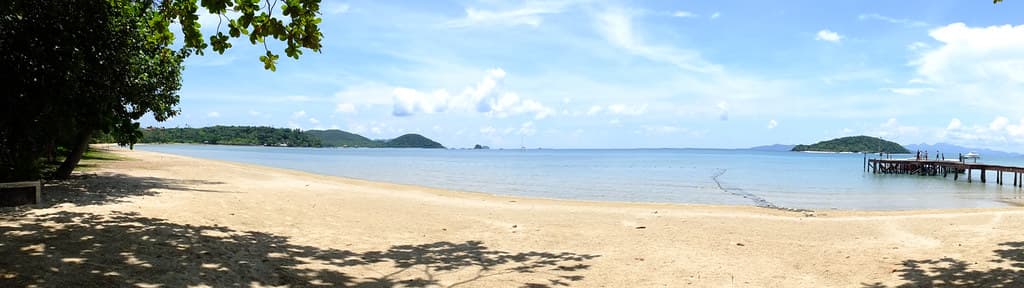
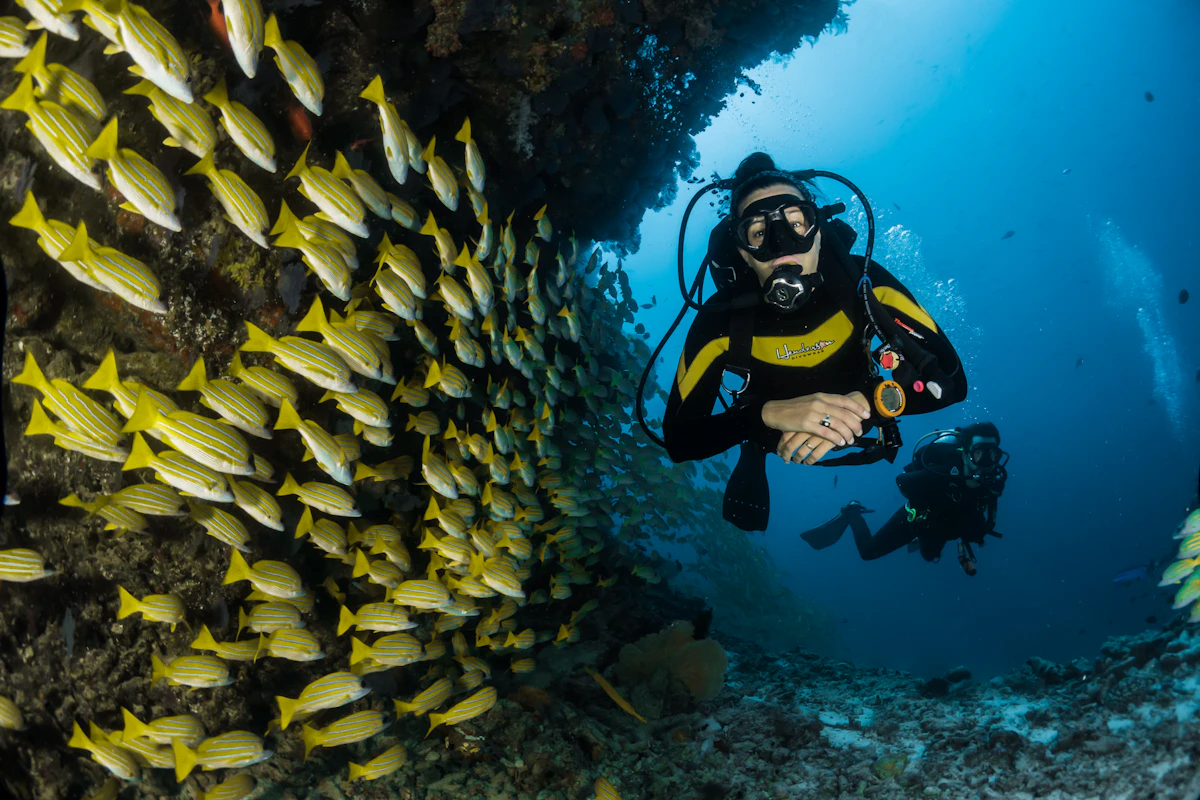
The longtail journey from Ko Mak's southeastern pier takes forty minutes through open water, the boatman throttling back only when the seafloor shifts from murky green to electric turquoise. Koh Rayang Nok rises ahead—more sandbank than island, fringed with coconut palms that survived the last typhoon and leaning slightly landward as proof. The beach wraps the northern shore in powdered white sand composed primarily of pulverized coral, so fine it squeaks when compressed underfoot. You'll snorkel straight from shore, no boat required. Wade out fifteen meters and the bottom drops into gardens of staghorn and table coral, their branches sheltering parrotfish, butterflyfish, and the occasional blue-spotted ray resting in sand patches. The water holds that improbable turquoise particular to shallow seas over pale sand—a color that exists somewhere between swimming pool and Photoshop, except this version shifts with every cloud and requires no filter. Visibility stretches twenty meters on calm days. Day-trippers claim the beach between ten and three, snorkeling then sprawling under rented umbrellas with Som Tum and Chang beer hauled over in coolers. The single shack-restaurant operates on island time, serving grilled fish and fried rice when supplies last. By four o'clock the longtails ferry everyone back to Ko Mak, returning Koh Rayang Nok to the sea eagles and ghost crabs.
Places, rentals, tours and events within walking and driving distance of Koh Rayang Nok Beach.
Photos
Swimming at Koh Rayang Nok is generally safe during the November-to-April dry season, when waters are calm and visibility is excellent. The turquoise water and white sand create inviting conditions, though no lifeguards are present. Swimmers should be cautious of coral areas near the shore and watch for boat traffic from day-trippers. The beach's exposed position can occasionally experience stronger currents, so stay close to shore if you're not a confident swimmer. Monsoon season (May-October) brings rough seas and reduced safety. Always assess conditions upon arrival and coordinate with your boat operator before swimming.
November through March represents the ideal visiting period, with calm seas, minimal rainfall, and stunning underwater visibility for snorkeling. December through February offer the most consistent weather, though these peak months can bring more tour groups. April is still viable but brings higher temperatures and occasional afternoon showers. The May-to-October monsoon season should be avoided, as heavy rains and rough seas make boat access difficult or impossible. For the best experience with fewer crowds, visit on weekday mornings. Early and late dry season (November, March) often provide excellent conditions with reduced tourist numbers.
Koh Rayang Nok is accessible only by boat, most commonly as part of snorkeling or island-hopping tours departing from Koh Mak, Koh Kut, or Koh Chang. Day-trip packages often combine this island with other nearby destinations. Private longtail boat charters can be arranged through resorts or tour operators on these main islands for greater flexibility. Journey time varies from 15-40 minutes depending on your departure point, with Koh Mak being closest. No regular ferry service exists to this small island. Booking through your accommodation or a reputable tour company is essential, particularly during high season when spaces fill quickly.
Koh Rayang Nok is a tiny, uninhabited island with absolutely no facilities—no restaurants, shops, shelters, or lodging. All visitors must bring complete provisions including food, water, sunscreen, and any snorkeling equipment not provided by their tour. Most organized day tours include lunch, fruit, and beverages as standard. If chartering a private boat, pack a comprehensive cooler with meals and ample drinking water. The nearest accommodations and dining are on Koh Mak, Koh Kut, or Koh Chang, requiring a boat return journey. Treat Koh Rayang Nok strictly as a day-visit destination.
Koh Rayang Nok is renowned for its exceptional white-sand beach and remarkably turquoise water that rivals Thailand's most famous islands. The contrast between pristine sand, vivid blue water, and lush jungle creates postcard-perfect scenery. Its snorkeling is particularly outstanding, with healthy coral reefs close to shore hosting abundant tropical fish, making it a favorite among underwater enthusiasts. The island's tiny size and relative remoteness mean it receives fewer visitors than beaches on larger islands, often providing a private-island atmosphere. Its proximity to Koh Mak makes it an accessible yet undeveloped gem, perfect for those seeking untouched natural beauty.