Counting the waves…
Counting the waves…
A refined fusion of water purity, environmental stability, and communal vibrancy for Clam Gulch Beach.
View MethodologyAnalyzed via live sensors and environmental data.
Wave height, wind, and atmospheric stability.
Live footfall and crowd balance metrics.
Community reviews and curated sentiment.
“At low tide, you crouch beside families wielding clamming guns, scanning the sand for dimples that betray razor clams six inches down. The wind off Cook Inlet smells of salt and kelp, while Mount Redoubt's snowy cone…”
Limited recent visitor reports — live OBI telemetry is your best guide for current conditions.
Clam Gulch Beach stretches for miles along the Kenai Peninsula's western shore, a working beach where Alaskans have dug razor clams for generations. You arrive at low tide—essential, non-negotiable—when the retreating Cook Inlet exposes vast mud flats stippled with clam shows: those telltale depressions that mark your quarry. Armed with a clam shovel or specialized tube, you work fast before the tide returns, plunging the tool into the dense, dark sand and extracting razor clams with shells up to six inches long.
The beach itself offers little in the way of sunbathing or swimming—the water hovers in the low fifties even in summer, and the inlet's extreme tides and mudflats make it treacherous. Instead, you come for the satisfaction of harvesting your own meal, for the thrill of filling a bucket while bald eagles soar overhead and the wind whips spray off the whitecaps. Children sprint between digging spots, their laughter carrying across the flats.
 Credit: Unsplash
green trees on brown sand under blue sky during daytime
 Credit: Unsplash
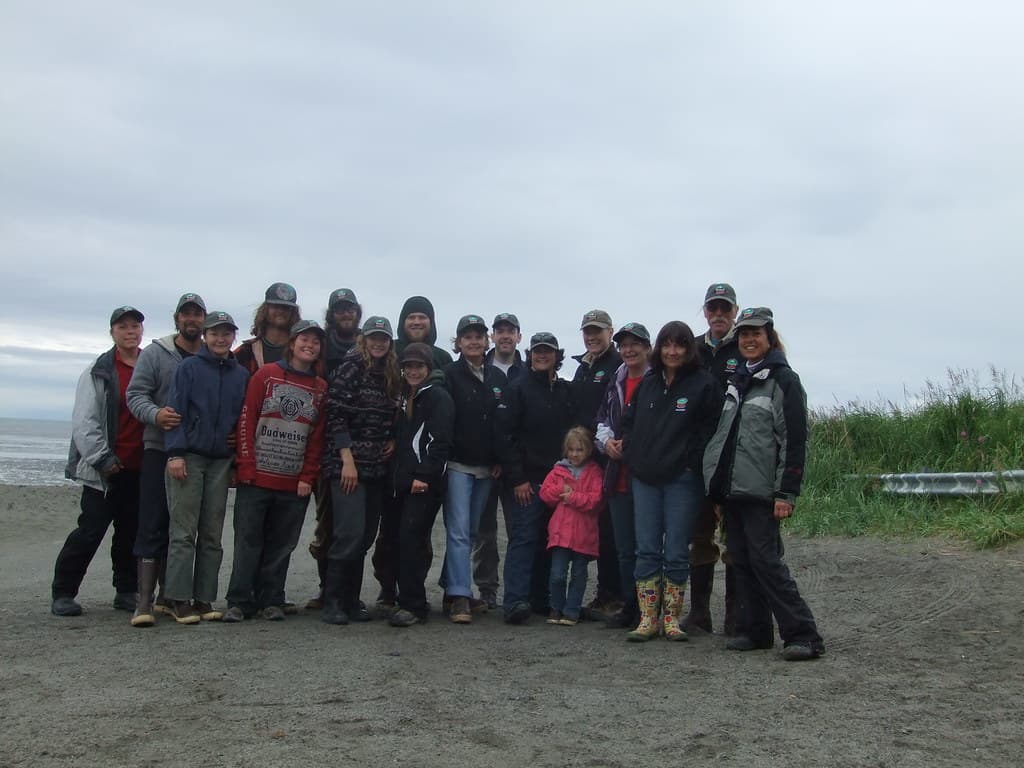
a group of people on a beach
Low tide only, license required
Miles of exposed volcanic sand
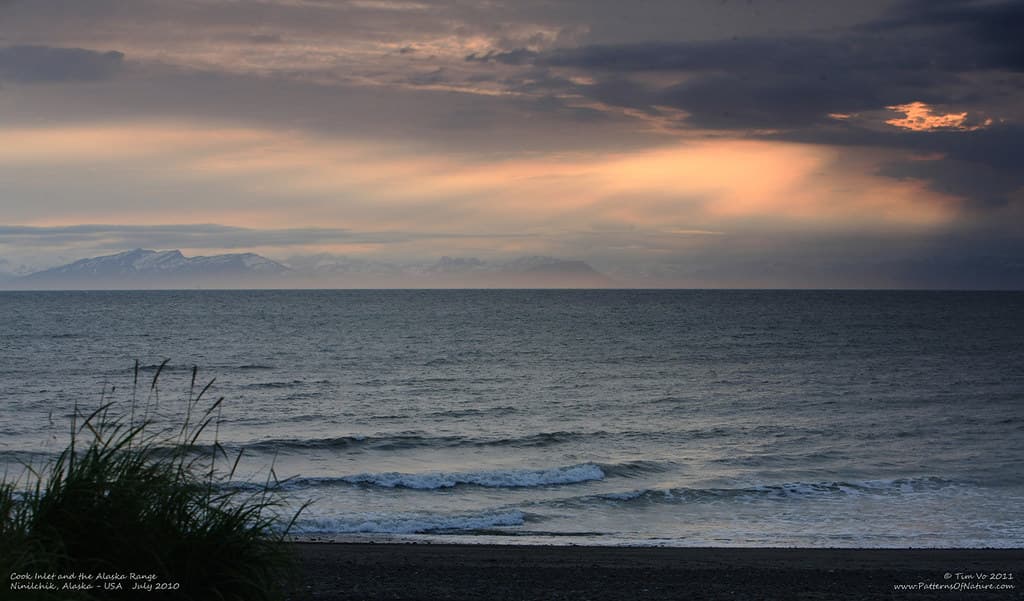
Redoubt and Iliamna across inlet
Where it is
Clam Gulch Beach
Clam Gulch, Alaska, USA
60.232800°, -151.390600°
Weather
Loading…
Swell
—
Temp
Warm · Restorative
UV Index
Moderate
Wind
—
Tidal State
Last known
Max Sunlight
—
Ideal Shade
—
May - Sep (Peak)
Jan - Dec (Off-season)
Historical data suggests peak visibility and stable sea temperatures occur during the prime visitation window.
Select a category to load nearby places.
Unlock restaurants, luxury stays and curated maritime experiences within 2km
Swimming is not recommended at Clam Gulch Beach due to extremely cold water temperatures year-round, typically ranging from 35-55°F. The beach experiences strong currents, significant tidal fluctuations, and unpredictable waves that create dangerous conditions. The primary activities here are clamming, beachcombing, and wildlife viewing rather than water recreation. If you venture near the water, always be aware of incoming tides and maintain a safe distance from the surf. Dress in layers and bring warm clothing, as coastal winds can be intense even during summer months.
The best clamming occurs during summer months from May through September, with peak season in June and July when razor clams are most abundant. Successful clamming requires minus tides (low tides below mean sea level), which expose more beach area. Check local tide charts and aim for tides of -2 feet or lower. You'll need an Alaska sport fishing license to harvest clams. Winter visits offer scenic beauty and solitude, but conditions are harsh with limited daylight, freezing temperatures, and icy roads making access challenging for most visitors.
Clam Gulch Beach is located along the Sterling Highway (Alaska Route 1), approximately 95 miles south of Anchorage and 24 miles south of Soldotna on the Kenai Peninsula. Watch for the Clam Gulch State Recreation Area sign on the highway. A parking area is available near the beach access point. The beach requires descending a steep bluff via trails or stairs, which can be slippery when wet. The drive from Anchorage takes roughly 2-2.5 hours. Ensure your vehicle is suitable for potentially rough coastal access roads.
Clam Gulch is a small, rural community with very limited amenities. The Clam Gulch State Recreation Area offers basic facilities including restrooms and a camping area with sites available seasonally. There are no restaurants or hotels directly at the beach. The nearest services, including grocery stores, gas stations, and dining options, are in Soldotna (24 miles north) or Ninilchik (11 miles south). Plan accordingly by bringing food, water, and supplies. Several visitors opt for camping or staying in nearby towns while making day trips to the beach.
Essential clamming gear includes a clam shovel or narrow-bladed spade designed specifically for digging razor clams, a bucket or mesh bag for your catch, and rubber boots or waders as you'll be working in wet sand and surf. Bring warm, waterproof clothing and gloves since conditions can be cold and windy. You must have a valid Alaska sport fishing license, which can be purchased online or at local vendors. A headlamp is useful for early morning or evening tides. Many clammers also bring a small cooler with ice to keep their catch fresh.
Photos