Counting the waves…
Counting the waves…
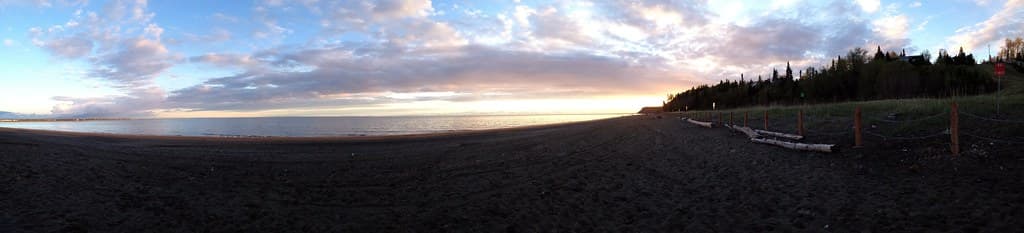
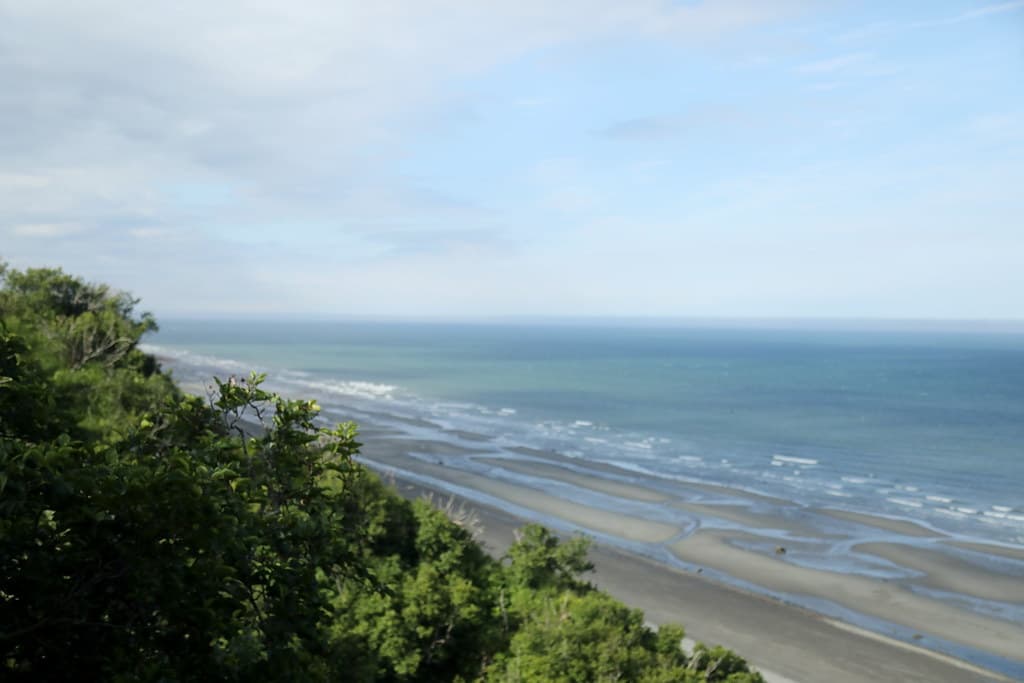
The beach at Kasilof doesn't coddle. Wind whips off Cook Inlet carrying the scent of kelp and cold Pacific water, while Mount Redoubt's cone rises across the gray-blue expanse. Families arrive with buckets and clam guns during minus tides, crouching in the sand as incoming waves erase footprints within minutes. Bald eagles perch on bleached logs the size of small cars, eyeing the surf for salmon. This stretch of coastline runs for miles without interruption—no umbrellas, no lifeguard stands, just unbroken sand punctuated by driftwood monuments that shift with every storm. The water stays cold year-round, fed by glacial runoff that clouds the surf in shades of pewter. Summer brings endless daylight and wildflowers blooming behind the beach grass; winter transforms the shore into a study in monochrome, where fresh snow meets dark sand. You'll share the beach with more birds than people most days. Sandpipers race the tide line while gulls announce each wave. Bring layers—the temperature can drop fifteen degrees when clouds roll in from the inlet—and prepare to dig if you're after razor clams. The beach gives generously to those willing to work for it, whether that's bending low for shells or simply standing still long enough to watch a fishing boat disappear toward the horizon.
Places, rentals, tours and events within walking and driving distance of Kasilof Beach.
Photos
Swimming at Kasilof Beach is generally not recommended due to extremely cold water temperatures year-round, typically ranging from 35-55°F. The waters of Cook Inlet also feature strong currents, substantial tides with fluctuations up to 25 feet, and occasional riptides. Most visitors wade in shallow areas during low tide or enjoy beachcombing instead. If you do enter the water, wear appropriate cold-water gear, never go alone, and always check tide schedules. The beach is excellent for beach activities like clamming, walking, and wildlife viewing rather than traditional swimming.
Kasilof Beach is accessible year-round, but summer months (June-August) offer the most comfortable weather with temperatures ranging from 50-65°F and up to 19 hours of daylight. This is prime time for razor clamming, fishing, and beachcombing. Spring and fall provide excellent opportunities for spotting migrating birds and whales. Winter visits reward hardy travelers with potential northern lights viewing and serene, snow-covered landscapes, though temperatures drop to 10-30°F. Regardless of season, dress in layers and bring wind-resistant clothing, as coastal breezes can be strong.
Kasilof Beach is located approximately 15 miles south of Soldotna along the Sterling Highway. From Anchorage, it's about a 2.5-hour drive (135 miles) south on the Seward Highway, then the Sterling Highway. Turn west onto Cohoe Loop Road, then follow signs to the Kasilof River State Recreation Site or Johnson Lake State Recreation Area, both offering beach access. Free parking is available at these recreation areas. The beach itself features multiple access points along the coastline. Roads are paved and well-maintained, though winter driving requires caution.
Kasilof is a small rural community with limited dining options, though you'll find a few local cafes and general stores for basic supplies. Most visitors stock up on groceries and meals in nearby Soldotna (15 miles north), which has supermarkets, restaurants, and gas stations. Lodging options near Kasilof Beach include local vacation rentals, cabins, and RV parks. The Kasilof River State Recreation Site offers basic facilities including vault toilets and picnic areas. For more extensive amenities, hotels, and services, plan to stay in Soldotna or Kenai.
Yes, Kasilof Beach is one of Alaska's premier razor clamming destinations. Clamming is best during minus tides from late spring through early fall, though it's possible year-round. You'll need an Alaska sport fishing license (available online or at local vendors) and basic equipment: a clam shovel or tube, bucket, and boots. Limits are typically 60 clams per person daily. Dig during low tide periods, which occur roughly two hours before and after the lowest tide. Check Alaska Department of Fish and Game for current regulations, season dates, and shellfish safety advisories before harvesting.