
Counting the waves…
Counting the waves…
A refined fusion of water purity, environmental stability, and communal vibrancy for Kotzebue Beach.
View MethodologyAnalyzed via live sensors and environmental data.
Wave height, wind, and atmospheric stability.
Live footfall and crowd balance metrics.
Community reviews and curated sentiment.
“The wind carries salt and stories across Kotzebue's gravel beach, where beluga whales breach offshore and the midnight sun refuses to set for weeks. You'll taste the Arctic on your lips—cold, mineral-rich air mingling…”
Limited recent visitor reports — live OBI telemetry is your best guide for current conditions.
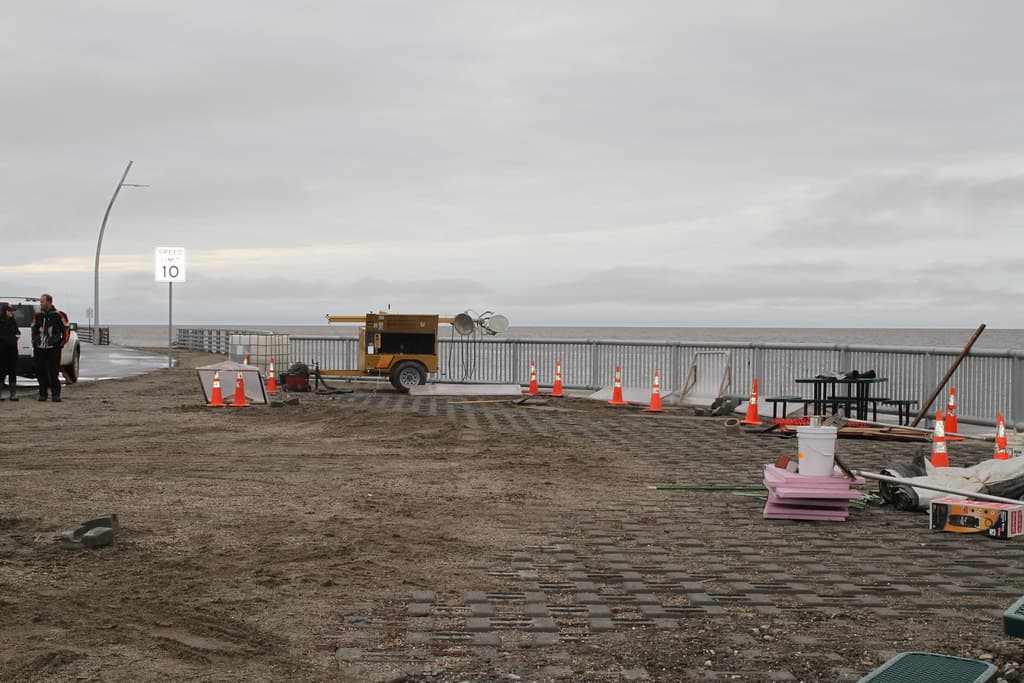
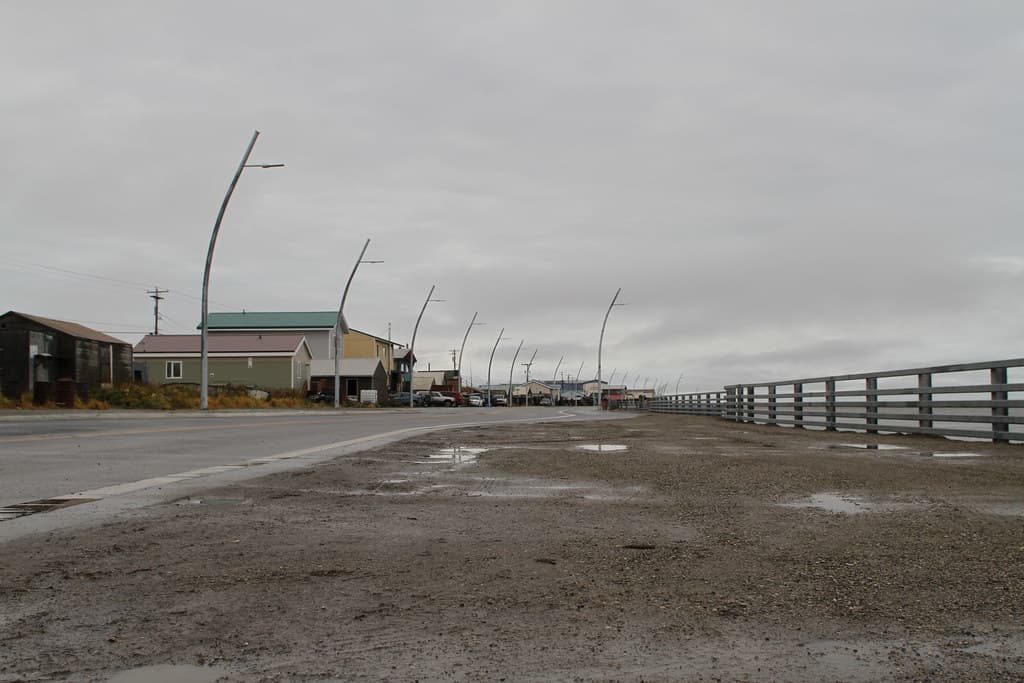
You arrive by air—there are no roads connecting Kotzebue to the rest of Alaska—and step onto a beach where the shoreline stretches flat and unadorned beneath an enormous sky. The gravel crunches under your boots as you walk toward water so cold it numbs your fingertips in seconds, even in July. Driftwood logs, bleached silver by sun and salt, lie scattered like ancient bones along the tideline, deposited by currents that flow from Siberia across the Chukchi Sea.
This is Iñupiat country, home to one of the oldest continuously inhabited communities in North America. You'll see fishing nets drying on racks, boats pulled up against the wind, and locals checking subsistence catches of salmon and herring. In winter, the sea freezes into a white expanse stretching to the horizon; in summer, chunks of pack ice float past like slow-moving sculptures, their blue-white faces catching the light.
Credit: FlickrPhotograph Pack Ice
Credit: FlickrTundra Shore Walk
Blue-white floes drift offshore
Gravel beach meets permafrost
Sun circles horizon all night
Where it is
Kotzebue Beach
Kotzebue, Alaska, USA
66.897900°, -162.596600°
Weather
Loading…
Swell
—
Temp
Warm · Restorative
UV Index
Moderate
Wind
—
Tidal State
Last known
Max Sunlight
—
Ideal Shade
—
May - Sep (Peak)
Jan - Dec (Off-season)
Historical data suggests peak visibility and stable sea temperatures occur during the prime visitation window.
Select a category to load nearby places.
Unlock restaurants, luxury stays and curated maritime experiences within 2km
Swimming at Kotzebue Beach is generally not recommended and rarely practiced. The Chukchi Sea waters remain extremely cold year-round, typically between 32-45°F even in summer, posing serious hypothermia risks. The beach is primarily used for walking, wildlife viewing, and cultural activities rather than recreation. Strong currents and ice flows can also create hazardous conditions. Visitors should dress warmly in layers and stay on shore. The beach's significance lies more in its Arctic landscape and cultural importance to the Iñupiat community than as a swimming destination.
June through August offers the most accessible conditions for visiting Kotzebue Beach, with 24-hour daylight and temperatures ranging from 45-65°F. However, the beach has unique appeal year-round. Winter (November-March) brings the Northern Lights and frozen seascapes, though extreme cold and darkness require proper preparation. Spring (April-May) offers wildlife migration viewing, while fall (September-October) provides autumn colors and chances to see the ocean begin to freeze. Weather is unpredictable in all seasons, so pack layers and waterproof gear regardless of when you visit.
Kotzebue is accessible only by air, with Alaska Airlines operating daily flights from Anchorage (approximately 90 minutes). There are no roads connecting Kotzebue to other communities. Once in town, the beach is easily walkable from most locations, as Kotzebue is small and compact. Rental vehicles are limited but available from local providers if needed. Parking isn't typically an issue given the town's size. Most visitors arrange transportation through their hotel or tour operator. Many tour packages include ground transportation as part of Arctic cultural experiences.
Kotzebue has limited but adequate visitor services. Lodging options include the Nullagvik Hotel, the main full-service accommodation with a restaurant, and a few smaller lodges. Dining is limited to hotel restaurants, a pizza place, and small cafes serving American fare and occasional local specialties. There's a grocery store for supplies, though prices are high due to remote location. The beach itself has no facilities, so come prepared. Book accommodations well in advance, especially during summer. Many visitors come on organized cultural tours that include meals and lodging packages.
While polar bears do occasionally appear near Kotzebue, sightings at the beach are uncommon and unpredictable. The town sits on the edge of polar bear territory, and bears are more frequently spotted on sea ice or during certain migration periods, particularly fall and spring. If bears are in the area, local authorities issue warnings. Never approach polar bears—they're dangerous and encounters should only occur from safe distances with experienced guides. For more reliable polar bear viewing, consider organized wildlife tours. The beach is better known for seals, seabirds, and beluga whales seasonally.
Photos