
Stand on the dark gravel and you're perched on the tip of a spit that juts into the Chukchi Sea like a finger pointing toward Siberia. Point Hope Beach isn't groomed or soft—it's a scatter of basalt cobbles, driftwood logs bleached bone-white, and the occasional vertebra from a bowhead whale. The air smells of brine and tundra grass, and in summer the midnight sun hangs low, casting amber light across pack ice that drifts past in slow procession. Snowy owls sometimes perch on the bluffs; Arctic terns dive for sculpin in the shallows.
“You're standing on one of the oldest continuously inhabited Arctic coastal sites in North America, where subsistence whaling culture remains vibrantly alive.”
 Credit: Flickr
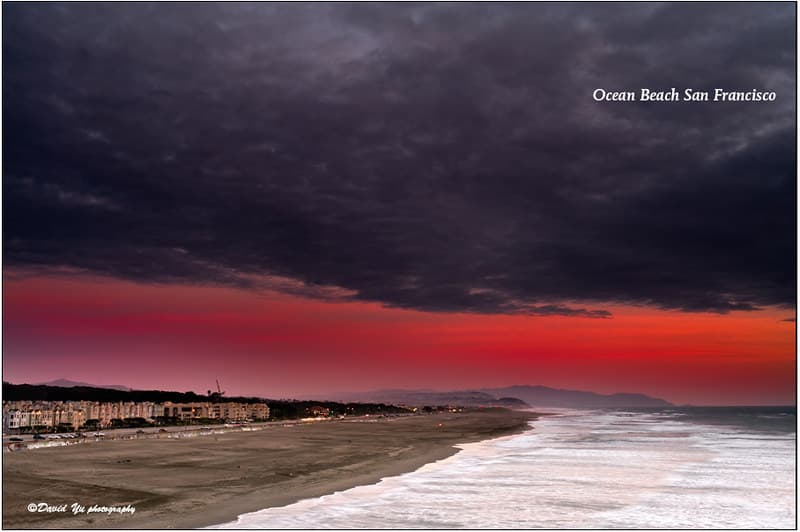
Ocean Beach San Francisco
This is one of the oldest continuously inhabited sites in North America. The Iñupiaq people have called Tikigaq home for more than 2,500 years, and you'll see their heritage in the whalebone arches that frame the village, in the skin boats pulled onto the beach, in the racks of drying seal meat. Respect the land—this isn't a place to wander freely. Ask permission before photographing, and understand that subsistence hunting seasons shape the rhythm of life here.
Visit during spring whaling season or the long summer days when wildflowers dot the tundra and you can walk the beach under a sun that never sets. Dress for wind. Expect solitude. Pack binoculars for walrus hauled out on distant ice floes. Point Hope Beach doesn't comfort—it confronts you with the North in its most elemental form.


