Counting the waves…
Counting the waves…
A refined fusion of water purity, environmental stability, and communal vibrancy for El Matador Beach.
View MethodologyAnalyzed via live sensors and environmental data.
Wave height, wind, and atmospheric stability.
Live footfall and crowd balance metrics.
Community reviews and curated sentiment.
“You descend a wooden staircase clinging to the bluff—148 steps through chaparral and sage—and emerge onto sand the color of burnt sienna. Sea caves puncture the cliffs; waves hiss through rock arches; pelicans skim the…”
Limited recent visitor reports — live OBI telemetry is your best guide for current conditions.
The beach reveals itself in stages. First, the parking lot—a small dirt pullout on Pacific Coast Highway where you leave your car among the succulents. Then the staircase, steep enough that your thighs will remember it, switchbacking down the sedimentary cliff face. Finally, the sand: a crescent maybe two hundred feet wide at low tide, hemmed by boulders the size of delivery trucks and those iconic sea stacks that every Instagram algorithm seems to know by heart.
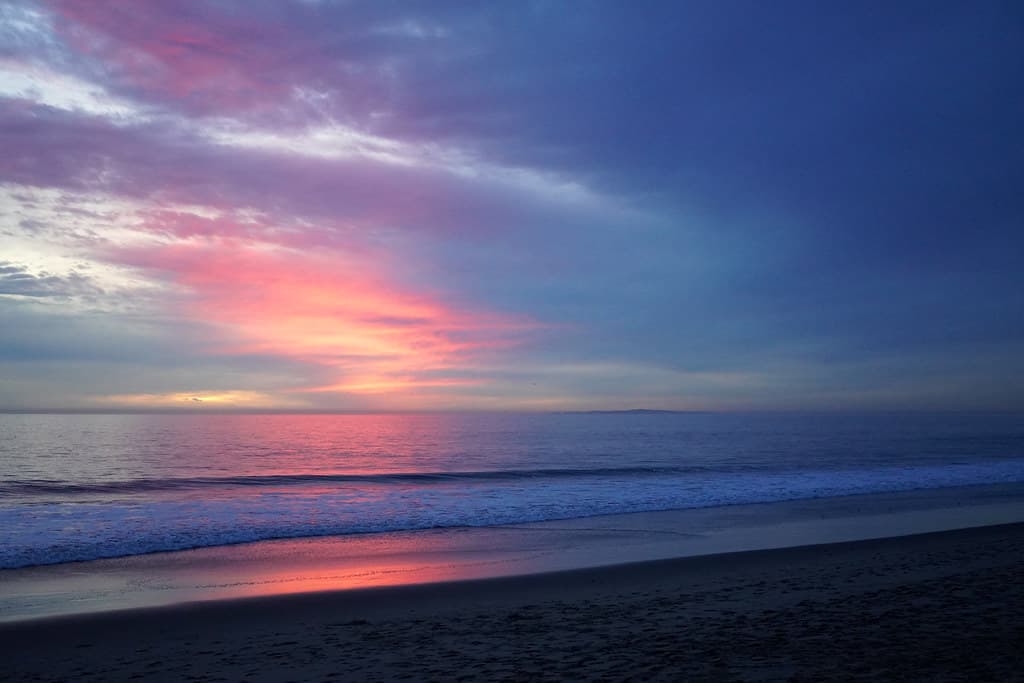
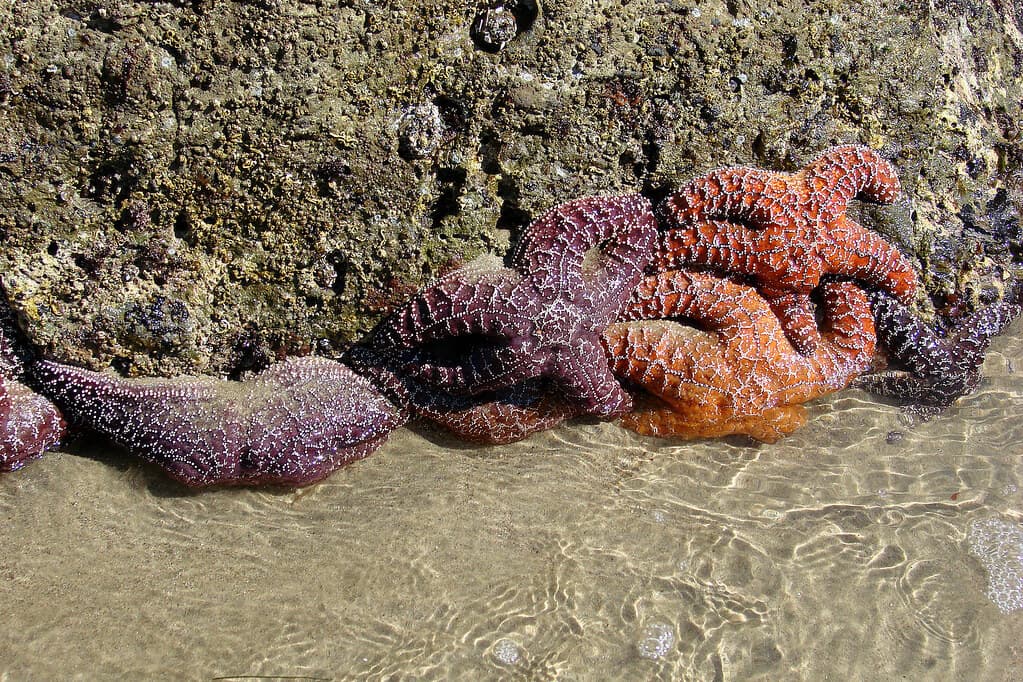
You'll share the cove with tide pools harboring purple urchins and ochre stars, and with photographers timing the golden hour when the sun drops behind the rocks and sets the whole scene ablaze in apricot light. The caves are shallow but photogenic; the sand is coarse, mixed with pebbles. Bring water—there are no facilities down here, no snack shack, no restroom. Just raw coastline doing what it's done for millennia.
 Credit: Unsplash
an aerial view of a beach with houses on it
 Credit: Unsplash
aerial photography of houses near beach
Golden hour through rock arches
Low tide reveals hidden alcoves
Anemones cling to granite boulders
Where it is
El Matador Beach
Malibu, California, USA
34.040000°, -118.874000°
Weather
Loading…
Swell
—
Temp
Warm · Restorative
UV Index
Moderate
Wind
—
Tidal State
Last known
Max Sunlight
—
Ideal Shade
—
May - Sep (Peak)
Jan - Dec (Off-season)
Historical data suggests peak visibility and stable sea temperatures occur during the prime visitation window.
Select a category to load nearby places.
Unlock restaurants, luxury stays and curated maritime experiences within 2km
Swimming at El Matador Beach can be dangerous and is generally not recommended. The beach has strong currents, unpredictable waves, and rocky formations both visible and submerged. There are no lifeguards on duty. The beach is better suited for photography, tide pooling, and scenic walks rather than swimming. If you do enter the water, stay close to shore, never turn your back on the ocean, and be extremely cautious. Many visitors choose to enjoy the stunning rock formations and caves from the sand instead.
El Matador Beach is beautiful year-round, but late afternoon and sunset offer the most dramatic lighting for photography. Summer months (June-August) bring warmer weather but larger crowds and higher parking demand. Spring and fall provide comfortable temperatures with fewer visitors. Winter can offer stunning storm-watching opportunities and the most solitude. Arrive at least 1-2 hours before sunset to secure parking and explore the beach. Low tide is ideal for accessing sea caves and rock formations safely. Check tide tables before your visit for the best experience.
El Matador Beach is located on Pacific Coast Highway (PCH) in Malibu, about 30 miles northwest of Santa Monica. There's a small parking lot at 32350 Pacific Coast Highway with approximately 20-30 spaces. Parking costs around $10-14 per vehicle and fills quickly, especially on weekends and during sunset hours. Arrive early or visit on weekdays for better availability. From the parking area, you'll descend a steep staircase (about 150 steps) to reach the beach below. The climb back up can be strenuous.
El Matador Beach has minimal amenities—just a portable restroom in the parking lot. There are no food vendors, showers, or other facilities at the beach itself. The nearest restaurants and shops are several miles away along Pacific Coast Highway in either direction. Nearby options include Malibu Farm Pier Café and various seafood restaurants in central Malibu. It's best to bring your own food, water, and supplies. The closest hotels are in Malibu proper, about 10-15 minutes away, with options ranging from boutique properties to major chains.
Yes, you can explore the sea caves and dramatic rock arches at El Matador Beach, but timing and caution are essential. Visit during low tide when more of the beach is exposed and caves are accessible. High tide can trap visitors against cliffs or inside caves. The rocks can be slippery, so wear sturdy shoes with good traction. Always watch for incoming waves, as sneaker waves are common. Check tide tables before your visit and never turn your back on the ocean while exploring these formations.
Photos